
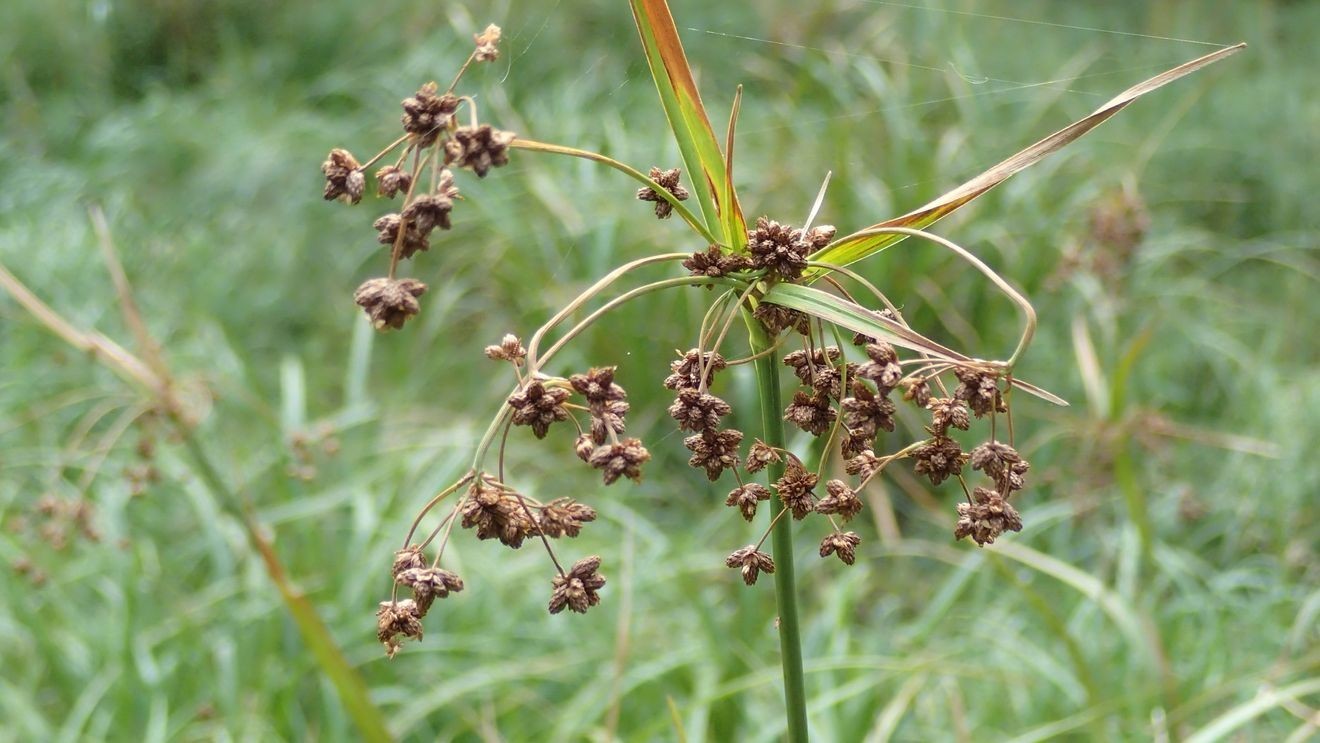
A rare wetland plant once considered endangered has recovered enough to be removed from federal protections, according to the U.S. Fish and Wildlife Service.
The agency announced it is delisting the northeastern bulrush, a perennial wetland plant that was first listed as endangered under the Endangered Species Act in 1991.
When the plant was originally protected, only 13 known populations existed across six states. Today, biologists have documented 148 populations in eight states, including Pennsylvania, representing more than an elevenfold increase.
The Fish and Wildlife Service said the decision was based on the best available scientific data and reflects decades of conservation work by federal agencies, state officials and environmental partners.
“Our partners were instrumental in this recovery success story,” said U.S. Fish and Wildlife Service Director Brian Nesvik. “The delisting of the northeastern bulrush demonstrates the value of cooperative conservation.”
Since 2017, the Fish and Wildlife Service has removed 40 species from the endangered species list because of successful recovery efforts.
In Pennsylvania, northeastern bulrush is typically found in wetlands such as vernal pools, seasonal wetlands, beaver ponds, sinkhole ponds and other shallow wet areas where water levels fluctuate throughout the year.
The species has been documented in several regions of the state, including:
The Pocono MountainsNortheastern PennsylvaniaSouth-central PennsylvaniaWetland complexes within the Ridge and Valley regionColumbia County’s Central Mountain area
One notable northeastern Pennsylvania location where the plant has been documented is Cherry Valley National Wildlife Refuge in Monroe County.
Conservation efforts included habitat protection, invasive species management, long-term monitoring and even the establishment of a new population in New York through propagation and transplantation efforts.
Scientists note the plant can be difficult to track because it does not always emerge above ground every year. During unfavorable environmental conditions, northeastern bulrush may remain dormant for years before reappearing when conditions improve.