
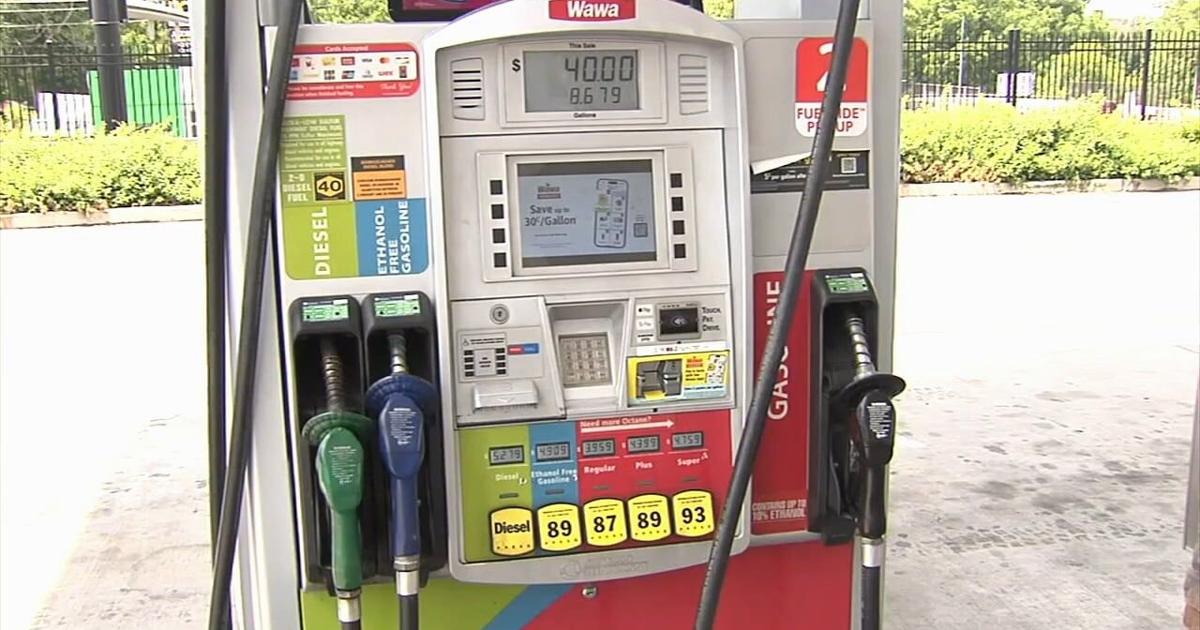
For Rebecca Panarello, the cost of filling up her gas tank has been a seesaw. From getting close to $5 just weeks ago to around $4 now.
“Every time I fill up, it’s almost $50 and I fill up at least two or three times a week, it’s crazy,” said Panarello.
It is not the only gas tank she is filling up. Panarello owns a cleaning company.
“I own a company, so I have vehicles out trying to manage that is tough,” said Panarello.
A wide range of prices leading to changes.
“We have to double up on teams now instead of having two vehicles out, we have to have one to save on gas prices and trying to count every penny,” said Panarello.
On and off fighting in Iran has had drivers wondering what is next at the pump.
Lehigh University supply chain management professor Zach Zacharia said crude oil, a key element of gas accounts for 50 percent of the cost. The price he said is determined by traders.
“Of course sometimes, you currently have this exchange of ammunition going on, but the long-term view kind of things, these are things traders have to do, 30, 60 days out. They’re pretty well sure that that is going to get resolved and so they’re going to keep the prices down,” said Zacharia.
Zacharia said anytime there is a supply chain disruption, companies look for a way around it.
“So, what’s really happening here with the Strait of Hormuz is that Saudi Arabia and UAE both are using their large overland kind of pipelines you know just to ship crude oil to get away from the Strait of Hormuz,” said Zacharia.
Panarello said she has been keeping a close eye on her company’s budget with fluctuating prices at the pump.
“It’s definitely exceeding that budget cause we’re all around the Lehigh Valley and surrounding areas and it’s rough,” said Panarello.
Zacharia said another contributor to prices dropping, is a decreased demand for gas ever since prices first went up.