
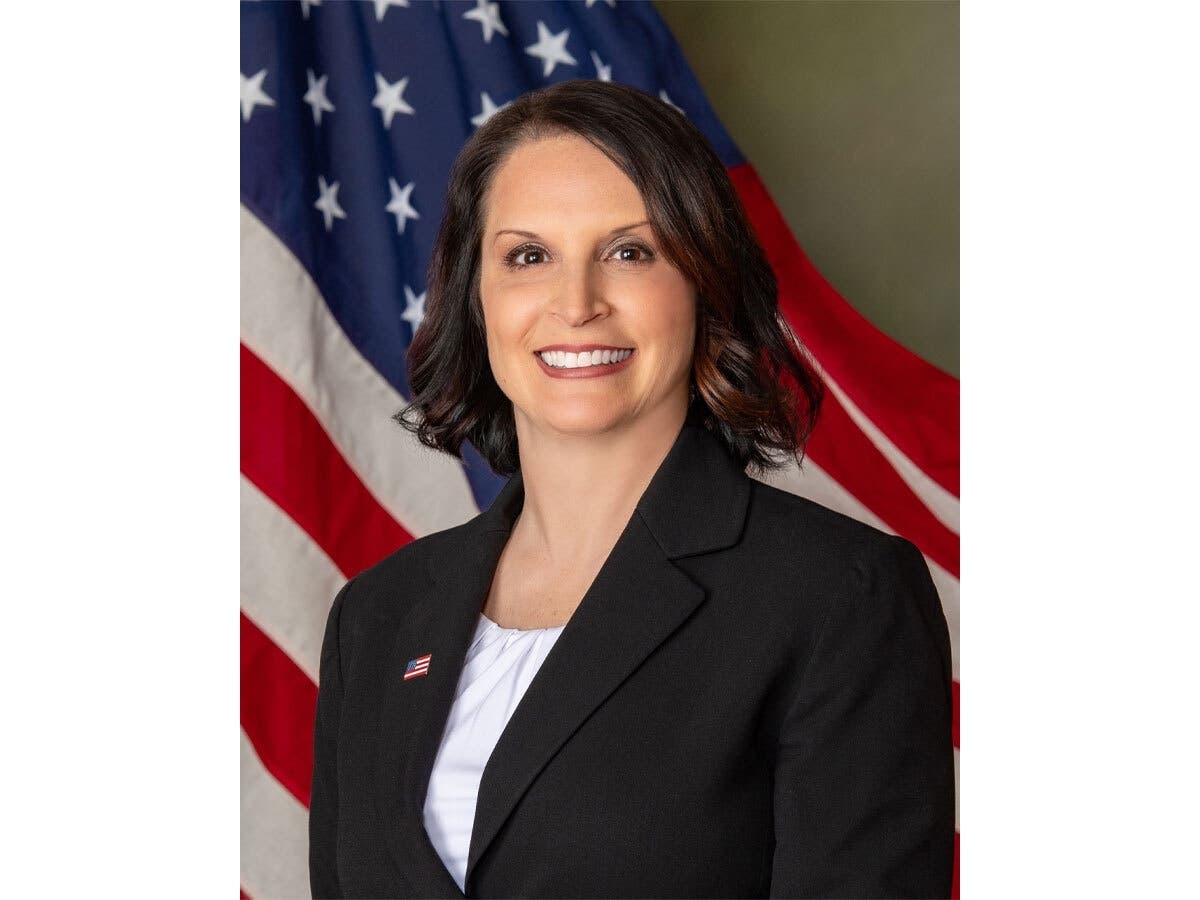
Candidates running in the Nov. 4 general election are providing background about themselves and their positions on the issues to voters in these profiles, which will run in Patch individually for each candidate.
BENSALEM TOWNSHIP, PA — Lee Schum is running for a seat on the Bensalem Township School Board in the Nov. 4 general election.
Schum, a Republican, is among eight candidates running for four, four-year terms on the nine-member school board.
The candidates are Republicans Marc Cohen, Sheldon Per, Abby Koss, and Lee Schum. They’re squaring off against Democrats Kate Pascucci, Leann Hart, Rachel Fingles, and Rodger Allen.
Biographical Information Name: Lee Schum Age: 47Town of Residence: Bensalem TownshipPosition sought: Bensalem Township School BoardAre you an incumbent? NoWhat Towns Does Your Position Cover? Bensalem TownshipParty Affiliation: RepublicanFamily: Husband, two boysEducation: B.A. in Public Relations, Penn State UniversityOccupation: Veterinary Pharmaceutical Sales Candidate Questions
1. How will the middle school debate impact the school board race?
The middle school debate is likely to have a significant impact on the school board race, as it touches on key issues that matter deeply to voters — fiscal responsibility, long-term planning, and educational quality.
2. What educational background do you bring to the position?
I bring an educational background in public relations, which has equipped me with strong communication, critical thinking, and stakeholder engagement skills. These are essential qualities for a school board director, especially when it comes to building trust, ensuring transparency, and fostering collaboration between the district and the community.
3. What are the biggest challenges to the school district in the future?
One of the biggest challenges our school district will face is balancing growth with sustainability. As we consider projects like the new middle school, we must weigh future enrollment trends carefully to ensure that our investments align with real needs.
Another key challenge is fiscal responsibility. Rising costs, potential shifts in funding at the state level, and competing priorities mean we must make smart, transparent decisions that keep the district financially healthy without compromising educational quality.
We’re also facing increasing pressure to deliver improved educational opportunities. That means addressing persistent learning gaps, supporting student mental health, retaining and attracting excellent educators, and ensuring that every school has access to technology and the resources needed for future student success.