
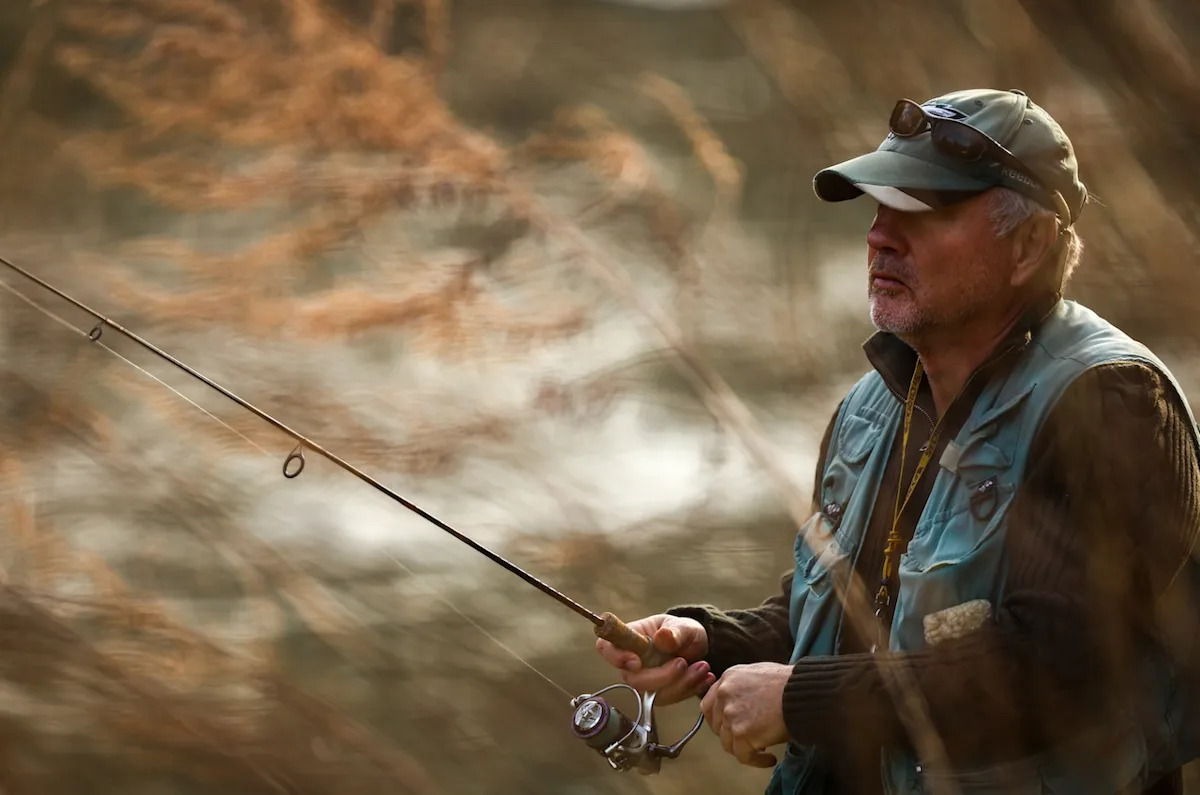
Pennsylvania anglers could soon see significant changes to fishing regulations, including a new 9-inch minimum size limit for trout and enhanced protections for native catfish species in the Ohio River Basin.
The Pennsylvania Fish and Boat Commission’s Fisheries Committee reviewed several proposed regulatory changes during a virtual meeting on June 3, setting the stage for formal votes at the quarterly commission meeting scheduled for July 27.
New 9-inch size limit proposed for trout
The most wide-reaching proposal would increase the minimum size for harvesting trout from 7 inches to 9 inches across commonwealth waters. According to Kris Kuhn, director of the commission’s Bureau of Fisheries, the change aims to protect wild brook trout populations while maintaining angling opportunities.
“Adopting a 9-inch minimum size limit for trout would provide additional protection from harvest to wild trout, especially wild brook trout, and it will not impact angler opportunity to harvest stock trout,” Kuhn said during the June meeting.
The proposal has strong support among Pennsylvania’s trout anglers. Data from the 2023 Pennsylvania Trout Angler Survey showed that 85% of all trout anglers supported an increase in the minimum size limit. Additionally, 60% of stocked trout anglers and 78% of wild trout anglers indicated it’s not important to keep some of the trout they catch.
Commission biological data reveals that less than 1% of wild brook trout captured during electrofishing surveys from 2015 through 2024 were greater than 9 inches in total length, meaning the regulation would essentially function as catch-and-release for this species. Meanwhile, all trout stocked by the Commission already exceed 9 inches, with 95% measuring greater than 11 inches.
If approved in July, the new creel limit for trout size would take effect Jan. 1, 2027, allowing time for the change to be incorporated into the 2027 fishing summary book.
Ohio River Basin catfish changes
In the Ohio River Basin, the commission is proposing significant regulatory changes for two native catfish species as part of conservation and restoration efforts.
“It’s important to remember here that blue catfish and flathead catfish are not native to the Atlantic Slope basins in Pennsylvania, including Lake Erie, Delaware River, Potomac River and Susquehanna River, and are considered highly invasive outside of their native range in the Ohio River Basin,” Kuhn said.
For blue catfish, which were extirpated from Pennsylvania’s portion of the Ohio River Basin in the early 1900s, the commission has been conducting a reintroduction program since 2022. The proposed regulation would implement catch-and-release only for the species.
“The regulation being proposed for blue catfish is catch and release or no harvest, with the intent being to maximize survival of reintroduced fish to improve the chances of establishing a natural reproducing population,” Kuhn explained.
The commission plans to stock approximately 100,000 yearling blue catfish annually over a 15-year period in the Lower Allegheny and Monongahela rivers.
For flathead catfish, also native to the Ohio River Basin, the commission is proposing a four-fish daily limit with only one fish measuring 35 inches or longer allowed. The regulation aims to protect trophy-sized fish while allowing some harvest of smaller specimens.
Commission research revealed surprising characteristics of flathead catfish populations in the three rivers region. Many collected fish were over 30 years old, with one individual estimated at 52 years old. The fish grow slowly, taking approximately 15 years to reach 24 inches and 30 years to reach 35 inches.
Currently, all catfish species are managed as panfish with a 50-fish daily limit and no size restrictions. The proposed changes would align Pennsylvania’s regulations with other Ohio River Basin states managing for trophy flathead catfish.
Setting standard for measuring fish
The commission also plans to formally define “total length” for measuring fish across Pennsylvania. The standardization is required by the Atlantic States Marine Fisheries Commission for measuring Atlantic striped bass. The Fish and Boat Commission is looking to apply the new standard to all fish, not just stripers.
“For this purpose, the total length is being defined as the greatest straight line length as measured on a fish while laid flat on its side with its mouth closed from the most forward tip of the jaw or snout to the farthest extent of the tail, with the upper and lower tail lobes compressed or squeezed together,” Kuhn said.
Additional agenda items include proposed additions to the commission’s Class A wild trout stream list and changes to the wild trout streams designation, with 12 new Class A sections and 56 wild trout stream sections proposed for addition.
For more information about these proposed regulation changes and opportunities for public comment, visit the Fish and Boat Commission’s website at pa.gov.
To learn more about the July 27 meeting and how to watch a livestream, visit this page on the commission’s website at pa.gov.
more outdoors news
Read the original article on lehighvalleylive.com. Add lehighvalleylive.com as a Preferred Source by clicking here.