
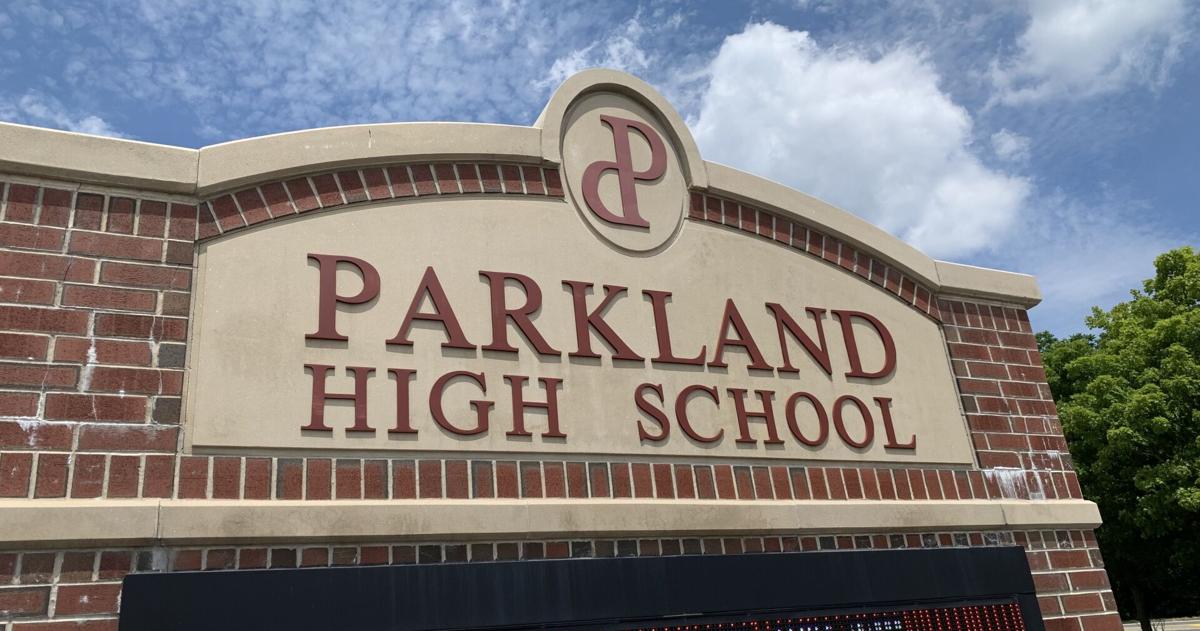
S. WHITEHALL TWP., Pa. – The Parkland School District Board of Directors on Tuesday night approved the 2026-27 general fund budget which includes a tax increase.
The $261.7 million spending plan features a $15.6 million deficit. To assist in reducing this deficit, the district has implemented a 3.5% tax increase on property owners. For a property assessed at $233,431, the tax bill would rise to $4,300, a $145.43 annual increase.
The 3.5% tax increase provides the district an additional $5.8 million, still leaving a $9.7 million deficit. The deficit will be covered by Parkland’s fund balance.
Parkland’s budget represents a 5.1% increase from the 2024-25 spending plan. Even with the tax hike, Parkland will need $5.5 million in fund balance to pay the remaining shortage. The district’s ending unassigned fund balance rests at $17.2 million.
Directors Tuesday night portrayed the district as a victim of unfair bureaucratic funding formulas. They instructed the public to blame the Commonwealth of Pennsylvania and the federal government for what they called “unfunded mandates.”
In addition to such mandates, Director Chris Pirrotta blamed charter schools, rising health insurance and utility rates for the district’s situation. As he was speaking, Pirrotta said he felt bad about this.
“I’m going to get emotional about it,” he said as his voice momentarily fluctuated. “I love our kids. I love our district. We do things really well. We have a great district.”
However, Parkland School District’s “great district” status will disappear without more cash, he suggested.
“If we don’t fix this problem, we’re insolvent in a few years,” Pirrotta said. “Hard decisions have to be made. There is no turning back.”
Financial transition plan
The district’s five-year budget outlook indicates sustained money problems. Parkland is operating in a “fundamental condition where operating costs are growing at a pace that outstrips recurring revenue,” according to a district budget presentation.
When examining the period starting with the 2026-27 school year and ending with the 2031-32 campaign, a compounding structural gap will produce a $14.4 million shortage by the final year. Even sustained tax increases during the five-year period will not address this $14.4 million fiscal shortage.
This precarious financial situation has spurred Parkland administrators to write a “financial transition plan.” In the immediate, the district can use fund balance to pay for the shortage. The administrators’ longer-term plan is constructed on “three pillars.” The first involves personnel restructuring and compensation. In this scenario, Parkland will utilize attrition, an early retirement incentive program, and a focus on contract negotiations.
The second pillar involves “capital and resource optimization.” This involves Parkland “deploying expenditure smoothing” strategies to prevent high-cost purchases from creating one-time budget spikes. Specifics include extending the lifecycle of technology hardware before replacement cycles, pacing major curriculum adoptions over multiple years, and continuously analyzing debt service obligations for refinancing and restructuring opportunities.
The final pillar realigns programming to consolidate overlapping or underutilized programs and then making the remaining programs more efficient.
The tax increase continues a Parkland School District trend. The 2025-26 spending plan featured a 4% tax increase. The 2024-25 budget included a 5% tax increase, while the 2023-24 budget raised taxes 2.5%.
Eli Lilly tax break request
The district rejected a state tax incentive program to benefit a major land development project.
The Local Economic Revitalization Tax Act (LERTA) would have benefited a proposed $3.5 billion pharmaceutical plant by Eli Lilly and Company in Upper Macungie Township. The project — the largest-ever Lehigh Valley economic development proposal — is slated for the Fogelsville Corporate Center located near Adams Road and Interstate 78.
Superintendent Mark Madsen issued a statement Tuesday night indicating there was “no viable way” the administration could endorse the economic tool. Madsen added the district is relegated to making “difficult financial choices…just to protect the core classroom experience.”
President David Hein echoed Madsen’s statement, saying the decision “reflects the financial realities currently facing our school district.”
The Commonwealth of Pennsylvania, through LERTA, allows taxing bodies to establish areas which are distressed or underutilized to provide tax incentives through local property tax abatements for new construction or improvements in designated revitalization zones. The LERTA encourages development by phasing in taxes on the increased improvement value over several years rather than the entire property. The span is typically 10 years with the abatement diminishing over time.
Administrator pay raises
The board approved salary increases for some administrators.
The pay hikes will go to qualifying administrators in the Act 93 group, Assistant Superintendent Timothy Chorones and executive/confidential assistants for the 2026-27 school year. The pay increase is 3.6%.