
Two bills moving through the Pennsylvania Legislature could reshape how the state supports its life sciences sector.
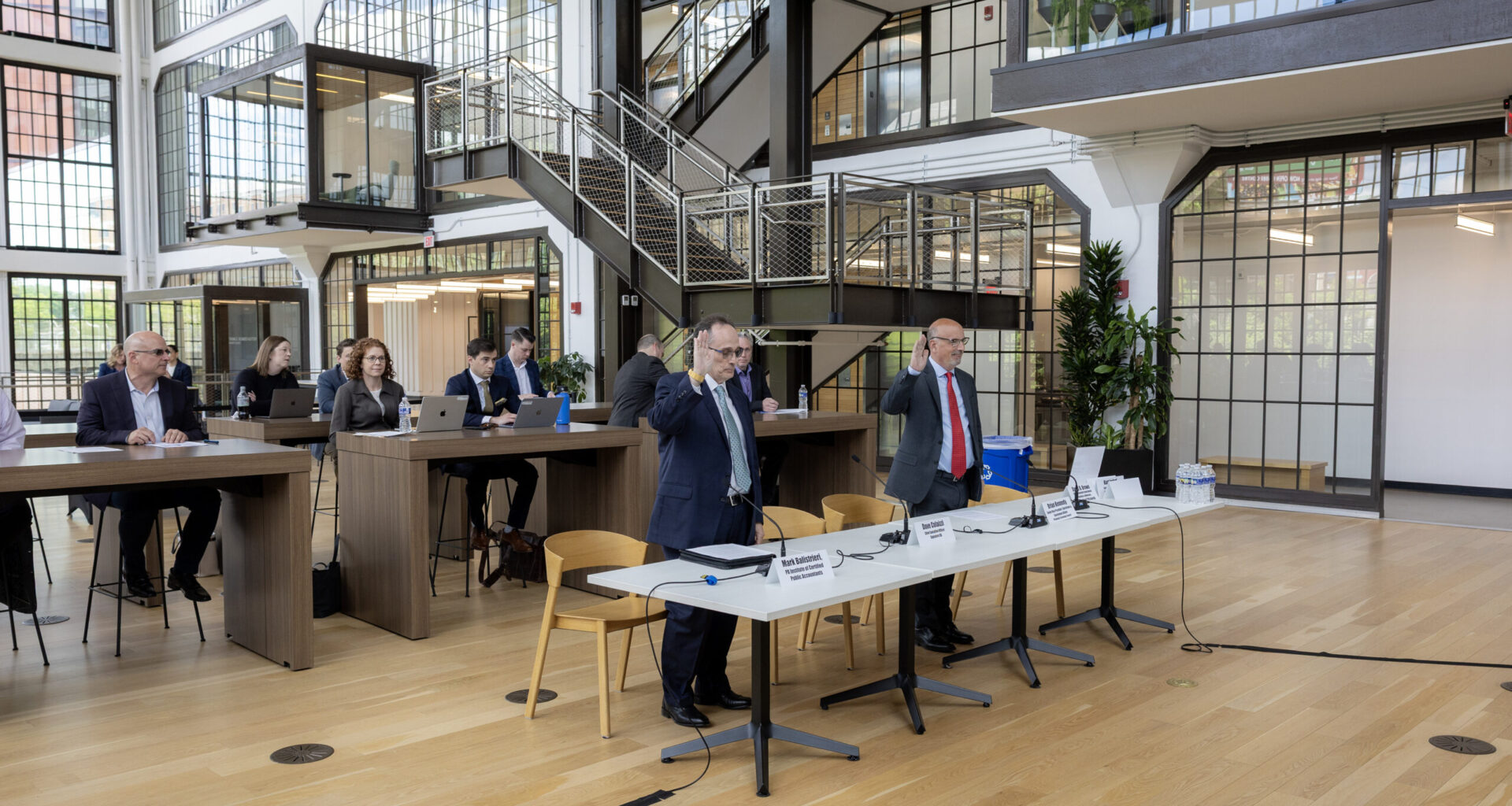
Executives from three Pittsburgh-based companies joined regional leaders from industry and economic development organizations to testify last month before the Pennsylvania Senate’s Institutional Sustainability and Innovation Committee.
Locals made the case for Senate Bill 792, which would expand the state’s research and development (R&D) tax credit program, and SB 811, which would create a state-funded match for federal Small Business Innovation Research (SBIR) grants.
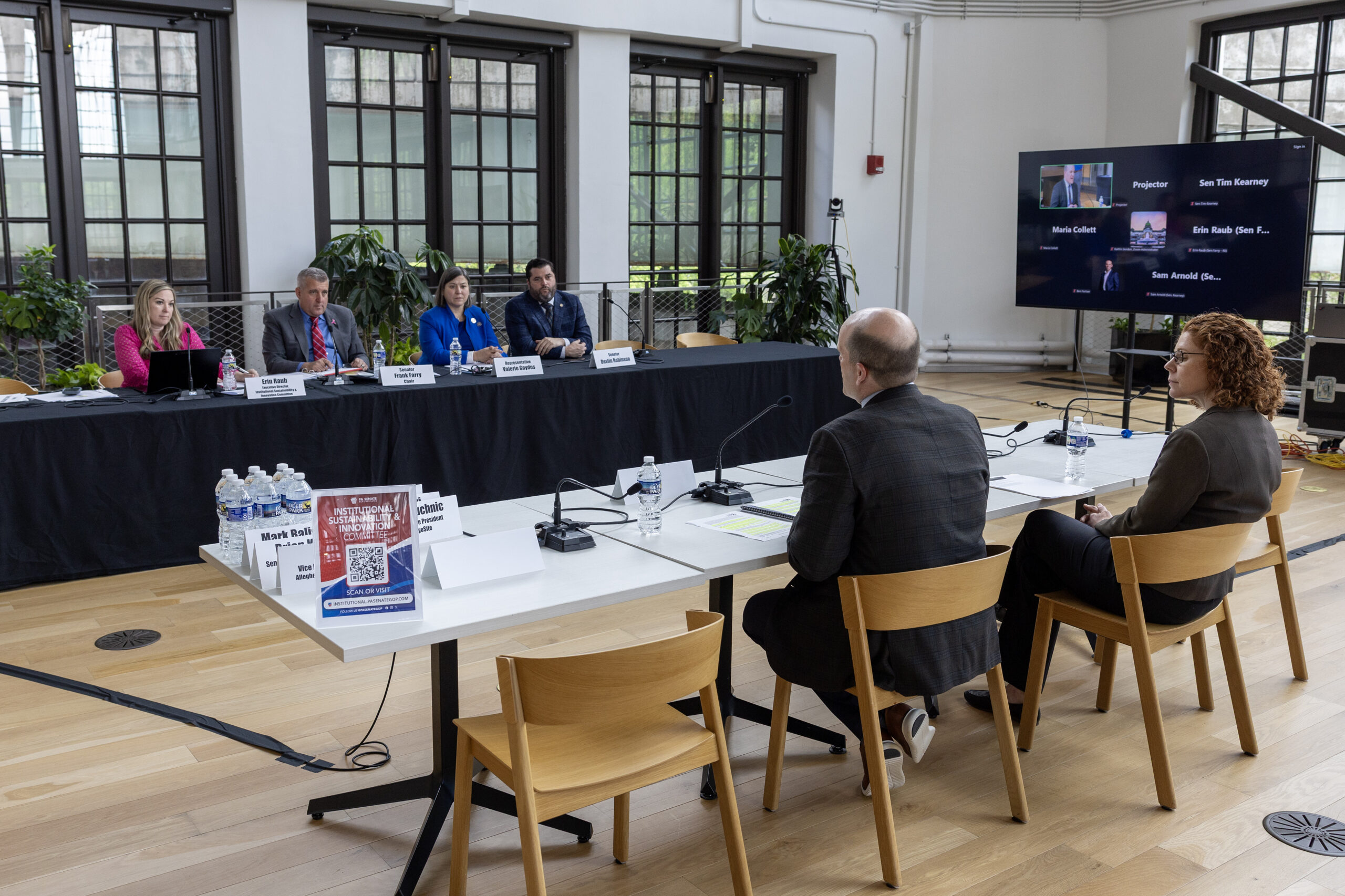 The Senate Institutional Sustainability and Innovation Committee hearing in Pittsburgh (Courtesy PLSA)
“It is a unique time where we have legislators in both parties at the local, state and federal level who are supportive of this sector,” Megan Shaw, president and CEO of Pittsburgh’s Life Sciences Alliance (PLSA), told Technical.ly. “Now is the time we really need to make sure we see action with that level of support.”
Now, state reps have a chance to advance these bills during the June session.
In 2023, Southwest PA’s life sciences industry generated some $3.4 billion in economic output and accounted for more than 15,000 jobs, according to a 2024 report by the economic development research firm Teconomy Partners.
If Pittsburgh matched the national rate of converting R&D into economic output, the region would see a fourfold increase in life sciences economic activity and a threefold increase in jobs, according to Shaw’s testimony.
“We come with over $1.2 billion in life sciences R&D coming out of these R1 universities, but we have not translated that into economic output at the same rate as other regions,” Shaw said at the May hearing.
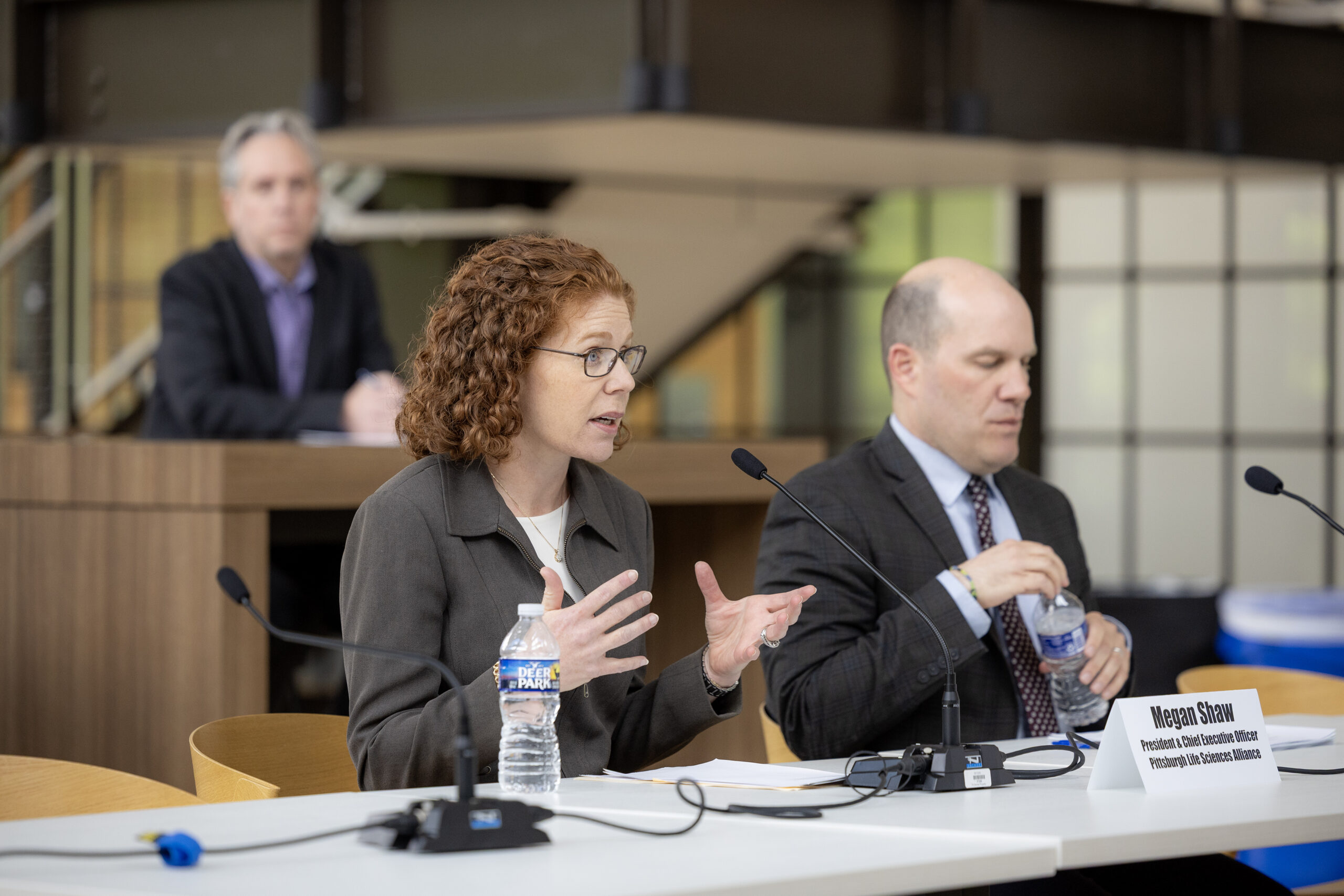 Megan Shaw, president and CEO of the Pittsburgh Life Sciences Alliance, testifies before the Senate Institutional Sustainability and Innovation Committee (Courtesy PLSA)
A 2x increase on R&D
SB 792, a bipartisan bill, would double funding for Pennsylvania’s R&D tax credit program from $60 million to $120 million, with the small-business set-aside also doubling from $12 million to $24 million.
These tax credits, which are technically industry agnostic, have been used by startups like Abridge and Krystal Biotech, as well as big employers like Bayer and Zoll, according to Shaw.
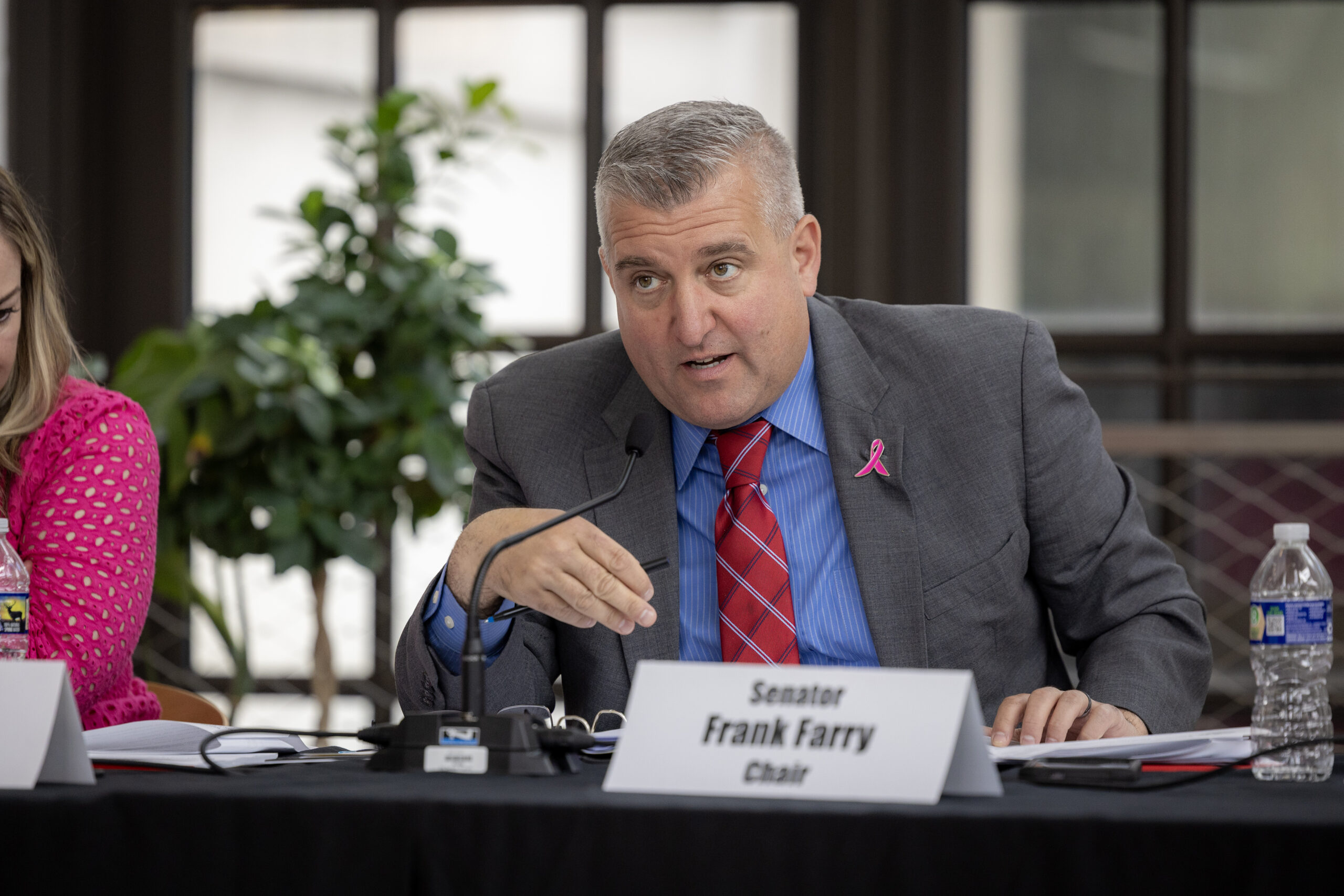 Sen. Frank Farry, the prime sponsor of SB 792 and SB 811 (Courtesy PLSA)
The rates would also shift, meaning companies that spend on R&D get a larger discount on their taxes.
The bill would increase it from 10% to 14% for standard businesses and from 20% to 25% for small businesses. More businesses would qualify for the small-business credits, since the bill raises the asset cap for what counts as a “small business,” from $5 million to $10 million.
“You only benefit if you are increasing [or] expanding your R&D spend in Pennsylvania,” Brian Kennedy, senior vice president of operations and government affairs at the Pittsburgh Tech Council, said, “and the credit only applies to the increase amount, not what you’ve just done in the past.”
The existing tax credit program is consistently oversubscribed, Mark Balistrieri, the director of Pittsburgh-based accounting firm Schneider Downs, said at the hearing, which means businesses that apply often only get a fraction of the credit they’re eligible for.
Applicants currently receive on average 10% to 30% of their requested amount. Increasing that range to 20% to 60% would give businesses more of an incentive in the commonwealth, making needed changes to a program that’s currently “too constrained, too complex and too diluted to consistently achieve its intended impact,” Balistrieri said.
The bill is currently on the Senate floor after successfully passing its first consideration on June 9. Its next step is to be called up for a second consideration later this month.
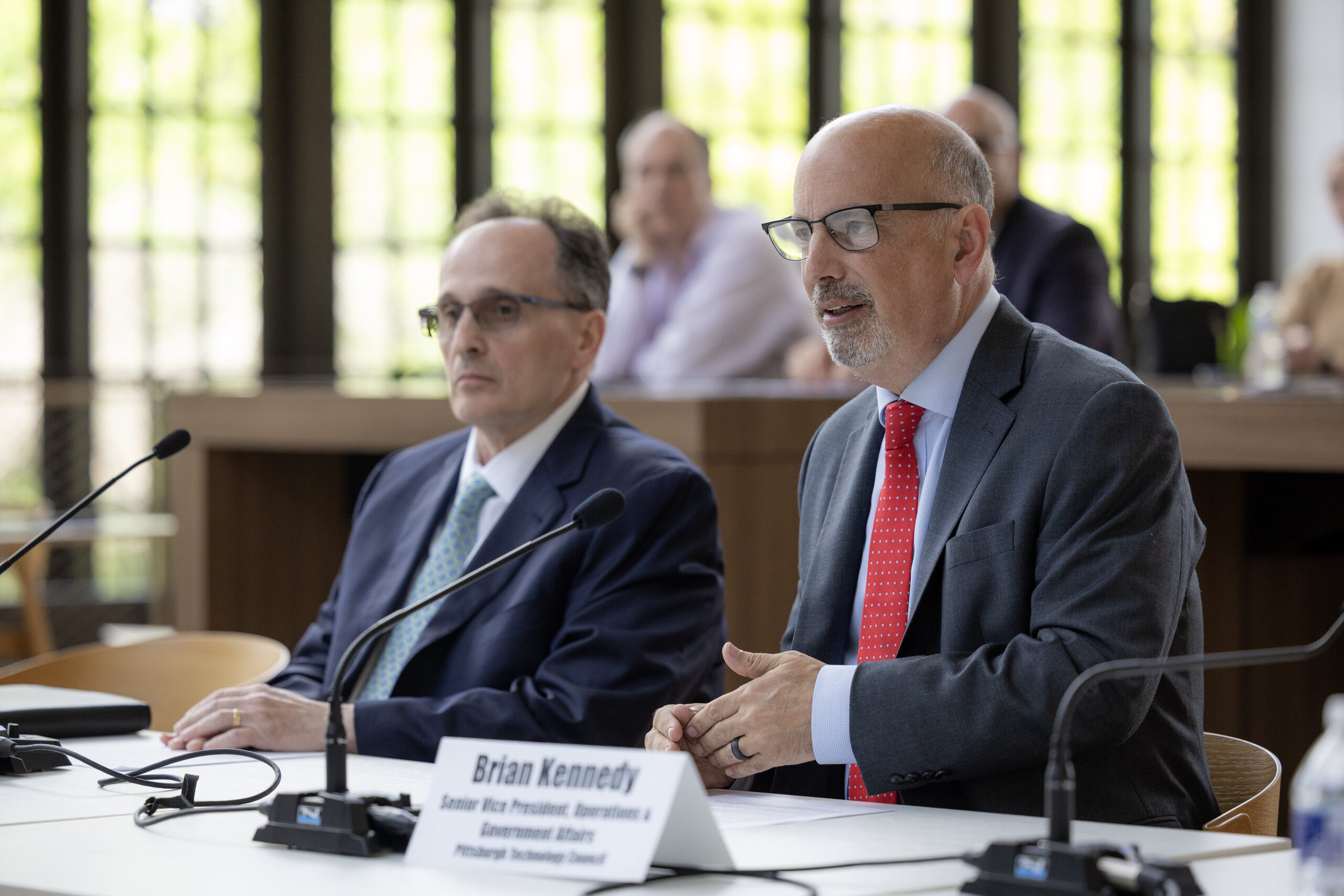 Mark Balistrieri, the director of Pittsburgh-based accounting firm Schneider Downs (left) and Brian Kennedy, senior vice president of operations and government affairs at the Pittsburgh Tech Council (Courtesy PLSA)
The argument for matching federal funds
SB 811, another bipartisan effort, would allow companies to receive a modest amount of money from the state if approved for SBIR or Small Business Technology Transfer (STTR) federal grants.
The bill would direct the Department of Community and Economic Development to match a business’s Phase I award, up to $50,000, with 75% paid out once the business gets its federal award and the remaining 25% paid once the business actually applies for Phase II.
Businesses would only be able to collect one grant from the state per year and five awards total under the program, placing a lifetime cap of $250,000 per company.
The bill establishes the framework for the program but doesn’t appropriate funds. That would be handled separately by the General Assembly through the budget process. The bill hasn’t progressed since 2025 and is currently awaiting approval from the Senate Appropriations Committee.
Pennsylvania is one of only 15 states that does not currently offer a matching program, Shaw said in her testimony.
SBIR and STTR grants were recently authorized after a six-month lapse and have historically been a significant source of funding for Pittsburgh-based companies.
“What [this bill] does is allow Pennsylvania to piggyback on the robust federal infrastructure,” Shaw said, “and subject matter expertise.”