
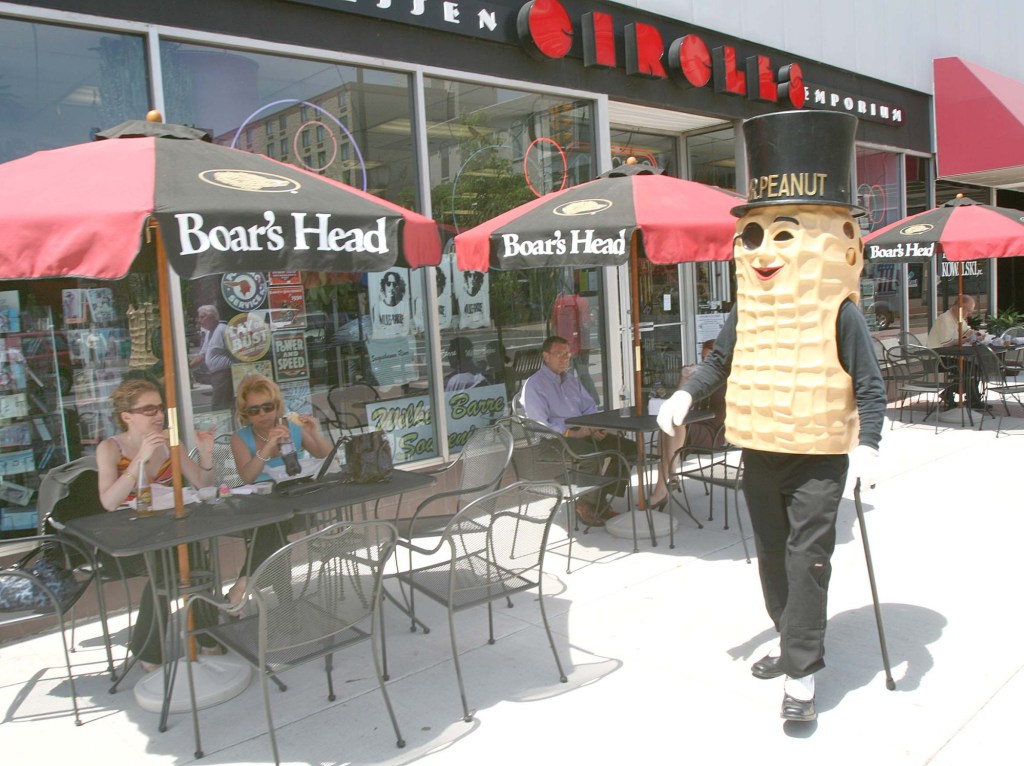
For nearly half a century, Bartholomew Richard Fitzgerald-Smythe was considered Wilkes-Barre’s favorite son — even though very few knew his name.
He was more legume than human. His creator, a child named Antonio Gentile, originally sketched him in crayon, and won a cool $5 for having done so. An area illustrator whose identity remains somewhat of a mystery dressed him in white gloves and a top hat, gave him a cane to support his gait and a trademark monocle to see his fandom better.
Perhaps it was all pretty nutty. But, that was the point all along.
Mr. Peanut, the timeless Planters Peanuts mascot still synonymous with the popular snack today, stands as the figurehead of a former fruit stand-turned-peanut distributor that put both Wilkes-Barre and the humble peanut on the American palate.
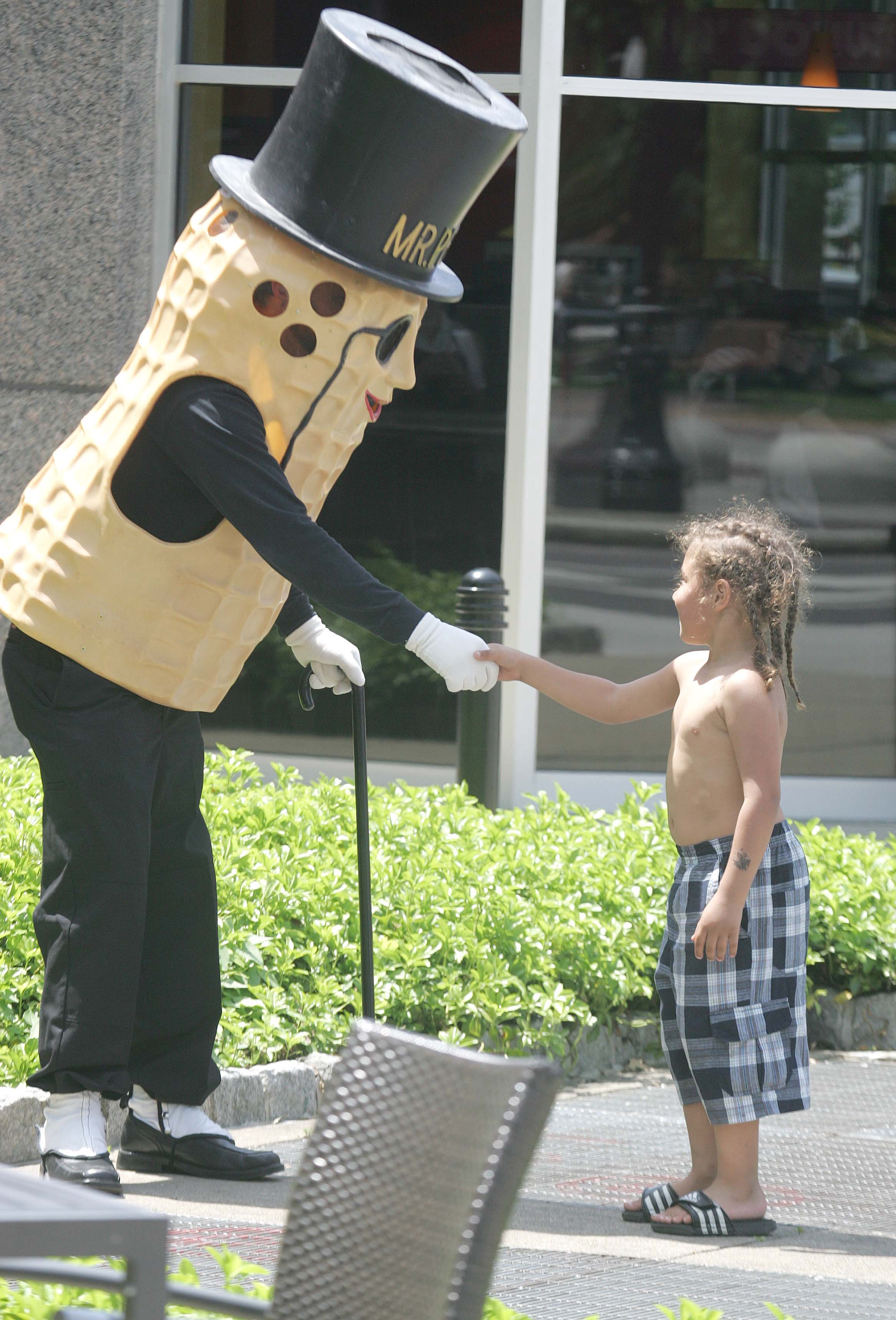
Mr. Peanut greet Jamie Hernandez,5, of Miners Mills. The icon was on Public Square as part of national conference of collectors of Planter Peanuts memorabilia who are scheduled to hold a national convention in Wilkes-Barre in July 2012. (The Citizens’ Voice FIle)
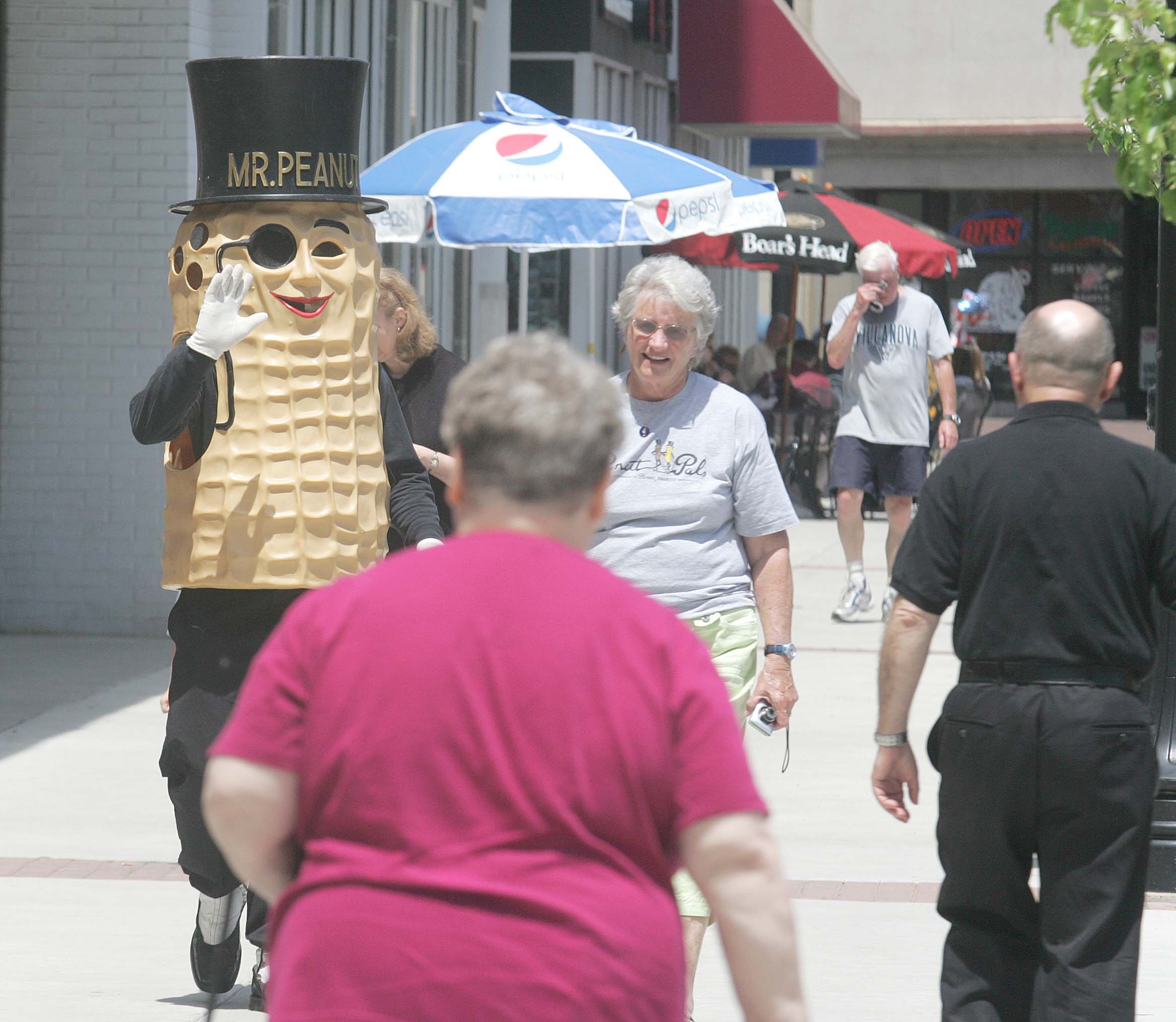
Mr. Peanut strolls around Public Square as part of national conference of collectors of Planter Peanuts memorabilia who are scheduled to hold a national convention in Wilkes-Barre in July 2012. (The Citizens’ Voice FIle)
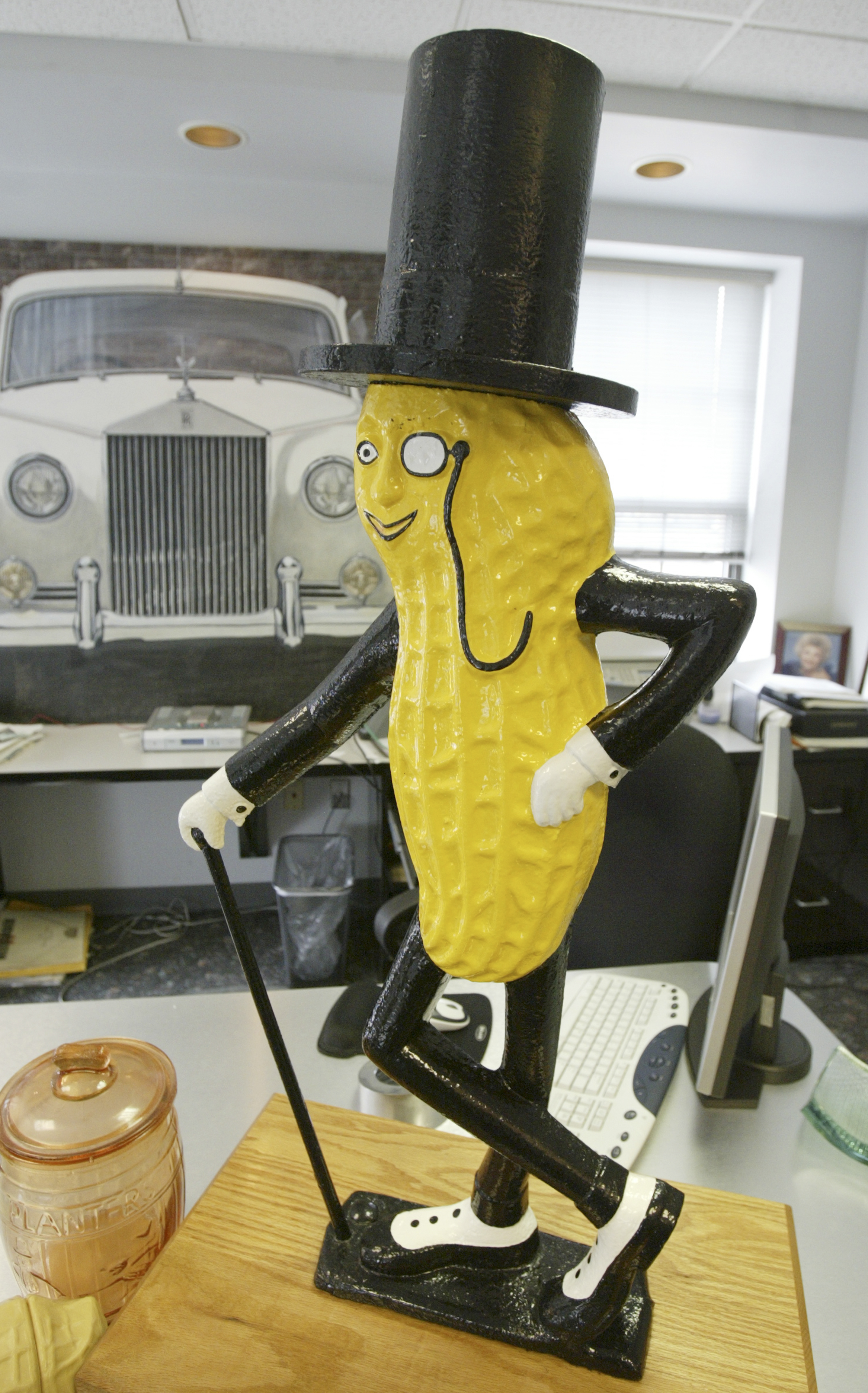
Cast iron Mr. Peanut that once adorned the top of the Planters Peanuts corporate office building on South Main Street in Wilkes-Barre. (The Citizens’ Voice FIle)
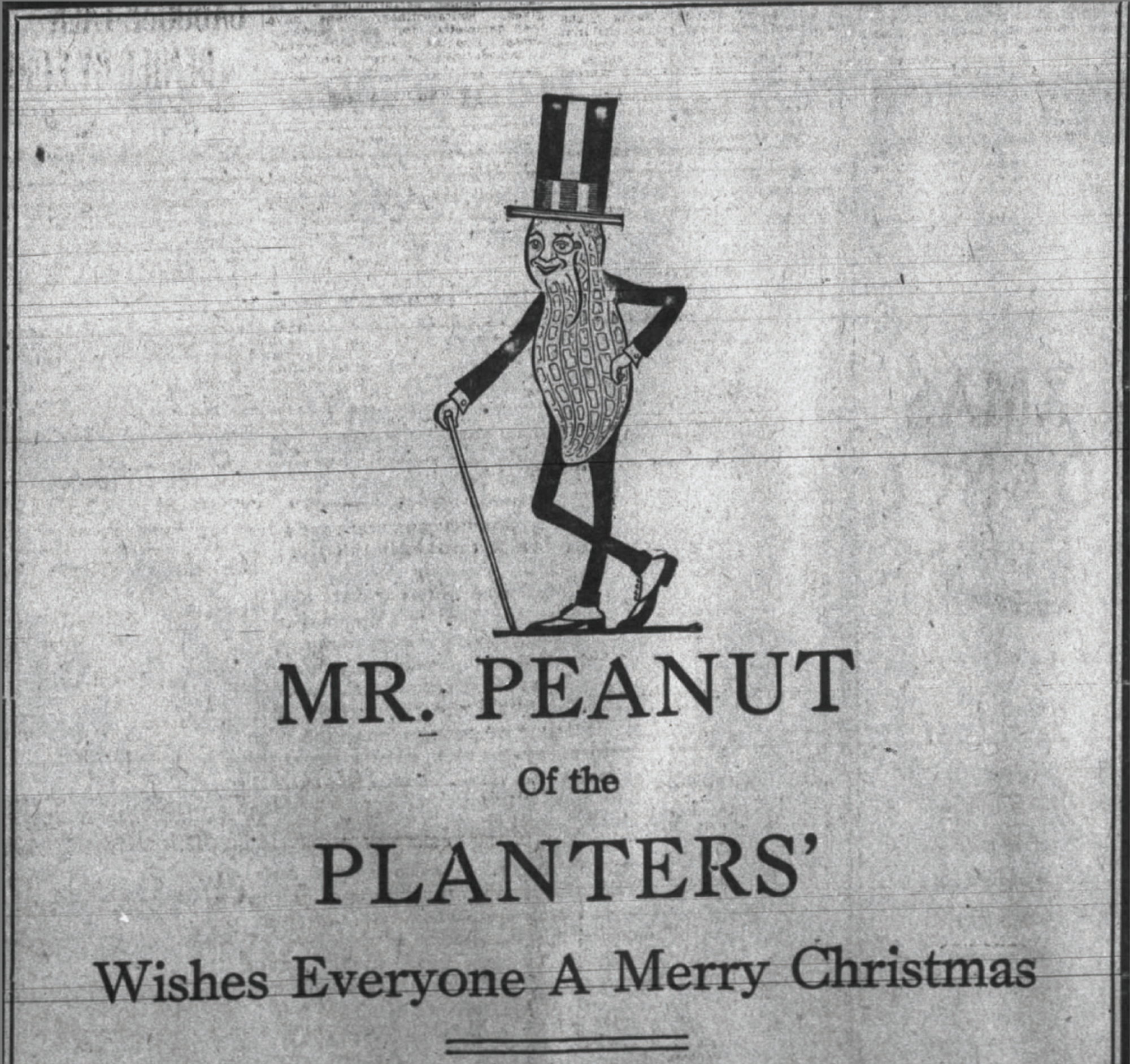
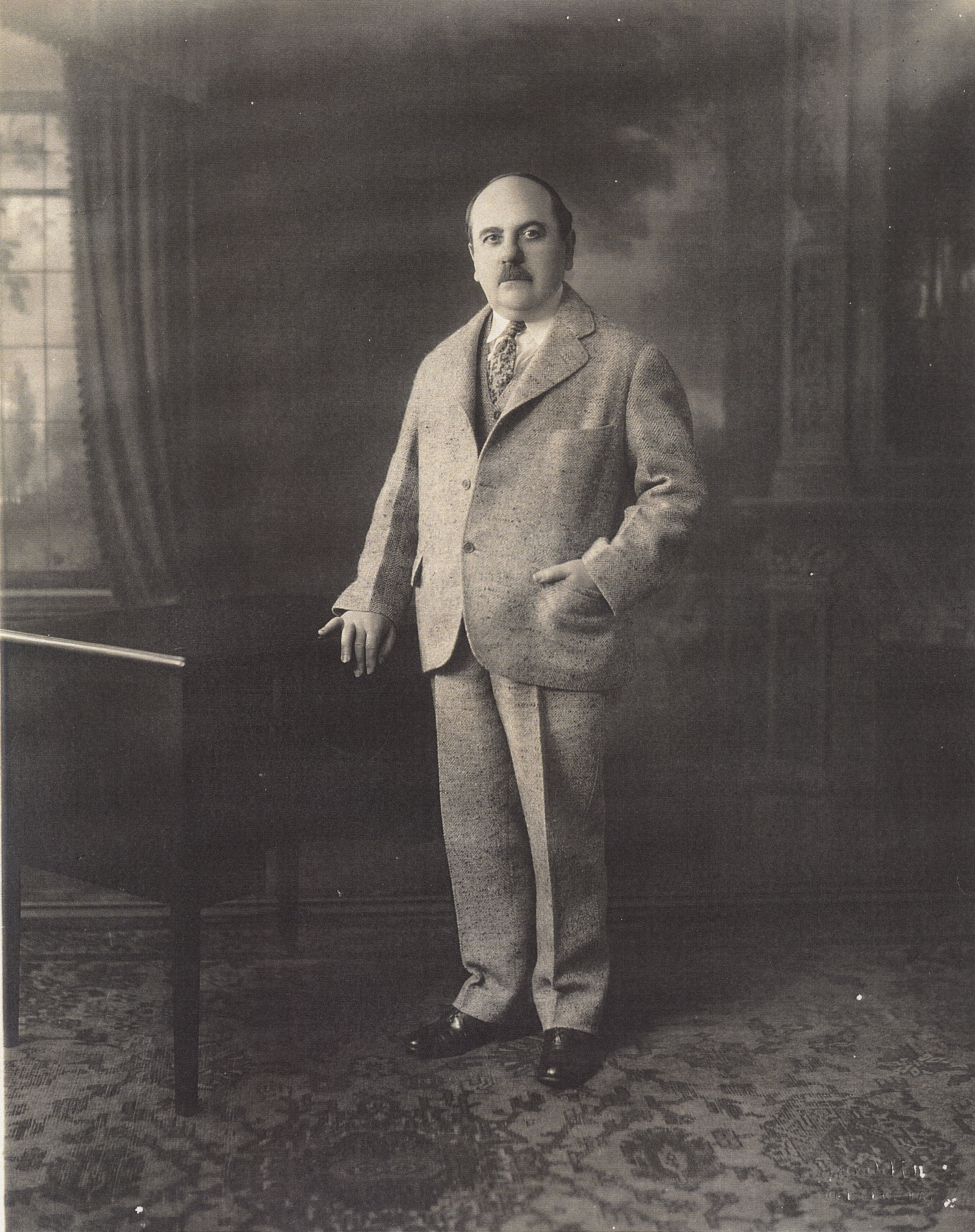
PHOTO COURTESY OF JANE SABALASKE A portrait of international businessman Amedeo Obici. In 1897, Obici teamed up with another Italian immigrant, Mario Peruzzi, to found Planters Peanut Company in Wilkes-Barre.
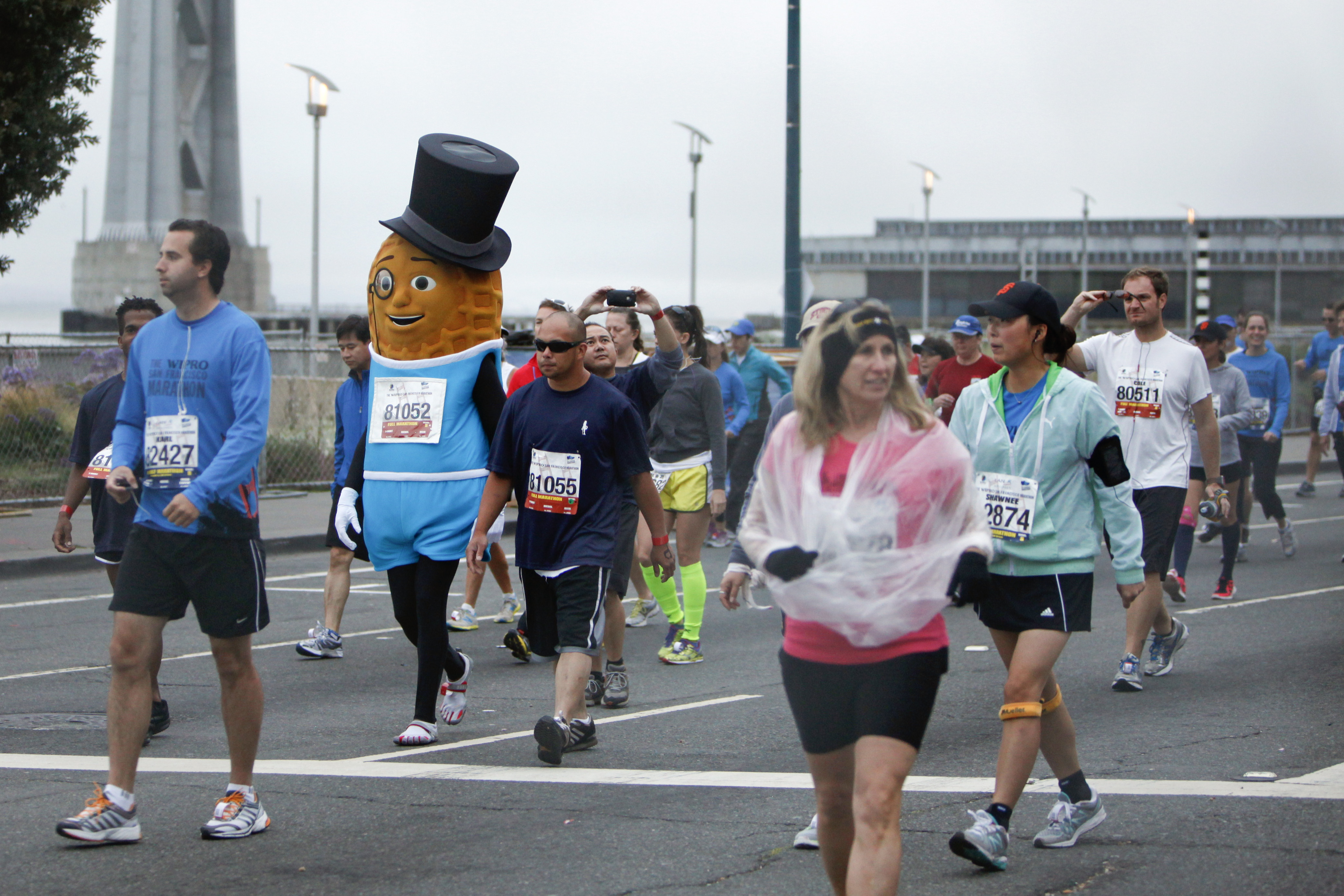
Mr. Peanut runs in his first marathon at the Wipro San Francisco Marathon in San Francisco, Calif., Sunday, July 29, 2012. (Alison Yin/AP Images for PLANTERS)
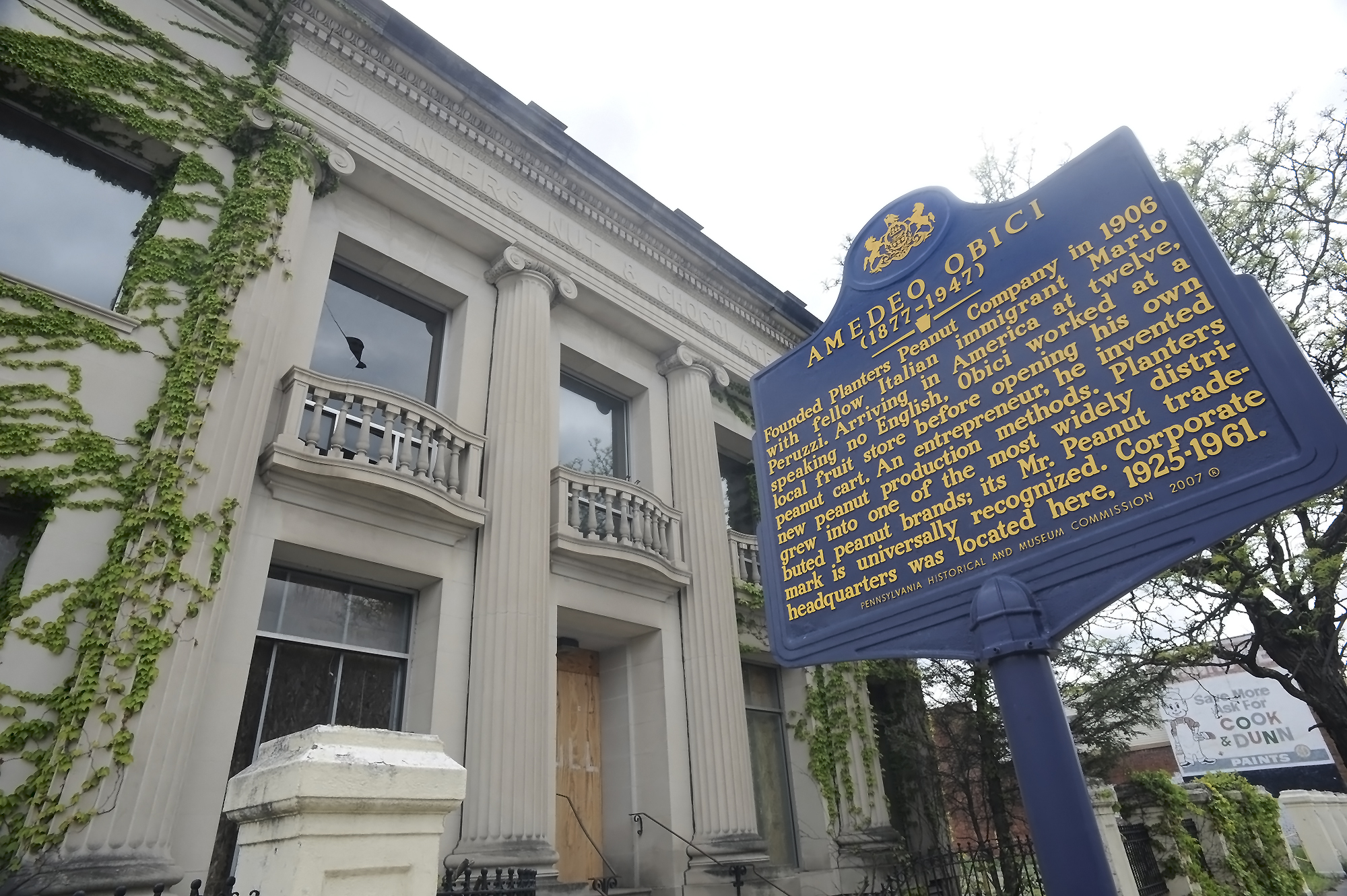
Planters Peanut property South Main Street Wilkes-Barre. (The Citizens’ Voice FIle)
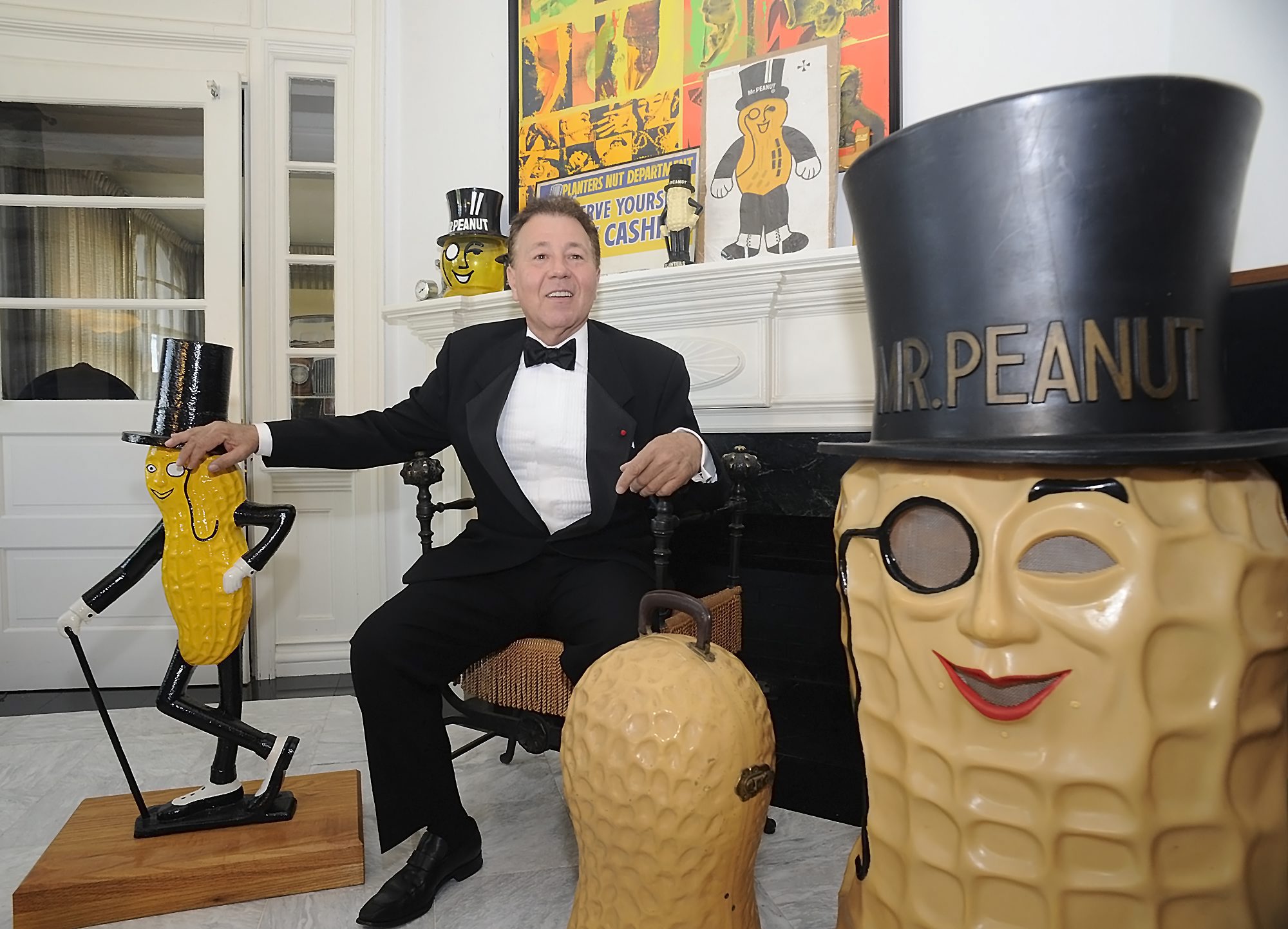
Wilkes-Barre businessman Thom Greco wanted to buy Planters’ former headquarters and turn it into a museum, but the city sold the property to developer Marvin Slomowitz in 2005. (The Citizens’ Voice FIle)
Show Caption
1 of 8
Mr. Peanut greet Jamie Hernandez,5, of Miners Mills. The icon was on Public Square as part of national conference of collectors of Planter Peanuts memorabilia who are scheduled to hold a national convention in Wilkes-Barre in July 2012. (The Citizens’ Voice FIle)
Expand
The national ripple
In 1906, Italian immigrant Amadeo Obici was operating a fruit and nut stand in his adopted Wilkes-Barre, where he often referred to himself as “The Peanut Specialist.” His future brother-in-law, Mario Peruzzi, developed a more efficient method of blanching and roasting peanuts without their shells and skins.
Together, they co-founded Planters, opening a retail store at 10 East Market St. in the city, buoyed by six employees and two peanut roasters. At the time, peanuts were viewed more by the American public as street food or animal feed.
But thanks to Mr. Peanut’s rise in popularity, Planters and its mascot had become faces of the nation’s snack industry by the 1930s. That was just five years after Planters’ headquarters was established on the 600 block of South Main Street, where the building’s rooftop was festooned with 3-foot-tall, cast-iron Mr. Peanut statues.
The living legacy
Mr. Peanut became an advertising icon on area streets, frequently handing out free 5-cent bags of roasted peanuts to children and encouraging parents to shop at the retail store. By midcentury, he was as popular as Santa Claus at holiday parties, often handing out holiday bonus checks.
Even after Planters’ 1961 departure from Wilkes-Barre, his fame grew. Industry giant Hormel purchased Planters for $3.35 billion in 2021. Mr. Peanut has appeared in several Super Bowl commercials, has been voiced by famed actor Robert Downey Jr., and even ran in the San Francisco Marathon in 2012.
But his biggest impact is likely felt on the peanut industry as a whole. The world’s most famous peanut spurred a global industry now considered to be worth as much as $92 billion. Nationally, the total value of peanut production sits at around $1.7 billion.
Sidelight
The ingenuity and advertising foresight of Obici and Peruzzi stands as an example not just of Northeast Pennsylvania’s industrial spirit, but that the reality of big ideas coming from outside big cities is hardly nuts.
About the series
No. 14: As the nation approaches America250, we are counting down ways NEPA has powered American history. Missed a day? Read the full countdown as it unfolds at citizensvoice.com.