
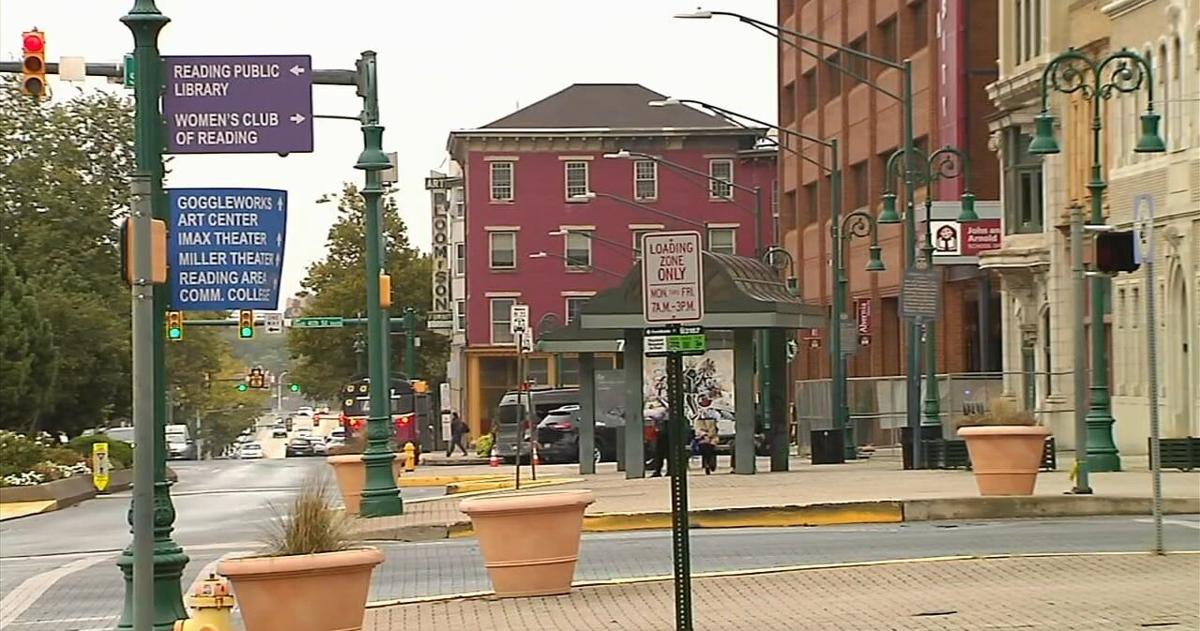
READING, Pa. – Reading City Council voted Monday night to approve zoning amendments to create a Transit-Oriented Overlay District (TOD) in the downtown area.
At a public hearing on the matter earlier this month, Planning Director Simon Wangolo said the development of a TOD started in 2023 through the collaboration of the city and community partners.
The TOD amendments were created in anticipation of the passenger rail service returning to the city and to draw more residents and businesses to the downtown area.
The components of the TOD include mixed uses such as diverse residential unit types, higher densities closer to an anticipated train station, active retail on the ground floors and offices of residential uses on the upper floors.
The overlay district is proposed to cover certain areas of multiple commercial and residential zoning districts in the downtown area.
Incentives for developers would include: decreasing the minimum lot size requirements, increasing the maximum building coverage and the maximum impervious coverage for certain uses, increasing building heights in some of the included zoning districts and reducing off-street parking requirements with specific criteria.

The Transit-Oriented Overlay District is being proposed in anticipation of passenger rail service potentially returning to Reading.
City officials believe a TOD is a good strategy of development in the downtown area, especially with the recent CRIZ (City Revitalization and Improvement Zone) designation.
Councilmember Raymond Baker said he appreciated all the work that was put into developing the TOD.
“I think it’s a good movement towards redeveloping downtown Reading, which is the most necessary thing I think any of us can do here,” Baker said.
Mark Mohn, government affairs director with the Reading-Berks Association of Realtors, told council that the overlay district along with the CRIZ is going to activate the downtown and provide an opportunity for greater economic development.
“The city is the key part of the county where we have more young people coming into this city than in any other municipality in the county,” Mohn said. “Seeing economic development and growth within the city, and creating things like the TOD overlay district is going to add to the vibrancy, walkability of the downtown. And those are the things where the successful communities around the country are embracing those sorts of concepts and ideals.”
Off-street parking changes
On another matter, council voted to table a proposed ordinance that addresses off-street parking and seeks to modernize off-street parking and the loading standards within the city.
That ordinance was designed to promote economic development opportunities in areas where it was conceived that you could not develop a site because there would be a lack of parking.
City developer Alan Shuman submitted six concerns regarding the parking ordinance, which most of the council said warrant further discussion.