

Cross-posted with permission from The Pew Charitable Trusts.
[Original Post: Clendening, Jennifer. “Philadelphia Providers Share Policy Barriers to Opioid Use Disorder Treatment.” Pew. June 18, 2026. https://www.pew.org/en/research-and-analysis/articles/2026/06/18/philadelphia-providers-share-policy-barriers-to-opioid-use-disorder-treatment]
Although the number of unintentional overdose deaths in Philadelphia is estimated to have reached its lowest point in recent years in 2025, the crisis is far from over. Opioid use disorder (OUD) remains a significant challenge for Philadelphia, affecting individuals and communities throughout the city. Many residents still grapple with the health impacts of opioid use, and its influence is deeply felt: 1 in 3 Philadelphians knows someone who has died from an overdose, and even more are familiar with someone who uses opioids.
Buprenorphine, one of three Food and Drug Administration-approved medications for opioid use disorder, can reduce the risk of overdose and improve health and treatment outcomes for individuals with OUD. But access to treatment varies significantly by provider throughout the city, and few people receive evidence-based care relative to the number of individuals who could benefit from it.
Related Articles
Philadelphia Study Reveals Uneven Access to Buprenorphine for Opioid Use Disorder
New Rules for Methadone Doses at Home Did Not Increase Overdoses
Higher Buprenorphine Doses Help People Stay in Treatment
A recently published University of Pennsylvania Leonard Davis Institute of Health Economics (Penn LDI) study examined treatment providers’ perspectives on the barriers that people who use opioids face in accessing and continuing to receive care. The study, funded by The Pew Charitable Trusts, involved interviews with 28 OUD providers in Philadelphia, including physicians, therapists, and other staff members, between December 2022 and July 2023.
All providers were from outpatient facilities that provide buprenorphine as a treatment option. And they were asked to describe their medication prescribing practices and discuss how various policies, payment structures, and regulatory requirements helped or hindered their ability to provide low-barrier, evidence-based care.
Some state, insurance, and treatment program policies and requirements—such as frequent mandatory visits, strict counseling requirements, medication restrictions, and zero-tolerance abstinence policies—are not patient-centered. And those practices can make it difficult for people to access the care they need when they need it.
That’s why it’s crucial to simplify access to buprenorphine care. Using low-barrier approaches—such as prescribing buprenorphine at the first visit, having fewer requirements for receiving medication, and not considering a return to opioid use as a reason for dismissal from care—can help individuals initiate and remain in treatment.
Among the study’s key findings:
Lack of insurance coverage and inadequate reimbursement rates caused significant financial strain and instability for health care facilities. Many providers rely on unsustainable alternative funding sources, such as federal grants and state funding through Centers of Excellence payment models, to bridge the gaps.
Payor policies that imposed strict requirements and other administrative hurdles limited patients’ access to treatment and patient retention and led to delays in care. Such policies included prior authorization and patient attendance requirements, which providers noted are not aligned with patients’ needs.
Licensure and regulatory requirements impeded the delivery of flexible, low-barrier OUD treatment models. Policies such as strict treatment program classifications, unrealistic staffing mandates, and requirements for government identification restrict the integration of harm reduction and mental health services, limiting the quality of and access to care, especially for the most vulnerable people.
“The amount that we receive for our services is extremely low … and often not even enough to cover the patients’ care. … It’s not a sustainable model; not even at a break-even point—and we haven’t been for years because of the payment structure that we’re provided with.”
Provider participating in Penn LDI study
The study suggests that reforms such as better matching reimbursement with the cost of care delivery, reducing administrative hurdles to program participation and prescribing, and bolstering other policies with evidence-based practices could help providers offer the best care for their patients—care that is aligned with health care facilities’ fiscal and clinical workflow needs.
Author

More on Substance Use Disorder

‘Pill Mill’ Laws Worked, Cutting Opioid Overprescribing and Deaths
Measures in 11 States Also Reduced Doctor Shopping Without Pushing Patients Into Illicit Drug Use, a New RAND–Penn Study Finds
May 19, 2026
“Everybody’s Going to Feel the Pain”: Medicaid Cuts Threaten Addiction Treatment
New York Commissioner Warns University of Pennsylvania Conference That Funding Losses Could Force States to Ration Care and Risk Rising Overdose Deaths
April 1, 2026
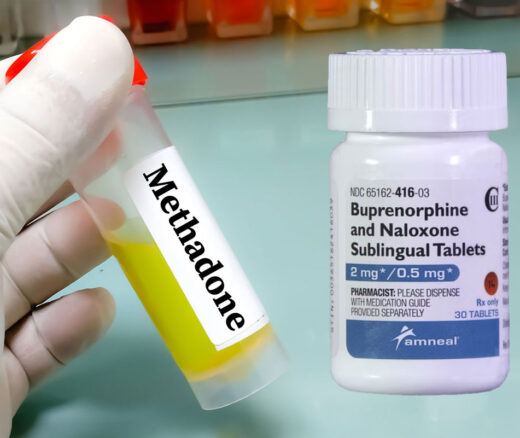
Private Equity Expands Grip on Addiction Treatment Sector
Researchers Point to Gains in Access to Care but Declines in Patient Retention and Ongoing Concerns about Quality
March 25, 2026

Higher Buprenorphine Doses Help People Stay in Treatment
LDI Fellow Explains Study Findings, Including Racial Disparities in Dosing, and Policy Implications for Philadelphia
March 10, 2026
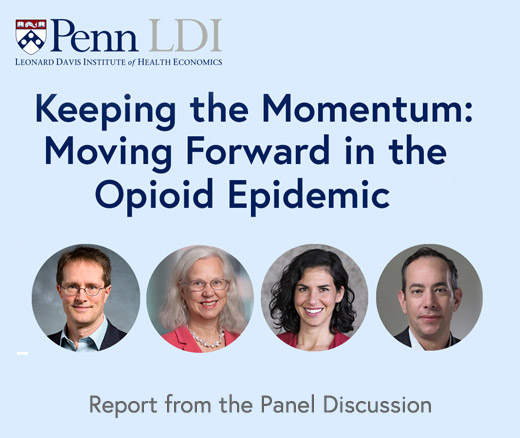
Experts Warn Addiction Policy is Weak Despite Falling Overdose Deaths
Penn LDI Panel Urges Family-Focused Strategy and Stronger Health System Response
February 19, 2026
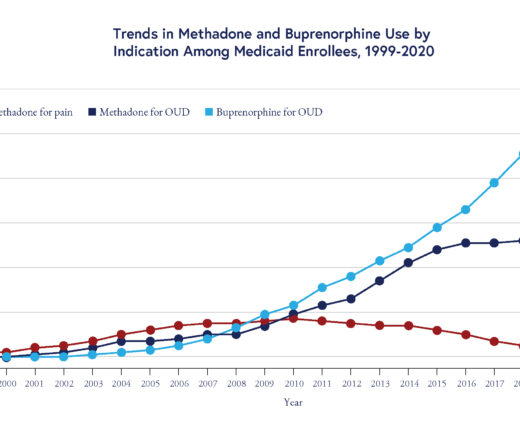
Methadone Use Rises—But Too Few People Get Opioid Medication
Chart of the Day: Methadone Use for Opioid Use Disorder Tripled From 2010–2020, Yet Only One in Four People With Addiction Receive Medication
February 4, 2026