
When the cannons of the Revolutionary War cooled and the nation’s independence was secured, Pennsylvania’s work was far from over.
Through its vast anthracite coal fields and sprawling railroad networks, the commonwealth became the undisputed engine of the American Industrial Revolution. Today, that grit, labor, and ingenuity are preserved at historical destinations across Northeast Pennsylvania.
Here is how you can step back in time to explore the industrial might that built, fueled and connected a growing nation.
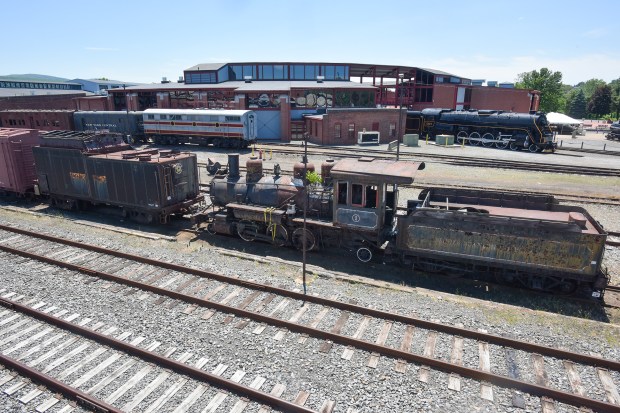 Steamtown National Historic Site in Scranton Tuesday, June 9, 2026. (SEAN MCKEAG / STAFF PHOTOGRAPHER)
Steamtown National Historic Site: Scranton
Nestled in Scranton’s downtown, Steamtown National Historic Site encompasses 62 acres of the original Delaware, Lackawanna & Western rail yard. People from throughout the nation and world come to Steamtown to experience its mission: to preserve, interpret and protect the history of steam railroading in America.
Conceived and established in the 1980s, the park’s collection of 40 locomotives and more than 100 pieces of railroad equipment moved to Scranton from Bellows Falls, Vermont, in 1984. Through dogged optimism, hard work and a vision for preserving the city’s railroading past, local leaders transformed the site into a premier national attraction, holding its grand opening in 1995.
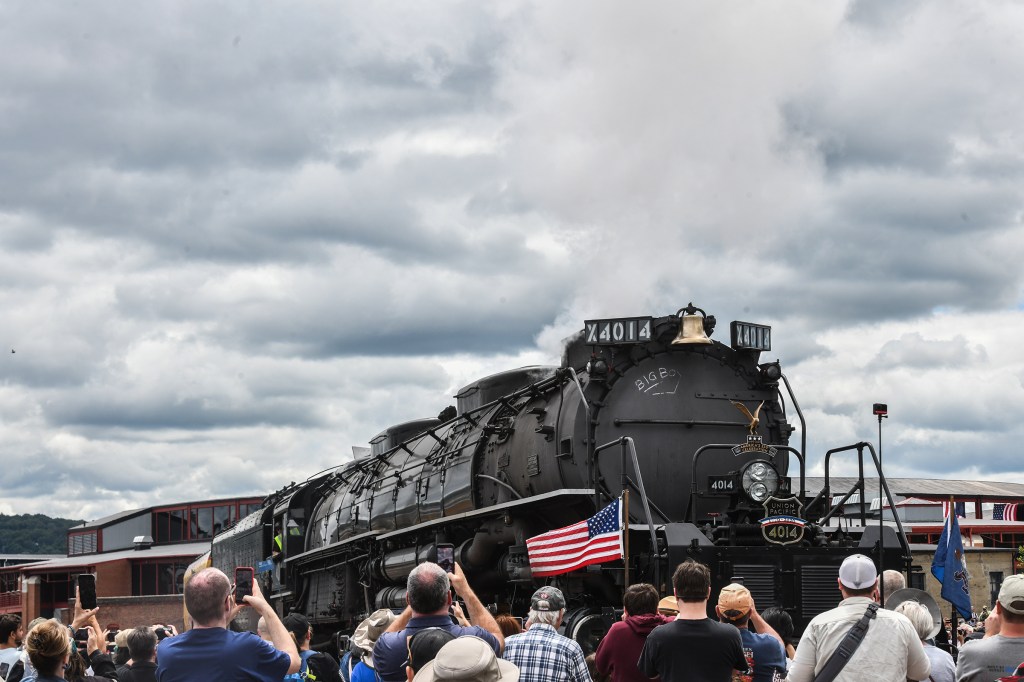
Today, the historic site functions as an operating rail yard and has an outsized impact on the local economy. That impact was on full display recently during the “Big Boy Reunion,” an event where Union Pacific’s Big Boy 4014 — the world’s largest operating steam locomotive — met Steamtown’s own nonoperational Big Boy 4012.
The reunion drew an estimated 60,000 people to Steamtown over the first week alone, a figure equal to the park’s total attendance for all of 2015, proving the enduring majesty of these steel giants.
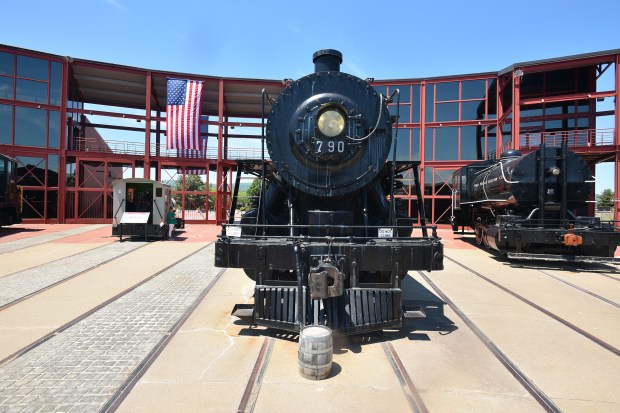 The Illinois Central #790 steam locomotive sits at Steamtown National Historic Site in Scranton Tuesday, June 9, 2026. (SEAN MCKEAG / STAFF PHOTOGRAPHER)
Plan your visit: Steamtown National Historic Site
Location: 350 Cliff St., Scranton
The vibe: An immersive journey into the height of the American Industrial Age and the roaring machines that powered a nation.
Must-see: The working locomotive roundhouse, the massive 62-acre historic rail yard, and the colossal Big Boy 4012, one of the largest steam locomotives ever built.
Tip: Check the park’s seasonal schedule before visiting. Steamtown regularly offers short train rides through the yard and longer seasonal passenger excursions through the Pocono Mountains.
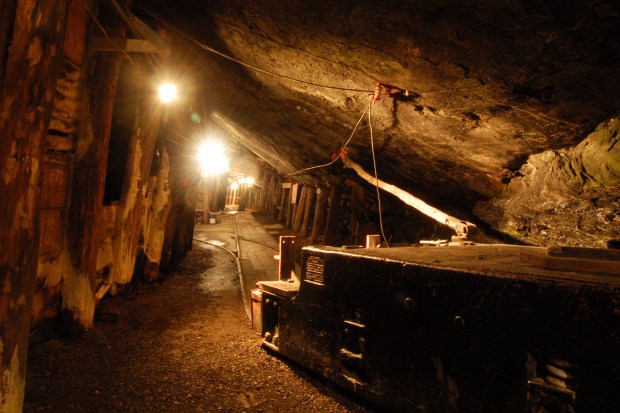 The vast mine workings at the Lackawanna Coal Mine Tour looks up into a air shaft. Guests travel down a slope while riding in a “man-trip” to reach walking portion of the tour. While inside, guests will learn the history of the tour and the anthracite region. (TIMES-TRIBUNE FILE)
Lackawanna Coal Mine Tour: Scranton
For more than four decades, the Lackawanna Coal Mine Tour has carried locals, students and tourists alike on a descent down the No. 190 Slope of the old Continental Mine, taking them into an underground world familiar to the men and boys whose labor drove the anthracite coal industry.
Anthracite fueled Scranton’s growth for much of the 20th century, with 27 collieries operating in the city alone at the industry’s peak. The Continental Mine was the last deep underground mine to be shut down in Lackawanna County when it ceased operations in 1966. When the tour opened at McDade Park in 1985, it offered a window into the lived experiences of ancestors, often immigrants, who toiled underground to extract the fuel that powered a burgeoning nation.
Longtime former state Rep. Ed Staback, who passed away in 2022, was serving as a Lackawanna County commissioner in 2015 when officials debuted the attraction’s newly refurbished mine car. Noting his father worked most of his adult life at a mine in Olyphant, Staback recalled asking his dad why he came home dirty every day.
After taking the tour many years later, Staback described it as an illuminating experience. “When I left the mine and came to the surface, I had a much better understanding of and appreciation for how hard, how dirty and how dangerous a miner’s life was,” he said.
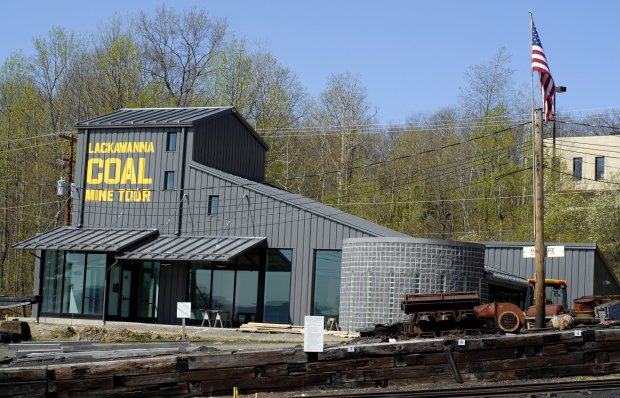 The Lackawanna Coal Mine Tour at McDade Park opened to the public on Oct. 26, 1985. (FILE)
Plan your visit: Lackawanna Coal Mine Tour
Location: McDade Park, 1 Bald Mountain Rd., Scranton
The vibe: A dark, damp and illuminating descent into the grueling underground world of the men and boys who fueled the anthracite coal industry.
Must-see: The descent down the No. 190 Slope of the old Continental Mine in a refurbished mine car, dropping you hundreds of feet into the earth.
Tip: The tour operates Thursday through Monday until November. It gets chilly deep underground, so bring a light jacket even if visiting in the middle of summer.
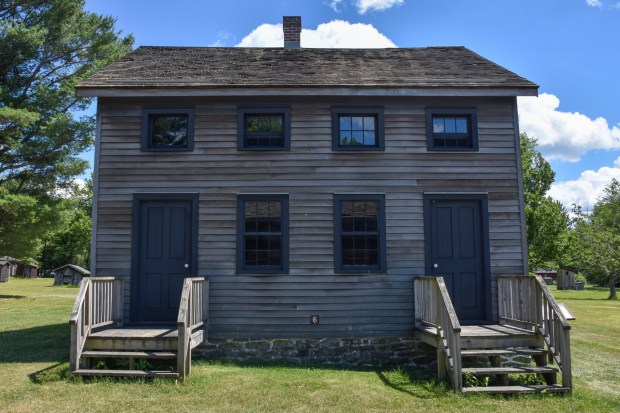 A typical laborer’s home on display during Patchtown Days on Saturday, June 20, 2026 at Eckley Miners’ Village.
(Frank Barr / Contributing Photographer)
Eckley Miners’ Village: Weatherly
Eckley is 172 years old and shows its age, which is exactly why it is still here and still relevant.
The coal patch town that became a movie set and is now a museum was called Shingleton until 1854, when four partners leased land, started mining coal, and renamed the village for their landlord’s son. The company provided a store, a doctor, and housing arrayed by social strata. Starting at the founders’ mansions, villagers walked the main street past the large homes of supervisors down to the cramped double homes packed with common laborers.
By the 1920s, as coal production began a long decline, the village population dwindled. By 1968, strip mining had erased many of Eckley’s houses, and the rest might have been dug away if Paramount Pictures hadn’t offered to rent the town. Paramount chose Eckley as a setting for “The Molly Maguires,” a 1970 film starring Sean Connery about an Irish resistance organization linked to sabotage in the coal fields.
Following the film’s release, a group raised $100,000 to buy Eckley and gave the village to the state to convert into a museum. Today, people still live in some of the houses, while others have been authentically restored and furnished for tours.
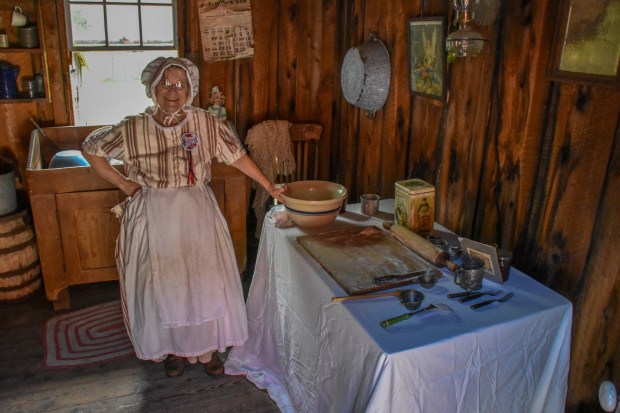 Angie Rabbitz dressed in attire of the 1860s makes “stove rags” in the summer kitchen, which is outside of the main house during Patchtown Days on Saturday, June 20, 2026 at Eckley Miners’ Village. “Stove rags” are leftover mashed potatoes flattened and fried on the summer kitchen stove top. (Frank Barr / Contributing Photographer)
Plan your visit: Eckley Miners’ Village Museum
Location: 2 Eckley Main St., Weatherly
The vibe: A perfectly preserved 19th-century coal patch town that functions as both a living museum and a famous Hollywood movie set.
Must-see: The authentically restored homes that showcase the town’s social strata, from the founders’ sprawling mansions down to the cramped double homes of common laborers.
Tip: Film buffs should rewatch the 1970 Sean Connery movie “The Molly Maguires” before visiting, as the production is responsible for saving the village from being destroyed by strip mining.