
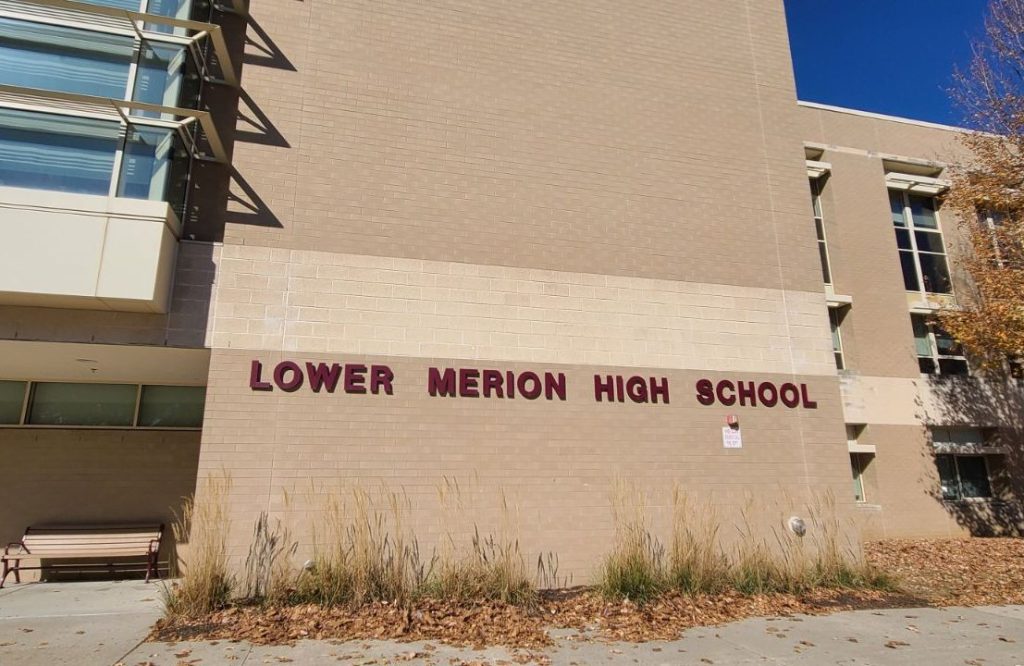
LOWER MERION – The Lower Merion School District Board of School Directors approved a 3.5% tax increase for the 2026-27 school year.
The 3.5% tax increase is in line with the state’s Act 1, which limits Lower Merion to a 3.5% increase. In January, the school board approved a resolution promising not to raise taxes above 3.5%, a threshold that would require a public referendum.
Victor Orlando, chief financial officer for Lower Merion, outlined the budget during the board’s business meeting earlier this month.
Orlando said Lower Merion, like many school districts, is facing challenges due to rising expenditures and declining revenue, but it continues to plan for its near- and long-term goals.
The budget increased the millage rate from nearly 35.27 to about 36.50.
One mill equates to $1 for every $1,000 of a property’s assessed value.
A property with a median household assessment of $250,684 will have an increase of $309 from $8,841 to $9,150. The median household assessment was provided by the Montgomery County Board of Assessments.
According to Orlando, 84% of the school district’s revenue comes from local sources, primarily property taxes. About 15% comes from the state, and less than 1% comes from the federal government.
In the 2026-27 budget, the district anticipates collecting $277.4 million in real estate taxes. That figure is up from the $264.2 million in the 2025-26 school year budget.
Other major sources of revenue for the district in the upcoming budget include $4.1 million in interest income and $4.9 million in real estate transfer taxes.
In total, the district anticipates collecting $294.1 million in revenue, an increase from $281.2 million in the current year’s budget.
The state funding for the upcoming school year budget is anticipated to be slightly over $53 million, an increase from the current year’s budget of just under $53 million.
Since the state budget has not yet been approved, Orlando said the state figures the district is using are based on the governor’s February proposal.
“We don’t know when the (state) budget will be approved. By law it’s supposed to be June 30, but as what happened this year, it wasn’t approved until November,” Orlando said.
The school district has budgeted $1.9 million in federal revenue.
On the expenditure side, 77% of the district’s spending goes to salaries and benefits, while the remaining 23% goes to other expenses.
The district’s budgeted just under $350 million in spending for the upcoming school year. $160.1 million of that spending goes towards salaries, and $106.7 million is for benefits.
“We’re a very labor-driven industry, and as in the past, it’s always been in that 70 to 80 percent range, so it’ll be 77 percent for the upcoming year,” Orlando said about the salaries and benefit expenditures.