
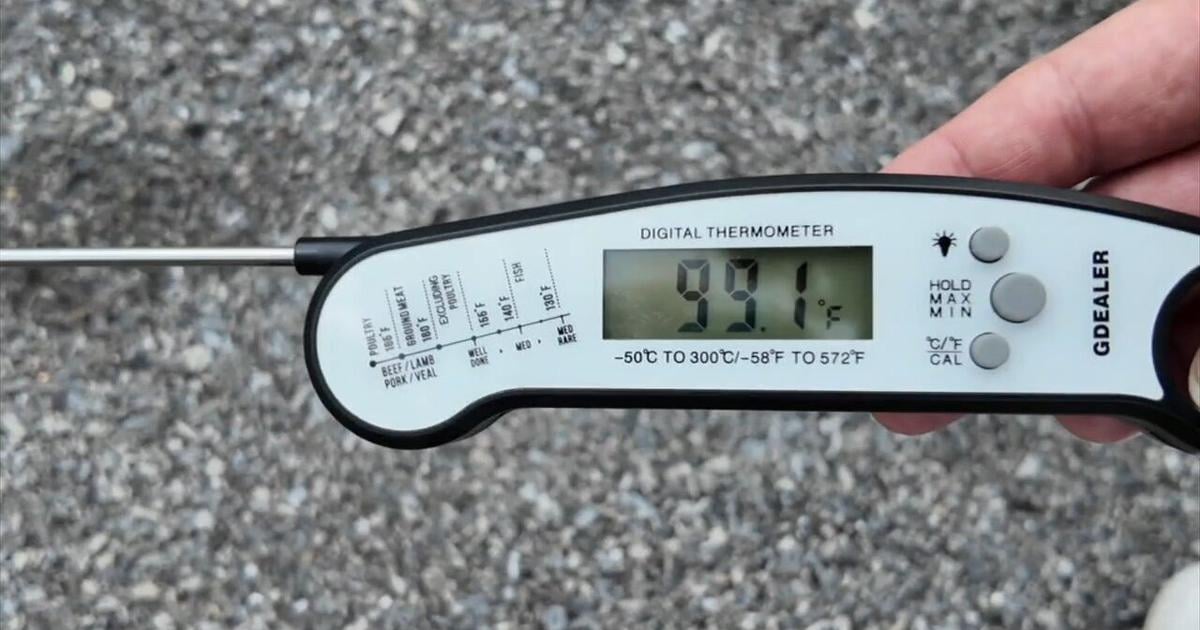
READING, Pa. – When the thermometer hits the 90 degrees or higher, not every neighborhood feels the same. In Reading, a few blocks can make all the difference.
Experts call it the “heat island effect.” Unshaded concrete, asphalt and buildings soak up the heat, and radiate it back into the air.
“Those dark surfaces are just sucking up the heat, and then it releases it at night, so we don’t get the cooling effect of the overnight hours,” said Bethany Ayers, Reading’s sustainability manager.
Ayers said urban areas can experience temperatures that are 15 to 20 degrees warmer than surrounding tree-covered areas.
“We’re more compact. We have more impervious surface, lots of rooftops,” Ayers said.
That extra heat isn’t just uncomfortable. It can increase the risk of heat-related illness, especially for older adults, young children and people without air conditioning.
“It can be fatal. Heat stroke can be a fatal condition,” Ayers said.
She said if you don’t have air conditioning, sleep in the lowest level of your home.
“Use fans,” she said. “You want to exhaust heat outside and help get some circulation going through the house.”
As this heat wave continues, where you spend your time may matter almost as much as the temperature itself.