
This is WESA Arts, a weekly newsletter by Bill O’Driscoll providing in-depth reporting about the Pittsburgh area art scene. Sign up here to get it every Wednesday afternoon.
The merger between Pittsburgh’s two largest theater companies is proceeding apace, with more news due at month’s end.
Leaders of the process to merge Pittsburgh Public Theater and Pittsburgh CLO announced last week that the merger ought to be a legal fact by July 31.
That’s also the date they’ve set to announce the merged group’s name, branding and website, as well as its inaugural 2027 season.
In a sit-down with WESA, merger transition leader Brett Crawford and Thomas McGough, who chairs the interim board of directors, sounded upbeat.
“I think our optimism and our momentum are growing daily,” said McGough, a former chief legal officer at UPMC with a long history of involvement with both troupes.
The road has been even rockier than one might have hoped for the two venerable theater companies whose financial struggles led to the merger talks in the first place.
In May, just days after the group announced its first joint programming, the Public’s board of directors laid off 11 administrative staffers.
While the transition team was not behind the layoffs, McGough said the reason for them was plain: The Public, with no new season planned, had no revenue to pay staffers.
“Unfortunately, it was handled badly,” says McGough. The laid-off workers, he says, had been led to believe a last-minute financial rescue was in the works.
In any case, the layoffs brought a wave of criticism from the local theater community and anxiety about the future.
Yet even as the CLO proceeds with its summer season of musicals, and both groups with their long-running youth education programs, plans for how the still-unnamed new entity will function are taking shape.
“I think everybody in Pittsburgh wants to see these organizations succeed,” Crawford says.
Crawford, a professor in Carnegie Mellon University’s graduate arts management program, says the transition team is creating a new organizational chart for the group. Once the merger is official and the programming announced, it will hire to fill those roles.
Crawford said last week she doesn’t know the number of open jobs, but added that neither company is working at full staff, so “there are empty places that are going to be filled.” She said staff should be in place by Sept. 1.
The interim board has 12 members, six appointed by each troupe. McGough, who says he will likely be named chair of that board as well, said the newly named group will post the job opening for a new president and executive director on Aug. 3. The board and whomever is hired for that role will be responsible for hiring for the key role of artistic director. (The interim artistic director is Kyle Haden.)
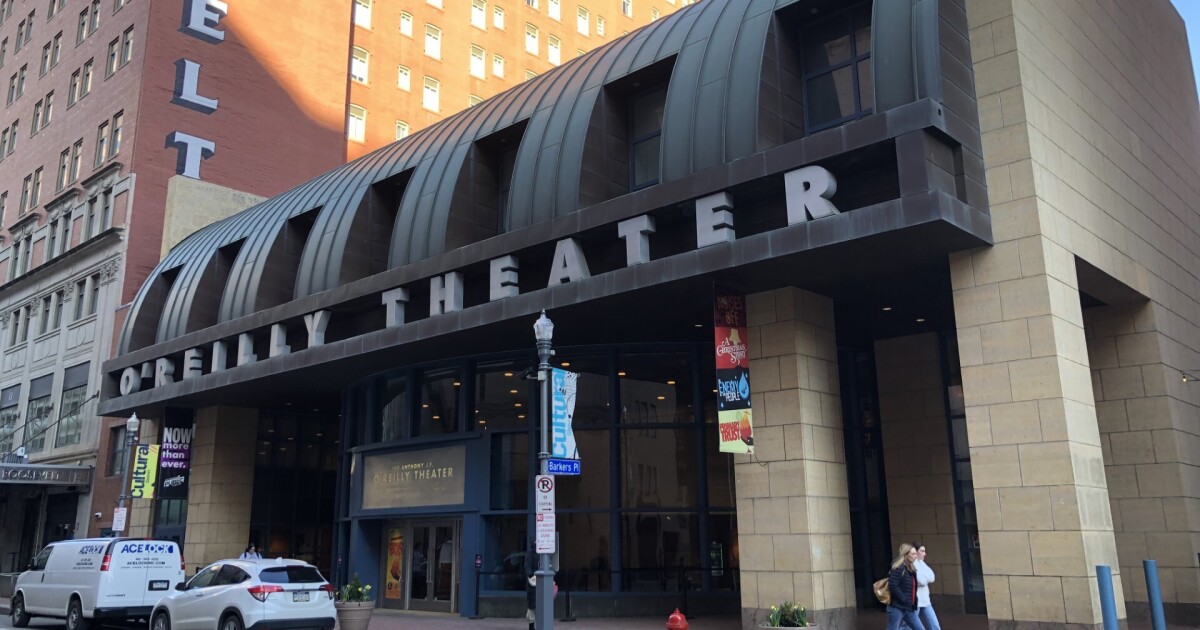
As for the basic artistic vision, the plan remains to carry forward, jointly, the legacy of the Public’s commitment to classics old and new and the CLO’s to musicals old and new — and to do it all Downtown, at venues like the Public’s longtime home at the O’Reilly Theater.
McGough and Crawford say they believe it’s a winning formula.
“We’re taking the time to build something that’s gonna last, as opposed to just jamming together two theater companies that were struggling,” McGough said.