
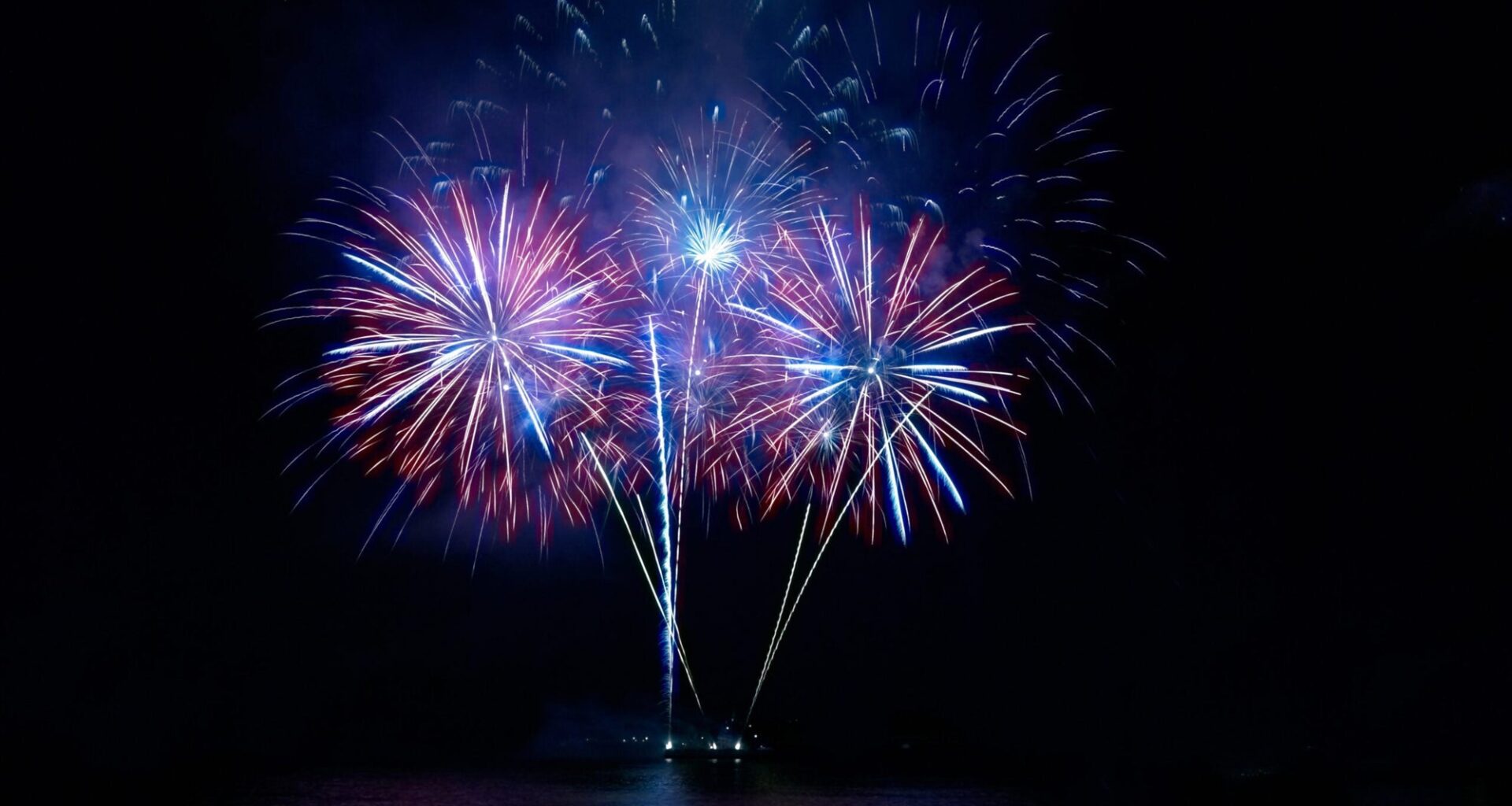
A new exhibition in Philadelphia is allowing visitors to explore the history and role of pyrotechnics.
Flash! Bang! Boom! A History of Fireworks at the Science History Institute in Philadelphia takes the public on a look at the colorful history of fireworks displays.
The exhibit traces the evolution from craft-based creation to computer-aided design, sequencing, and enhanced safety regulation in modern fireworks production and display planning. Artifacts on view include Siemienowicz’s Artis Magnae Artilleriae, a Zambelli lance-making machine, and promotional materials for early fireworks.
The exhibit runs through July 31, 2027.
Despite America’s longstanding history with fireworks, pyrotechnics can actually be traced back to ancient world cultures.
According to a Broad Street Review report, Italy played a pivotal early role, influencing stage fireworks and aerial displays through immigrants who brought these practices to the United States. China is highlighted as the birthplace of gunpowder and early firework devices. It remains a dominant player in the U.S. fireworks supply market.
The exhibit covers the shift of production to Chinese manufacturers since the 1970s, especially in Liuyang, Hunan, and features artist Cai Guo-Qiang, who uses gunpowder and fireworks in art.
Advances in chemistry have expanded the range of colors and sounds in displays, from black powder to additives such as potassium chlorate and barium nitrate.
Safety and regulation have long governed pyrotechnics. Agencies including the American Pyrotechnic Association, CPSC, OSHA, DOT, and ATF enforce current standards for fireworks operations. International testing has grown with the American Fireworks Testing Laboratory since 1989.