
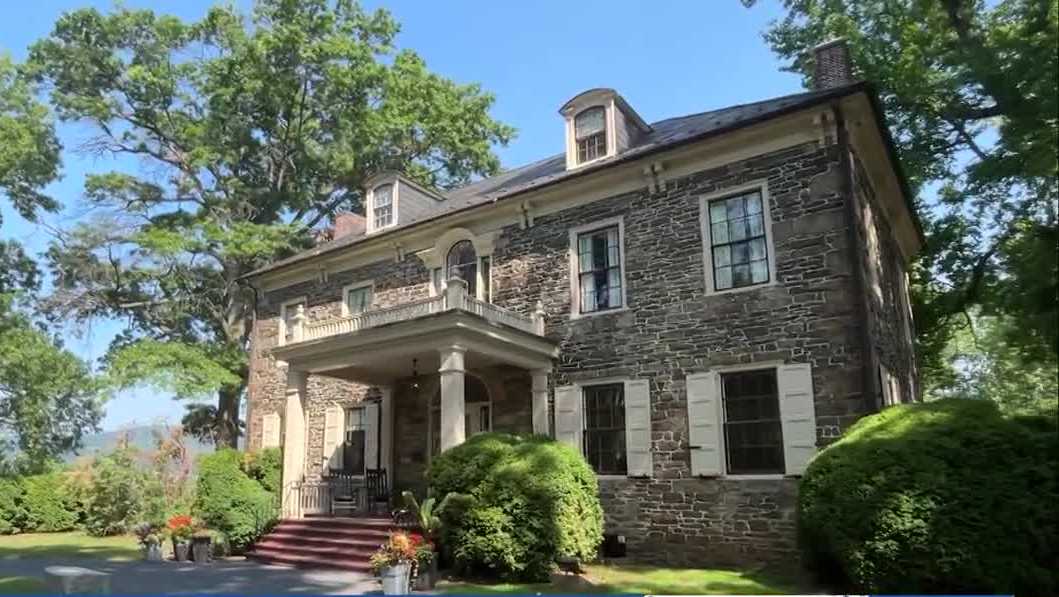
200 YEARS OF HISTORY. ALONG THE SUSQUEHANNA RIVER, JUST NORTH OF HARRISBURG AND UP FRONT STREET SITS A PIECE OF HISTORY FIRST BUILT IN THE 1750S. AT THE TIME OF THE FRENCH AND INDIAN WAR, THE ENGLISH PUT UP A BUNCH OF FORTS ALL UP AND DOWN THE SUSQUEHANNA RIVER FORTS, PROTECTING THE ENGLISH, LIVING ALONG THE SUSQUEHANNA RIVER, BIRTHED FROM THAT FORT HUNTER ORIGINALLY KNOWN AS THE FORT AT HUNTER’S MILL. DAVID MARSDEN FROM THE HISTORIC HARRISBURG ASSOCIATION TOOK ME THROUGH FORT HUNTER. NOW THIS BUILDING HERE, THAT’S PROBABLY FROM THE MID 20TH CENTURY. THE FRIENDS AT FORT HUNTER NOW MAINTAIN THE NEARLY 200 ACRES OF LAND. WITHIN SITS THE MANSION WHERE FAMOUS HARRISBURG FAMILIES LIVED. LIKE THE BOAS’S, THE RILEY’S AND MCALLISTER’S. IF THEY RING A BELL, SOME HARRISBURG STREETS ARE NAMED AFTER THEM. THE MANSION HAS ALL THE. THE DISHES AND POTS AND PANS AND EVERYTHING THAT. IT WOULD HAVE HAD ORIGINAL. TO THE FAMILY. YOU GO UPSTAIRS AND YOU OPEN UP THE CLOSETS AND THE BEDROOM DRAWERS AND. AND THERE’S ALL THIS VICTORIAN CLOTHING THAT’S BEEN THERE FOR OVER 100 YEARS. THE MANSION FIRST BECAME A HOME IN 1786 TO ARCHIBALD MCALLISTER, STARTING AS A CABIN AND THE STONE FRONT BEING BUILT IN 1814, AND THE HISTORY PRESERVED HERE AT FORT HUNTER. THAT ENGLISH STYLE BARN, BUILT BACK IN 1810. BUT RIGHT NEXT TO IT, THE TAVERN IN 1820, PRESERVED TO LOOK LIKE IT C1 BARN, BUILT C1 CENTURY, HARRISBURGSUDDENLY BECAME MORE IMPORTANT. C1 FORT C1 ROUTE THAT SHORTENEDTHE C1 ANDAS C1 ASPECTS O
Fort Hunter showcases centuries of Pennsylvania history along the Susquehanna River

Updated: 6:05 PM EDT Jul 3, 2026
Fort Hunter, a historic site along the Susquehanna River just north of Harrisburg, preserves over 250 years of Pennsylvania history, offering visitors a glimpse into the region’s past. “At the time of the French and Indian War, the English put up a bunch of forts all up and down the Susquehanna River,” said David Morrison, executive director of the Historic Harrisburg Association. Originally known as the Fort at Hunter’s Mill, the site was part of a network of forts built in the 1750s to protect English settlers during the war. “They lasted just long enough for the war,” Morrison said. Historic buildings and family lifeToday, the Friends of Fort Hunter maintain the nearly 200-acre property, which includes a mansion that housed prominent Harrisburg families such as the Boas, Reilys, and McAllisters. Many Harrisburg streets are named after these families. “The mansion has all the dishes and pots and pans and everything that it would have had original to the family. You go upstairs and you open up the closets and the bedroom drawers, and there’s all this Victorian clothing that’s been there for over 100 years,” Morrison said. The mansion, which began as a cabin in 1786, was expanded with a stone front in 1814. Other preserved structures on the property include an English-style barn built in 1810, a tavern from 1820, and the Centennial Barn, constructed in 1876 to commemorate the 100th anniversary of the Declaration of Independence. “And the history preserved right here at Fort Hunter. That English-style barn built back in 1810, but right next to it, the tavern in 1820, preserved to look like it was still in the 1870s. And then this barn here behind me, they call it the Centennial Barn, built in 1876, 100 years after the Declaration of Independence,” said WGAL News 8 reporter AJ Sisson. Fort Hunter’s broader significanceAs Harrisburg grew into Pennsylvania’s state capital in the early 19th century, Fort Hunter became a hub of activity. “Harrisburg suddenly became more important. It grew. And then the canal came through,” Morrison said. The Pennsylvania Canal, completed in 1833, runs through Fort Hunter, shortening the travel time between Philadelphia and Pittsburgh from three months to three weeks. “It has different elements from different time periods that showcase so many different aspects of early American life through the centuries,” Morrison said. “I don’t know of another place in Pennsylvania that tells as many different things of our history as this complex does.” Fort Hunter is open for tours, allowing visitors to experience its rich history firsthand.
Fort Hunter, a historic site along the Susquehanna River just north of Harrisburg, preserves over 250 years of Pennsylvania history, offering visitors a glimpse into the region’s past.
“At the time of the French and Indian War, the English put up a bunch of forts all up and down the Susquehanna River,” said David Morrison, executive director of the Historic Harrisburg Association.
Originally known as the Fort at Hunter’s Mill, the site was part of a network of forts built in the 1750s to protect English settlers during the war. “They lasted just long enough for the war,” Morrison said.
Historic buildings and family life
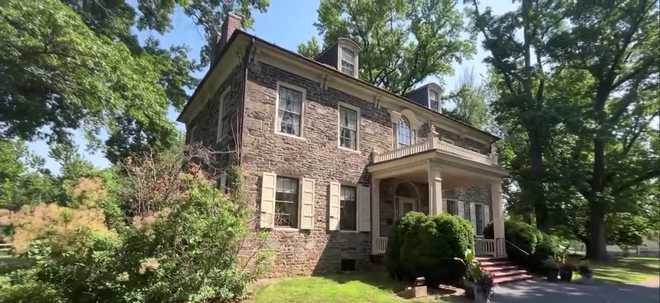
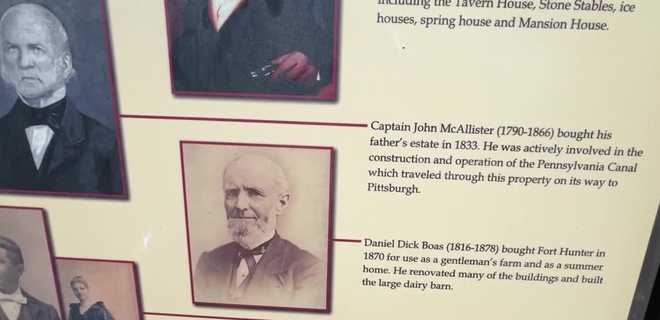
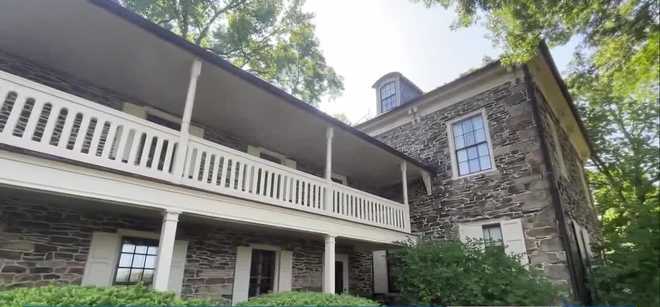
Today, the Friends of Fort Hunter maintain the nearly 200-acre property, which includes a mansion that housed prominent Harrisburg families such as the Boas, Reilys, and McAllisters. Many Harrisburg streets are named after these families.
“The mansion has all the dishes and pots and pans and everything that it would have had original to the family. You go upstairs and you open up the closets and the bedroom drawers, and there’s all this Victorian clothing that’s been there for over 100 years,” Morrison said.
The mansion, which began as a cabin in 1786, was expanded with a stone front in 1814. Other preserved structures on the property include an English-style barn built in 1810, a tavern from 1820, and the Centennial Barn, constructed in 1876 to commemorate the 100th anniversary of the Declaration of Independence.
“And the history preserved right here at Fort Hunter. That English-style barn built back in 1810, but right next to it, the tavern in 1820, preserved to look like it was still in the 1870s. And then this barn here behind me, they call it the Centennial Barn, built in 1876, 100 years after the Declaration of Independence,” said WGAL News 8 reporter AJ Sisson.
Fort Hunter’s broader significance
As Harrisburg grew into Pennsylvania’s state capital in the early 19th century, Fort Hunter became a hub of activity. “Harrisburg suddenly became more important. It grew. And then the canal came through,” Morrison said.
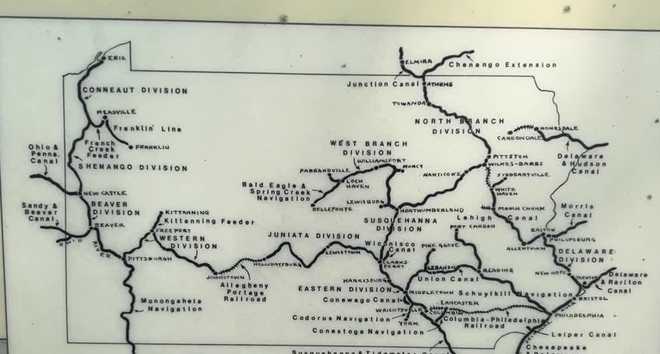
The Pennsylvania Canal, completed in 1833, runs through Fort Hunter, shortening the travel time between Philadelphia and Pittsburgh from three months to three weeks.
“It has different elements from different time periods that showcase so many different aspects of early American life through the centuries,” Morrison said. “I don’t know of another place in Pennsylvania that tells as many different things of our history as this complex does.”
Fort Hunter is open for tours, allowing visitors to experience its rich history firsthand.