
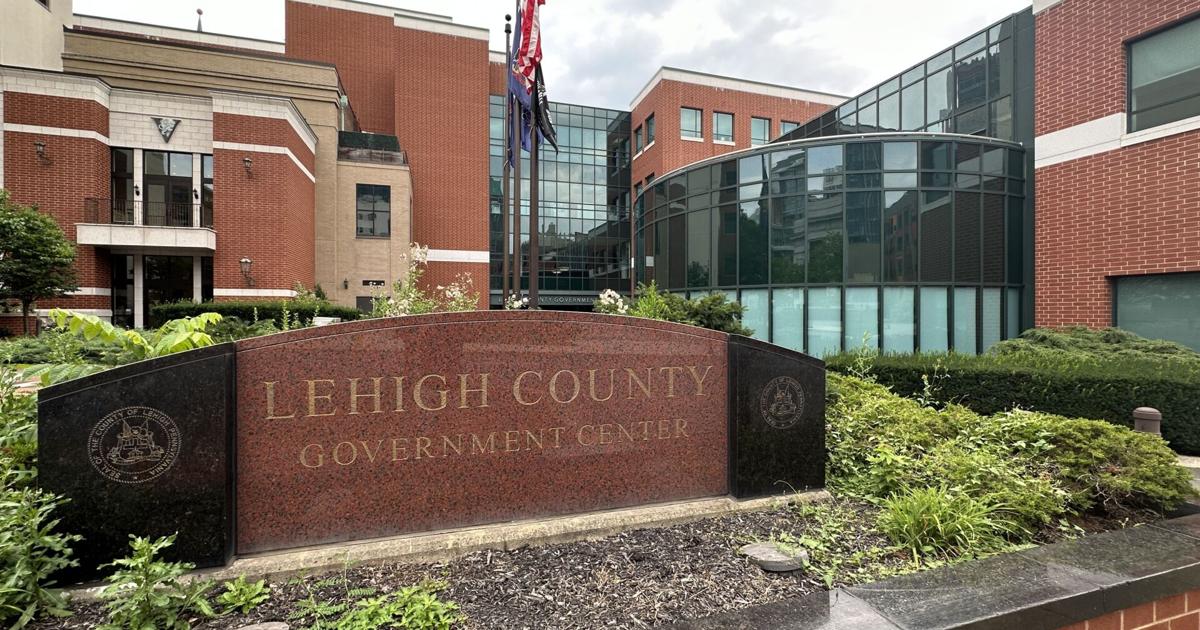
ALLENTOWN, Pa. – After hours of debate and nearly two dozen public comments, a proposed Lehigh County policy outlining how county employees should respond to interactions with federal immigration officials failed Wednesday in a divided Lehigh County Board of Commissioners’ vote.
The 4-4 vote showed Commissioners Sheila Alvarado, Ron Beitler, Dan Hartzell and Antonio Pineda voting against the measure, while Commissioners Zach Cole-Borghi, Sarah Fevig, Jon Irons and April Riddick voted in favor.
Chair Geoff Brace was absent.
Sponsored by Commissioners Irons and Cole-Borghi, the proposal sought to establish procedures for county employees interacting with federal immigration agencies, including U.S. Immigration and Customs Enforcement.
The resolution stated that county employees are not responsible for enforcing federal immigration law and required employees to immediately notify the county solicitor if approached by immigration officials seeking access to nonpublic areas or confidential information.
Under the policy, employees would have been directed not to determine the validity of warrants or other legal documents themselves.
“This is not a ‘gotcha’ resolution,” said County Executive Josh Siegel.
Instead, he argued that the legislation would protect employees from being placed in situations where they’re evaluating a warrant’s validity.
“We protect county employees through this legislation,” Siegel said.
The resolution cited increased federal immigration enforcement activity in the Lehigh Valley and said county employees should have clear guidance while protecting the rights of residents and complying with state and federal law.
The policy would have applied to departments under the county executive while excluding judicial offices and the Department of Corrections.
Irons said the proposal had been substantially revised after commissioners delayed action at the previous meeting to address concerns raised by board members and county employees.
“The deferral from last week is addressing some of the concerns brought up from board feedback,” Irons said. “It comes to a better policy that clarifies and makes it easier for county employees.”
He said the revised version removed language requiring frontline employees to determine what information could be disclosed, instead directing them to contact the county solicitor immediately whenever questions arose.
“Where we’re obligated under federal law, we’ll comply,” Irons said. “This policy puts our legal department in that process so we’re complying where we need to and not creating undue risk to the county.”
Cole-Borghi echoed Irons’ remarks, saying he supported the revised language and believed the legislation had been strengthened through the amendment process.
Fevig said the policy was intended to protect county employees from being forced to make legal decisions outside their expertise.
“This is not a decision a frontline employee should have to make,” Fevig said. “The only obligation of the frontline employee is to send it to the legal department.”
She said the revisions created a consistent process for every county department while ensuring the county would continue cooperating with federal authorities where required by law.
Opponents questioned both the substance of the policy and the timing of the vote.
Pineda argued the measure amounted to a noncooperation policy and said county employees should comply immediately with lawful warrants.
“If a law enforcement officer comes with a warrant, you do what the warrant says to do,” Pineda said. “If you say you have to talk to an attorney, that is obstruction.”
He argued the policy could expose employees to unnecessary legal risk and said judicial and administrative warrants should be treated the same.
Beitler said he was uncomfortable voting on legislation he’d received less than a day before the meeting.
“I got the updated revision yesterday,” Beitler said. “I need more than 24 hours.”
Although he said sensible policies should exist for interactions with all federal agencies, Beitler questioned whether the proposal unnecessarily singled out Immigration and Customs Enforcement.
The proposal drew extensive public comment from supporters and opponents.
Supporters said the policy would protect county workers, preserve constitutional due process and encourage immigrant residents to seek county services and report crimes without fear.
One resident said routing immigration requests through the county solicitor would provide employees with “a clear conscience to do their job” while improving public safety.
The Rev. Jon Stratton, dean of the Cathedral Church of the Nativity, called the proposal “the right thing” and urged commissioners to send a clear message that immigrants’ lives matter.
Other commenters said the policy would demonstrate the county’s commitment to due process while improving trust between residents and local government.
Further, supporters argued the proposal did not prevent federal immigration enforcement but instead ensured county employees followed a consistent legal process.
Opponents contended the policy could expose the county to lawsuits, delay law enforcement actions and create confusion for county workers.
Jeff Barber of North Whitehall Township said commissioners should focus on county issues rather than national immigration policy and warned the proposal could place an unnecessary burden on employees.
Luis Garcia, a member of the Army National Guard, urged commissioners to reject the resolution, arguing it would divide the community and undermine the rule of law.
Following the tie vote, the resolution failed.