
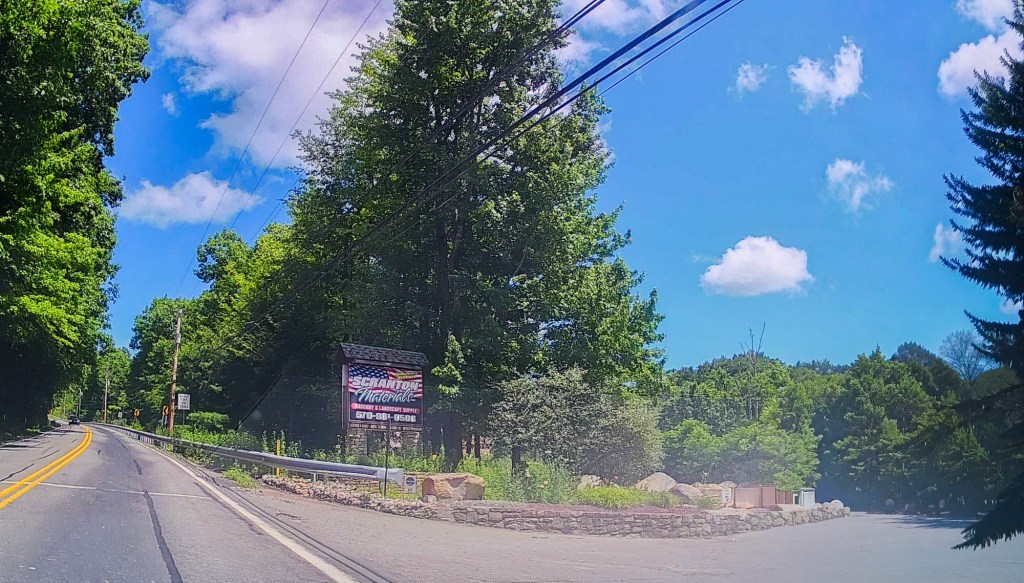
A Lackawanna County judge ruled a Scranton woman can legally oppose plans for a data center campus in a neighboring municipality — a decision that may set a precedent as opposition to data centers in Lackawanna County intensifies.
Meanwhile, her attorney is asking the county Court of Common Pleas to dismiss an appeal by the developer of the proposed project in Ransom Twp.
Judge Margaret Bisignani Moyle granted a petition last month filed by attorney Laura McGarry on behalf of her mother, Susan Magnotta, to intervene in the appeal filed by Scranton Materials over the township’s rejection of its plans for a data center earlier this year.
McGarry argued her mother should have standing to intervene based on the proposed data centers’ proximity to her home, with the campus about two-thirds of a mile from where Magnotta resides on Fawnwood Drive in Scranton’s Keyser Valley section.
The project will negatively affect the already overtaxed stormwater runoff system, causing more water to run onto Magnotta’s property, McGarry contended. It will also create pollution; strain the local water and electric supply grid; increase prices for water and electricity consumption; threaten local wildlife, and decrease property values.
Ransom Twp. does not oppose Magnotta’s intervention, but Scranton Materials argued she does not have standing, in part because she does not live in the township.
McGarry, who also lives in Keyser Valley, filed the petition in the spring in response to Scranton Materials’ appeal after Ransom Twp. rejected its data center plans. Scranton Materials argues in its appeal that the township must legally allow data centers and the township supervisors acted improperly and resisted the advice of their solicitor when they dismissed the application for a zoning change that would have allowed the data center campus.
A request to rezone
Scranton Materials filed a curative amendment, which challenged the validity of the township’s zoning ordinance, in November to create a data center district encompassing its 251-acre property. The township supervisors voted in January to dismiss the proposed changes due to lack of testimony and evidence from Scranton Materials.
McGarry argues in legal paperwork that Scranton Materials’ application wasn’t a curative amendment, but a request to rezone the property, which is a legislative function of the municipal governing body and not subject to a judicial review.
A landowner wishing to challenge the township’s zoning ordinance has to submit the challenge and the reasons for it to the zoning board or the governing body, along with a request for a curative amendment, a hearing on the challenge and an amendment, McGarry contends. The challenge should also include plans and explanatory materials describing the use or development proposed by the landowner in lieu of the use or development, she added.
McGarry argues that unless the governing body is specifically advised that the curative amendment or challenge procedure is invoked, it must view the application as a simple rezoning request, and the governing body’s decision to grant or deny it is not subject to judicial review.
Scranton Materials didn’t indicate in the application whether any zoning relief was sought, nor does it have any statements that it sought a curative amendment or invalidation of the township’s zoning ordinance, or a copy of a proposed data center amendment, she added. The application stated only the site’s current use as a quarry in an S-1 zoning district, proposed use as a data center, and that the current zoning ordinance does not provide for data centers as a use and proposed zoning change via overlay.
The application didn’t contain a notice that it was a challenge to the validity of the zoning ordinance, a written request that a challenge or curative amendment be heard, any plans or materials describing the use or development, or a proposed amendment, McGarry continued. Notices for the hearings on the data center plans earlier this year also don’t mention challenges to the zoning or a proposed amendment, she added.
McGarry appeared on behalf of Magnotta at hearings and requested the supervisors make the motion to deny the zoning change. Magnotta had no standing in the proceeding because she doesn’t live close enough to Scranton Materials’ property, and McGarry did not disclose that Magnotta lives in Scranton, the developer’s appeal states.
Scranton Materials planned to build a data center campus with six buildings, each with a 156,648-square-foot footprint, with two stormwater management ponds, each containing around 8 million gallons of water.
The developer appealed the decision and filed a second lawsuit seeking a declaratory judgment against the board earlier this year. The second lawsuit remains ongoing.