
After days of heavy rain, volunteers at Homefields Farm in Pennsylvania are working to address flooding issues while learning how to better protect their crops in the future.Storm challenges for farmers“It’s very frustrating,” said volunteer Allison Hawthorne. “We can’t plan for the weather.” Hawthorne said one of the biggest concerns after the storms is flooding, which can wash away the nutrients crops need to grow. “Good and healthy, nutritious food starts with soil,” she said. Greg Martin, a Penn State extension educator, said erosion is one of the most significant problems farmers face after heavy rain. He stressed the importance of proper drainage to limit damage. “Making sure everything drains appropriately and correctly, so that you’re directing the water where you want it to go, not where it wants,” Martin said. Monitoring damage and adjustingAt Homefields Farm, volunteers spent the weekend monitoring rainfall and identifying areas where water collected the most. “So we can see in real time where this water is accumulating. That will help us make an adjustment for crop placement,” Hawthorne said.Preparing for future stormsThe farm’s next step is moving vulnerable crops to higher ground. Volunteers are also planting more native species in lower-lying areas, as these plants can absorb and retain more water, helping protect nearby crops from future flooding. As farmers continue recovering from the storms, volunteers said the lessons learned now will help make the farm more resilient before the next round of heavy rain.
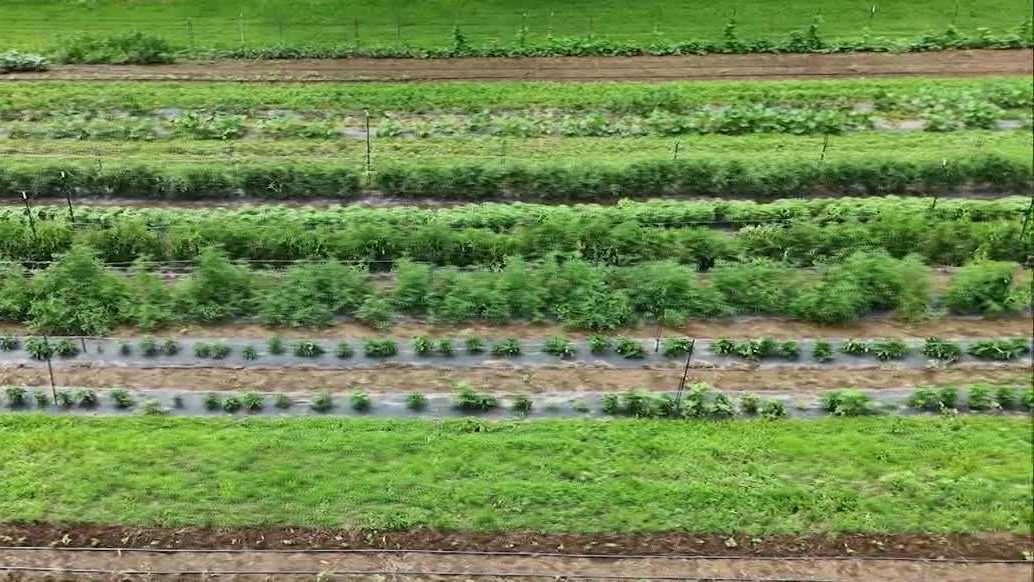
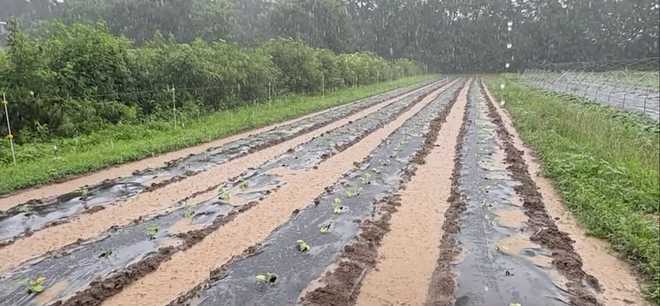
After days of heavy rain, volunteers at Homefields Farm in Pennsylvania are working to address flooding issues while learning how to better protect their crops in the future.
Storm challenges for farmers
“It’s very frustrating,” said volunteer Allison Hawthorne. “We can’t plan for the weather.”
Hawthorne said one of the biggest concerns after the storms is flooding, which can wash away the nutrients crops need to grow.
“Good and healthy, nutritious food starts with soil,” she said.
Greg Martin, a Penn State extension educator, said erosion is one of the most significant problems farmers face after heavy rain. He stressed the importance of proper drainage to limit damage.
“Making sure everything drains appropriately and correctly, so that you’re directing the water where you want it to go, not where it wants,” Martin said.
Monitoring damage and adjusting
At Homefields Farm, volunteers spent the weekend monitoring rainfall and identifying areas where water collected the most.
“So we can see in real time where this water is accumulating. That will help us make an adjustment for crop placement,” Hawthorne said.
Preparing for future storms
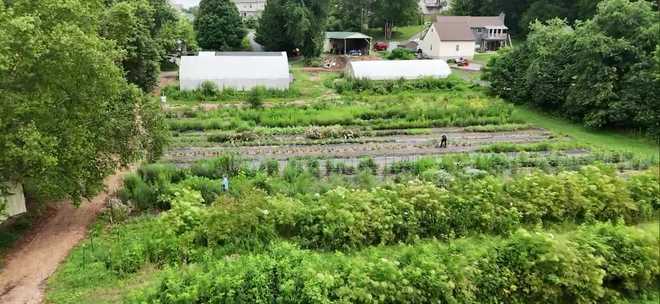
The farm’s next step is moving vulnerable crops to higher ground. Volunteers are also planting more native species in lower-lying areas, as these plants can absorb and retain more water, helping protect nearby crops from future flooding.
As farmers continue recovering from the storms, volunteers said the lessons learned now will help make the farm more resilient before the next round of heavy rain.