
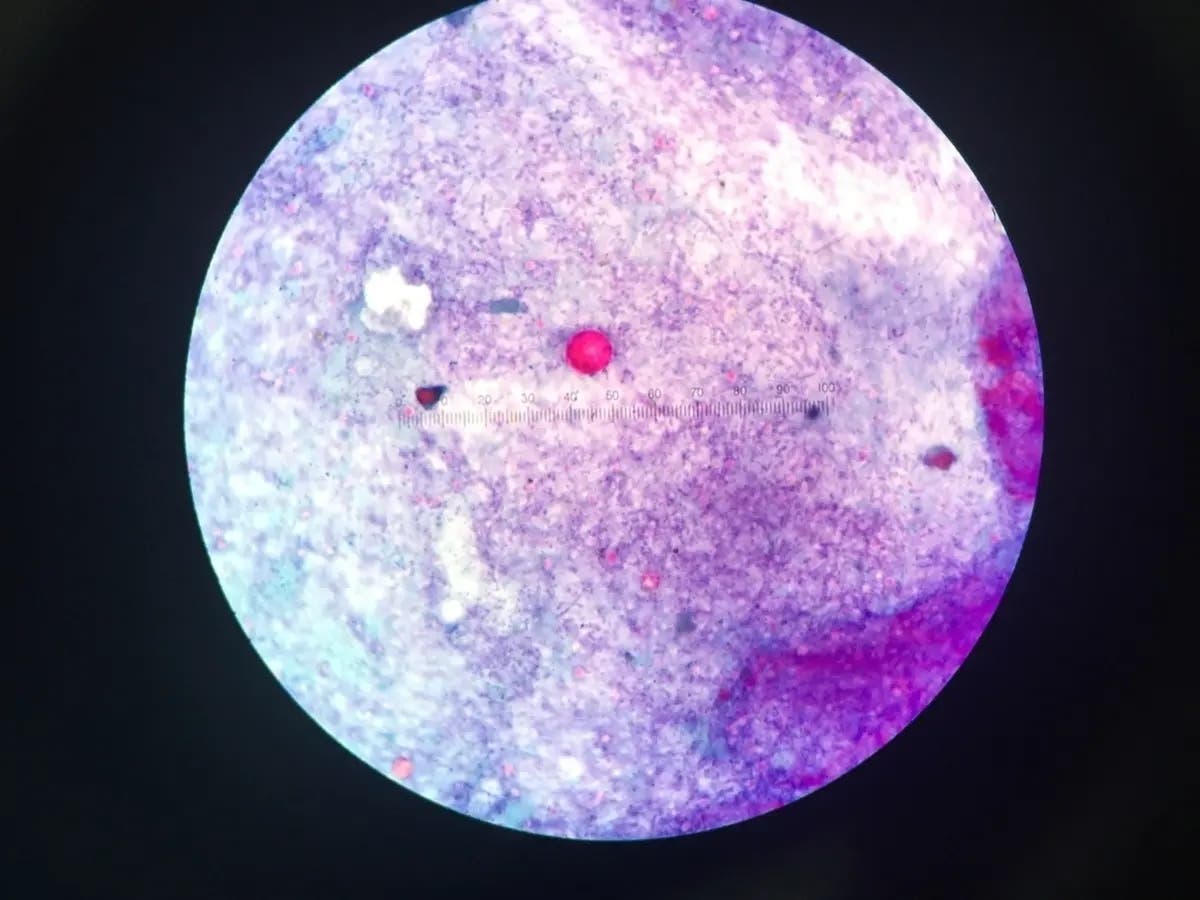
There are several reasons it’s challenging to know the exact toll, Melanie Firestone, a University of Minnesota foodborne illness researcher, told the AP. Some tests used to check for types of food poisoning are not geared to detect cyclospora, “so there is a lot of underreporting when it comes to this,” she said.
Other challenges: Technicians aren’t able to grow the parasite in labs, making it hard to draw evidence from contaminated produce. And it can be hard to figure out what food sick people had in common, because sometimes it’s a single ingredient that might be common in multiple recipes — like basil or cilantro.
Also, it’s possible that food distributors may channel contaminated foods to both grocery stores and restaurants, making it hard to discern where tainted food came from. Investigations can take months and sometimes never find a clear source.
2. Why Hasn’t Anything Been Recalled?
No recall has been issued because investigators still haven’t identified the food responsible for the outbreak.
Unlike outbreaks linked to a single packaged product, cyclospora outbreaks often involve fresh produce with a relatively short shelf life. By the time illnesses are reported, patients are interviewed, laboratory testing is completed and investigators identify foods people ate weeks earlier, the suspected produce is often no longer in stores or restaurants.