
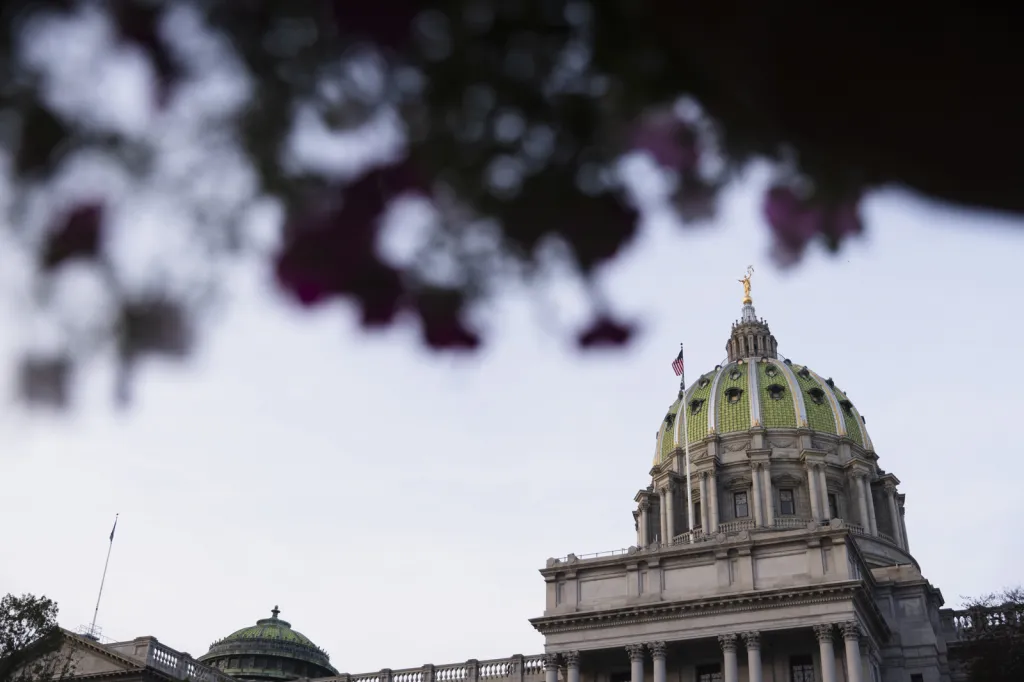
Pennsylvania has a new budget.
Sunday afternoon — almost two weeks after its June 30 due date — the state Legislature passed a $50.8 billion spending plan, which was quickly signed by Gov. Josh Shapiro.
The budget includes new investments in education; provides a pension boost to thousands of retired school, state and emergency response workers; expands workforce development initiatives; and increases support for children and families.
The plan also preserves the state’s nearly $8 billion rainy day fund.
Here’s what lawmakers who represent Berks County are saying about the spending plan:
Sen. Judy Schwank, a Wyomissing Democrat
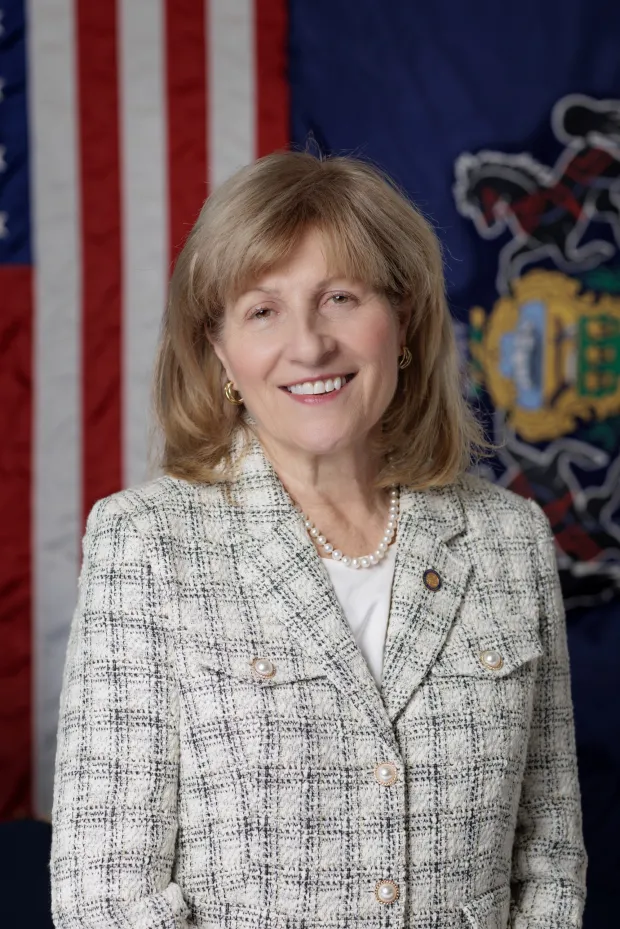 State Sen. Judy Schwank
Schwank, a member of the Appropriations Committee, said the Legislature was able to come together in a bipartisan manner to pass a budget that cuts taxes, invests in schools, supports seniors and promotes economic development.
In a video posted online shortly after the spending plan was passed, the senator said she was pleased to support an additional $900 million for education, a $30 million investment in the Child Care Staff Retention and Recruitment Program and an increase in the reimbursement rate to nursing homes across the state.
But there was one issue she highlighted as particularly important.
Schwank said she was happy the budget provides a long-overdue cost of living adjustment for retired school, state and emergency response workers, noting that they had not received a pension boost since 2002.
“They had been asking for a modest increase in their pensions,” she said. “This year, finally, we were able to provide them with a cost-of-living increase. So I’m very, very pleased about that.”
Sen. Tracy Pennycuick, a Montgomery County Republican
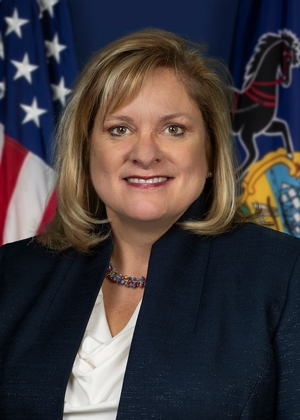 State Sen. Tracy Pennycuick
Pennycuick, who voted for the budget, said the budget respects taxpayers, expands educational opportunities and protects the most vulnerable citizens.
“I’m pleased to report that after many months of meetings, we were able to negotiate a more reasonable spending plan with no tax increases on Pennsylvania families or businesses,” she said in a statement.
She said the budget protects the state’s rainy day fund to hedge against any economic downturn in the future, helping stabilize the commonwealth’s fiscal foundation with an estimated ending balance approaching $8 billion.
Pennycuick said she’s proud to report that her legislation to provide a much-deserved cost-of-living adjustment for police and firefighters is included in the budget.
“The last time they received a COLA was more than two decades ago and every year since, inflation and rising costs have diminished the benefits they earned,” she said. “These brave men and women have spent their careers putting their lives on the line to keep our communities and neighborhoods safe. It’s time we acknowledge their contribution to our society.”
She touted that significant new funding is devoted to basic education, with substantial resources dedicated to the Ready to Learn Block Grant program, school facility improvements and Pre-K Counts Program.
“Importantly, the budget also maintains funding to empower parents and families to ensure students can learn in the environment that best meets their individualized educational needs providing available tax credits at $680 million for the highly successful Educational Improvement Tax Credit program,” she said.
The budget also increases funding for special education, early intervention services and career and technical education.
“I believe this budget reflects the value of working together in a divided government,” she said. “It delivers meaningful victories for Pennsylvania families while maintaining a responsible approach to our state’s finances.”
Sen. Scott Martin, a Lancaster County Republican
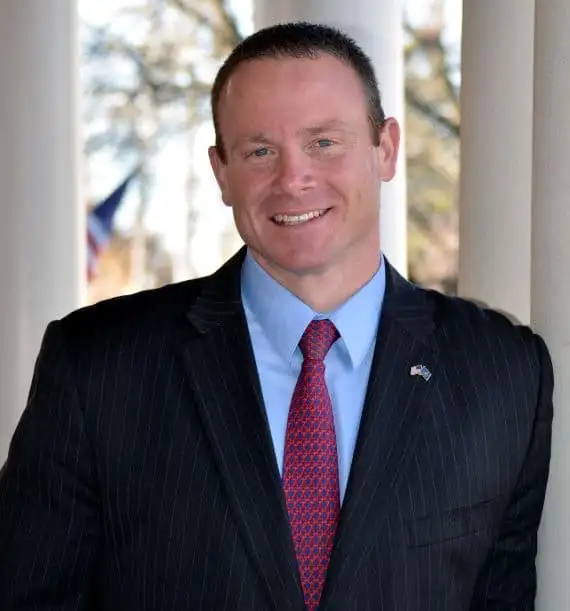 State Sen. Scott Martin
Martin, chairman of the Appropriations Committee, said the fiscally responsible state budget stands up for taxpayers, doesn’t raise taxes on Pennsylvania families and supports affordability and job growth.
Martin, who voted for the budget, said he’s pleased the final agreement negotiated by Republicans in the Senate cut more than $1.1 billion from the governor’s spending request and will not require any withdrawals from the Rainy Day Fund, setting the state on a more sustainable path and avoiding potential bond downgrades and higher debt costs.
“Going into this year’s budget negotiations, our top priorities were protecting our fiscal stability, setting up the state to avoid devastating tax increases on Pennsylvania families and positioning our commonwealth for growth,” Martin said. “Senate Republicans achieved all these goals in this budget.
“We still certainly have work to do in the years ahead to maintain fiscal responsibility, but I am grateful we identified numerous improvements to the spending plan Gov. Shapiro presented in February so we can strengthen our economy with pro-growth policies that will build a stronger future.”
Sen. Chris Gebhard, a Lebanon County Republican
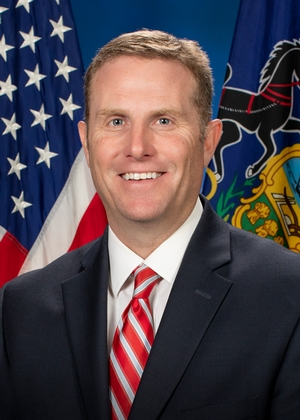 State Sen. Chris Gebhard
Gebhard, who voted for the budget, said that over the course of many months, Senate Republicans worked hard within the constraints of a divided government to create a responsible plan that protects taxpayers, prevents new tax hikes and safeguards the state’s financial future.
“Over the last two years, Senate Republicans have taken action to safeguard taxpayer funds by reclaiming $4.5 billion from prior-year budgets, lapsed funds and other accounts, ensuring this money can be utilized to support state government programs instead of sitting idle in government accounts,” he said in a statement.
He said Senate Republicans have also identified and cut more than a billion dollars in overspending proposed in the Department of Human Services over two years, and more than $100 million in unnecessary spending in the Department of Corrections.
“The Senate’s operating lines were flat funded and nearly half of government agency line items were either level funded or reduced.”
Gebhard highlighted a $10 million increase in career and technical education funding and $10 million in new funding for Grow PA, a program that provides grants to students who pursue training for careers in high-demand industries and agree to live and work in Pennsylvania.
He also touted rate increases for long-term health care providers, additional funding for nursing homes, $10 million for fruit growers who experienced crop losses after the historic spring freeze and an additional $12 million for rape crisis centers.
Sen. Katie Muth, a Chester County Democrat
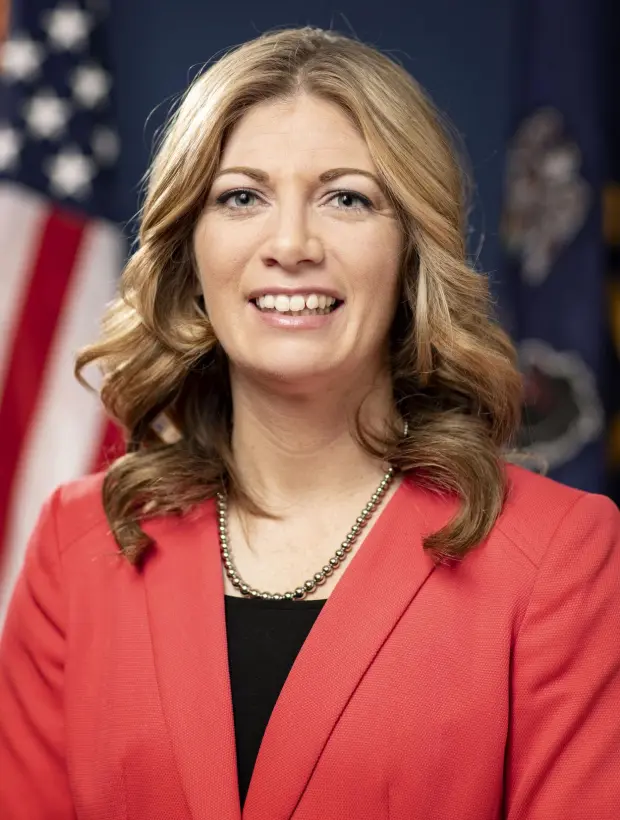 State Sen. Katie Muth
Muth said that while she could not vote for the spending plan, there were some items that she supported.
She said there were two provisions included in the legislation that she fought for over multiple legislative sessions, and she’s grateful they finally crossed the finish line — the long-overdue cost-of-living adjustment for more than 55,000 retired public servants and increases to a program that gives first responders better access to funding they need for equipment and facilities.
But, she said, she could not ignore what the bill failed to do.
“It strips local governments of their ability to adopt stronger protections against food processing residuals being spread in their communities,” she said. “It continues directing millions of taxpayer dollars toward preparing industrial sites for massive private development, including data centers, while doing nothing to establish meaningful health and environmental protections.
“Pennsylvanians deserve more than policies negotiated behind closed doors and buried in a 195-page fiscal code bill,” she continued. “They deserve transparency. They deserve local control. And they deserve a government that invests in protecting their health, homes, water and quality of life just as aggressively as it invests in attracting billion-dollar industries.”
Rep. Eric Weaknecht, a Lower Heidelberg Township Republican
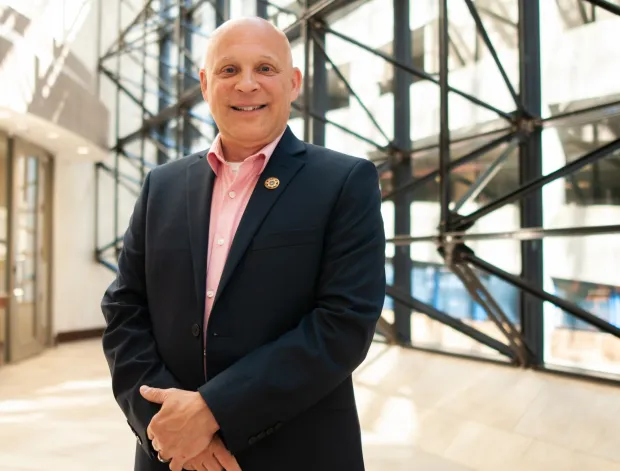 State Rep. Eric Weaknecht
Weaknecht, who voted against the budget, issued this statement:
“After reviewing the budget, I believe it contains some positive provisions, such as curbing drastic spending increases proposed by the governor and approved by House Democrats.
“However, I feel the negatives outweigh the positives. There are significant concerns with the level of spending, the reliance on projected revenues and the lack of focus on several key priorities.
“This budget also defers $1.2 billion in payments that were due this year and won’t be paid until next year and fails to address the structural deficit that remains around $5 billion.
“For those reasons, I voted no on the budget.”
Rep. Manny Guzman, a Reading Democrat
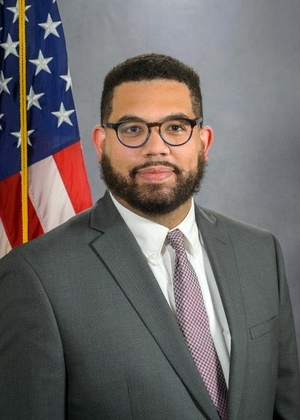 State Rep. Manny Guzman
Guzman, who supported the budget, issued this statement:
“I’m proud to share that Pennsylvania’s 2026-27 state budget has been approved and will deliver important investments for Reading and Berks County.
“This budget invests in stronger public schools, affordable housing, tax relief for working families, public safety, mental health, job creation and access to healthcare, all without raising taxes.
“There is still more work ahead, but I remain committed to fighting for the resources our communities deserve and delivering results.”
Rep. Mark Gillen, a Robeson Township Republican
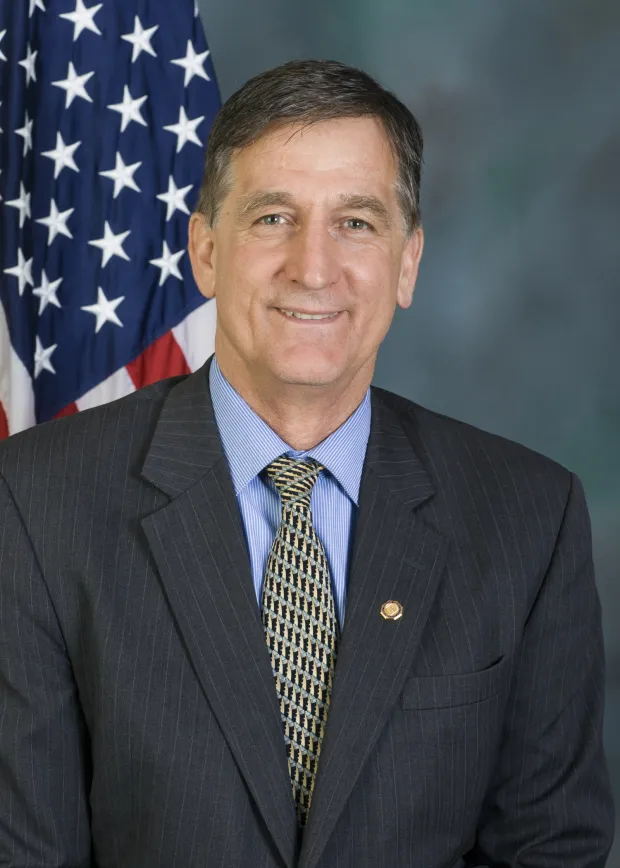 State Rep. Mark Gillen
Gillen, who voted for the spending plan, issued this statement:
“This budget season evolved from an unsustainable spending proposal to a finished product that preserves our commonwealth’s $8 billion state savings account.
“There are millions of dollars in this budget that will specifically come back to Berks County for road and bridge repairs that I will be identifying with PennDOT.
“The fact that we were able to come to an agreement on no new taxes and a tax cut is significant. The education dollars going to our schools are robust and will help limit property tax increases until we can eventually put the issue of elimination before the voters via referendum.
“The electorate has chosen a divided government in Pennsylvania, and while there are differences in budgeting approaches, there is little difference on issues such as helping frail elderly retired teachers, increasing investments in career and technical education and preserving school choice.
“The commonwealth still has much financial work to do on addressing our structural deficit. As a government, we must recommit to living within our means, just as our families in the community do every day.
“Our state Rainy Day Fund is earning hundreds of millions of dollars for us in interest each year. Spending that account down for one-time expenses is unwise, and I have resisted such efforts this year, and I will continue to do so.”
Rep. Johanney Cepeda-Freytiz, a Reading Democrat
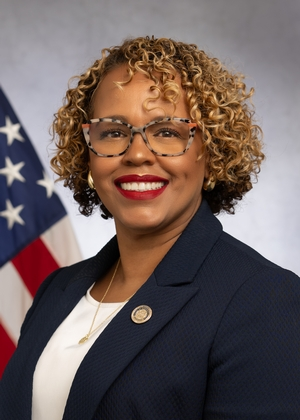 State Rep. Johanny Cepeda-Freytiz
Cepeda-Freytiz, who voted for the budget, issued this statement:
“Today, I voted to pass a budget that will provide hundreds of millions in new funding to schools across our state.
“In addition to major school funding increases for our district, this year’s budget includes so much that will strengthen our communities and invest in our future — without raising taxes for working families.
“I voted ‘yes’ on a budget that will deliver for us right here in Berks County. Just some of the highlights include investments in STEM programs and career and technical education; putting nearly $200 million back in the pockets of working Pennsylvanians; funding to help make our communities and schools safer; over $120 million in school safety and mental health grants; and lowering our highest bills by investing in infrastructure and tackling energy costs.
“This was about practical solutions that help families keep more of what they earn, support local businesses, and ensure Pennsylvania remains a great place to live, work and raise a family.”
Rep. Jamie Barton, a Schuylkill County Republican
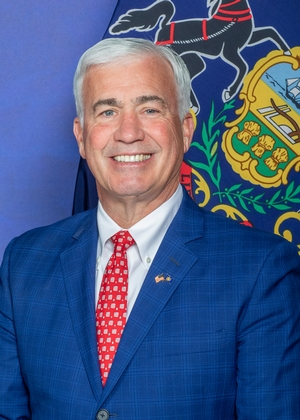 State Rep. Jamie Barton
Barton, who supported the budget, issued this statement:
“This agreement spends less than $51 billion, a $1.8 billion increase over last year’s budget. While I still feel that spending is too high, it’s at least a plan Pennsylvania can actually afford, unlike the governor’s original proposal.
“The final product doesn’t touch the rainy day fund, which the governor’s proposal would’ve raided to balance his excessive spending.
“Thankfully, this budget corrected another major issue with the governor’s plan, which was relying on projected revenue from the legalization of recreational marijuana. Aside from being federally illegal, we heard horror stories from other states saying much of the revenue brought in by legalization was canceled out by an increase in funding needed for Medicaid and mental health services.
“What this budget does fund is important education initiatives. For example, it provides $10 million for career and technical centers to help address the pervasive waitlists we’re seeing across the commonwealth. It also expands the GrowPA program, which offers funding to eligible students studying for in-demand careers. Grantees must commit to living and working in Pennsylvania post-graduation or the funds convert to a repayable loan.
“Finally, I’m happy to see funding in this plan set aside for rural roads and bridge projects. Too often, too much of this kind of funding gets sent to the big cities, leaving rural Pennsylvanians, like us in Berks and Schuylkill counties, behind. That won’t be the case with this round of funding.
“While I still believe the total amount of spending is too high, I think the targeted increases to education and infrastructure will help grow our economy and help erase the need for continual deficit spending.”
Rep. Jacklyn Rusnock, a Muhlenberg Township Democrat
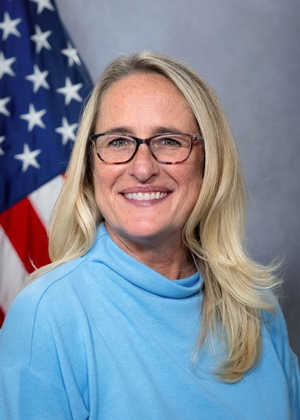 State Rep. Jacklyn Rusnock
Rusnock, who voted for the budget, issued this statement:
“Pennsylvanians work hard, and still, the basic building blocks of a stable life are becoming harder to afford. Housing, groceries, utilities, childcare and health care are taking more from every paycheck.
“The budget we passed today delivers on affordability, investments in education, safe communities and economic development opportunities to keep people, businesses and jobs in Pennsylvania — without raising taxes.
“This afternoon, I voted to give retired teachers, police officers and firefighters in Berks County a long-overdue raise and increase funding for the Antietam, Exeter, Muhlenberg and Reading schools districts. We’re also directing funding towards the massively popular Student Teacher Stipend program to make sure the next generation of educators can afford to get trained.
“This budget is a blueprint for a stronger, fairer and more affordable Pennsylvania and I was proud to vote in favor of it.”
Reps. David Maloney and David Zimmerman did not immediately issue statements regarding their votes against the state budget.