
Metro Philadelphia
The Philadelphia Department of Public Health is alerting travelers about a potential measles exposure at Philadelphia International Airport.
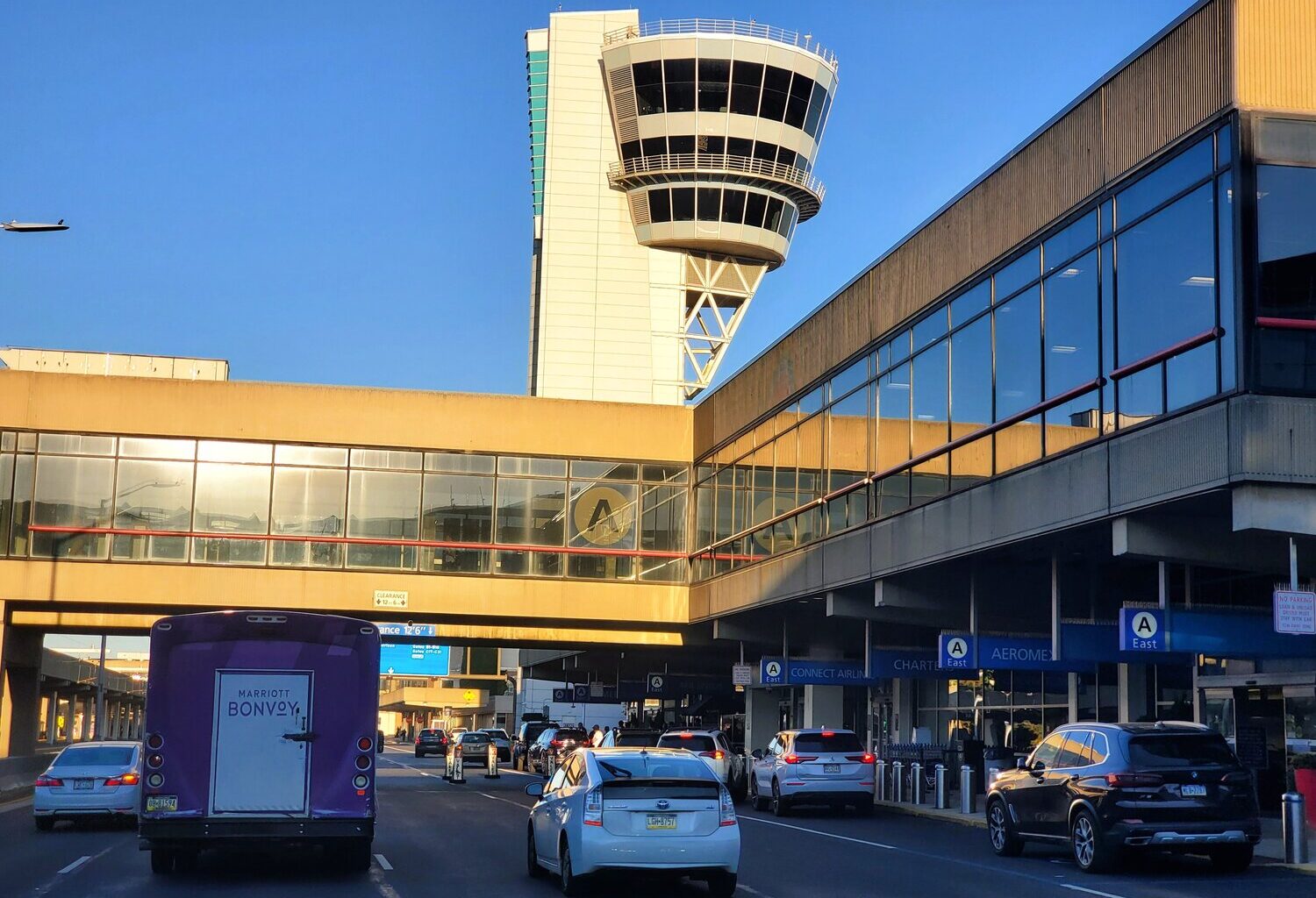
According to the department, an individual with measles who was traveling through Philadelphia was in Terminals A, B and C at Philadelphia International Airport on Saturday, July 4, between 7:30 and 11:15 a.m.
Health officials are urging anyone who may have been at the airport during that time to verify their measles vaccination status and monitor for symptoms.
Measles is a highly contagious virus that spreads through the air when an infected person coughs, sneezes or talks. The virus can linger in the air for up to two hours after an infected person leaves the area. Early symptoms include fever, runny nose, cough and red, watery eyes, followed by a rash. In severe cases, measles can lead to pneumonia, brain swelling and death.
“We believe there is no threat to the general public associated with this case of measles,” said Health Commissioner Dr. Palak Raval-Nelson. “We encourage people who were possibly exposed to take action if they are not protected against measles.”
Raval-Nelson added that measles activity remains elevated both internationally and in areas of the United States, including the ongoing outbreak in Pennsylvania, concentrated in Lancaster and Lebanon counties, with spread to Chester County.
“We strongly encourage parents to follow the CDC’s immunization schedule and get their children fully vaccinated as soon as they are able,” Raval-Nelson said. “People planning to travel outside the United States or to locations within the United States with large outbreaks, including the counties that are part of the PA outbreak, should speak with their doctor about their travel plans and vaccinations needed.”
Health officials strongly recommend that parents follow the routine immunization schedule and ensure children are fully vaccinated. The measles, mumps and rubella (MMR) vaccine is typically given in two doses — first at 12 to 15 months of age and again between 4 and 6 years old — and is considered safe and highly effective.
Infants younger than 12 months are not routinely eligible for the vaccine and are not fully protected. However, infants 6 to 11 months old should receive an early dose before international travel. Families planning travel outside the United States or to areas experiencing outbreaks are advised to consult their child’s doctor at least two weeks before departure.
The Health Department said people are generally considered immune if they were born before 1957, previously had measles, or received two doses of a measles-containing vaccine, usually the MMR vaccine. Those unsure of their status should check vaccination records or contact their health care provider.
Individuals who have received only one dose are considered at low risk but should speak with their provider about completing the second dose.
If you are protected from measles, you do not have to do anything; MMR vaccines are extremely effective at preventing measles, health experts said.
Medical professionals added that those who are unvaccinated, pregnant and not immune, immunocompromised, or caring for infants under 12 months should contact their health care provider as soon as possible for guidance. Because measles is contagious from four days before to four days after a rash appears, officials advise unvaccinated people who may have been exposed to wear a mask in indoor public settings and around unvaccinated individuals for 3 weeks following exposure.
Anyone who develops symptoms consistent with measles should immediately contact their doctor and inform them of the possible exposure before seeking in-person care. Philadelphia residents can also notify the Health Department at 215-685-6740, while residents in other Pennsylvania counties may call the state health department at 877-724-3258.
Anyone who is not immune to measles and may have been exposed should contact their healthcare provider immediately if they develop symptoms by July 25. Early signs of measles include fever, a runny nose, cough and red, watery eyes, followed by a distinctive rash.
For more information, visit the measles page on the Centers for Disease Control and Prevention website or check for updates at phila.gov/measles.
MORE: Experts warn CDC’s revised vaccine-autism language undermines science
Keywords
Philadelphia International Airport,
PHL Airport,
measles exposure,
Philadelphia Department of Public Health,
measles,
MMR vaccine,
public health,
Pennsylvania measles,
travel health,
Philadelphia news