
As a person of faith, I am struck by the power of the civic moment in which we are living.
We are all increasingly filtered into algorithm- and AI-driven silos of extreme views. We all occupy smaller and smaller islands, rendering us more lonely and struggling more than ever with wellness and meaning. Our social world is, in many ways, breaking or broken.
The power of ritual
One way that religion serves humanity in tough times is through ritual. Ritual can be a response to a moment or a situation for which words are not enough. When we encounter the unutterable, the ineffable, and the deep emotions attached to wonder, fear or anxiety, ritual can be a response, if not an answer. Rituals do not solve our problems, but they give voice and space to experiences beyond language.
Some rituals are regular, frequent opportunities that give shape to our days: a communion in the family, a celebration of a child becoming a b. mitzvah, attending Mass on Christmas, offering a prayer upon departing for a journey, breaking the Ramadan fast with an Iftar, lighting Shabbat candles, going on a pilgrimage, marking the solstice, enjoying a communal lunch on Sundays after church services, celebrating Diwali, laying flowers on a grave, or kneeling and bowing to Allah on a prayer rug.
Those without religious traditions have rituals, too. Some yearly prepare the soil for the season’s garden. We attend a niece’s graduation. We bring soup to friends who are sick. We eat turkey and share gratitude on Thanksgiving. We attend an annual family reunion.
Special moments don’t come along every day
Rituals like these can happen once in a lifetime, yearly, once a week, or five times a day. Yet, sometimes we encounter a chance for ritual that is even rarer. Sometimes ritual opportunities arise semiquincentenally.
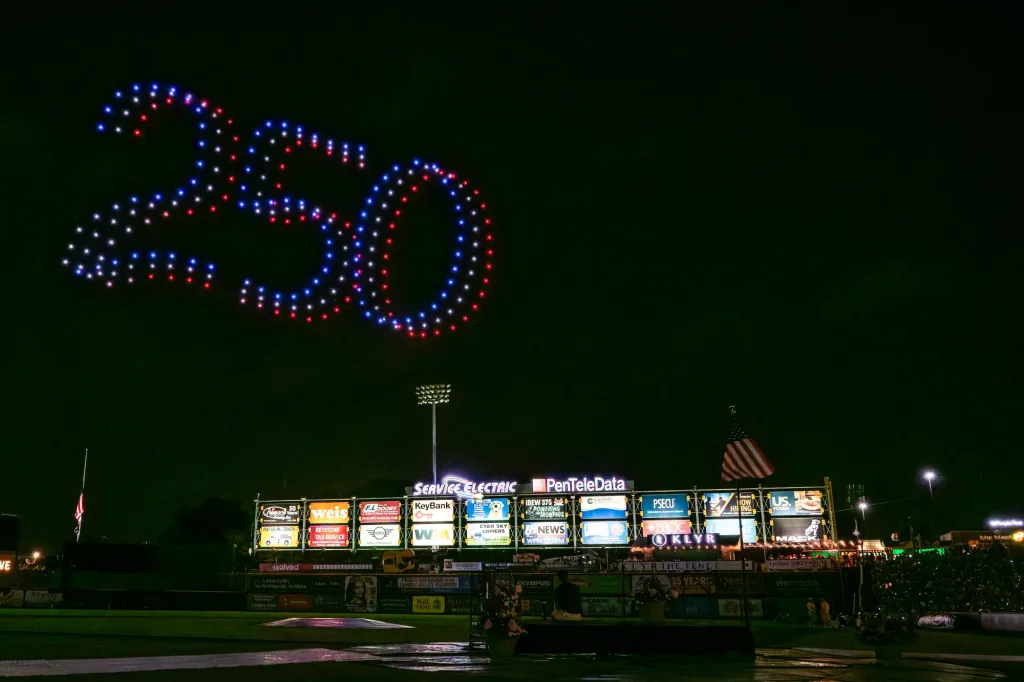
“Semiquincentennial” should be the word of the year. It means the 250th anniversary of something, in this case, of the signing of the Declaration of Independence.
Rituals familiar to many of us for celebrating American independence often include hot dogs, barbecue, outdoor games and fireworks. When I was a kid, we always participated in a neighborhood parade for which we decorated our bikes with red, white and blue streamers. Sometimes my family would attend a free concert of the 1812 Overture. And these joyous rituals operate for some as nostalgia and a warm sense of pride in our country. A day when it is really and truly summer. A day when we can be out in the sunny world.
This 250th anniversary, though, is not just any July 4. It offers us a unique opportunity. We get the chance to look back on 250 years of ideals, values and great deeds.
America: Striving for better
But, the sacredness of this moment calls us to more. This anniversary calls us to reflect on how we have missed the mark. Because we are human. Because we can only strive toward perfection — never to fully achieve it. It is the practice of moral people to always strive for better. We can read echoes of this story in Frederick Douglass’ 1852 Independence Day speech to a group of abolitionists, “What To The Slave Is the Fourth of July?”
This moment calls us to think deeply about our values, and consider how we can do better. Let us together imagine the ways the next 250 years of this nation can more aptly and fully demonstrate what we aim for “America” to mean.
Semiquincentennial continues
July 4, 2026 has just passed, but, the semiquincentennial year continues, and so does the opportunity to meaningfully mark this time with deeply felt rituals — rituals that help us struggle honestly with the whole story of our nation.
The thing about very infrequent rituals is that there are usually few people around saying, “That’s not how we did it last time.” We get to invent an experience of meaning to mark this moment in time.
One invention
Currently, I am privileged to be working with a Lehigh Valley-based interfaith group as part of the Faith250 American Scripture Project. I have written about this program previously in this column. At this stage, our group has begun to develop a project to mark the 250th this fall with a tree equity planting project in Allentown.
Working with the city, we aim to create more shade in low-shade areas and thus more equitably support wellness for all residents of the city. This project will culminate with a dedication ceremony.
If you would like to participate in this interfaith, all-ages project as part of the way you mark this season, please email lvfaith250@gmail.com. We would love to have your mind, hands, and heart as we mark this semiquincentennial year.
This is a contributed opinion column. Shoshanah Tornberg is a rabbi at Congregation Keneseth Israel in Allentown.