
PFAS, chemicals designed to suppress fires quickly, have been linked to serious health concerns, including some cancers. Now, fire departments across Pennsylvania are working to remove those chemicals from the foams and gear firefighters use every day.
Fire departments across the country relied on firefighting foams made with PFAS for decades. State leaders and firefighters now discuss how the changes could impact both first responders and the communities they serve.
“I do have a lot of concerns for the retirees, myself included as a future retiree that didn’t have the protections in the past years, not just from the PFAS, but from other exposures that weren’t as well understood or even if they were understood, were ignored,” Thomas Cook, Pa. State fire commissioner, said.
But research has since linked those so-called “forever chemicals” to cancer, contaminated drinking water and other health risks.
“Those compounds that are man-made are very strong and indestructible. So, when those compounds get into your skin, get into our environment through the soil [or] into our drinking water, it’s very difficult to get rid of them,” Scott Little, fire chief at Manheim Township Fire Rescue, said.
In 2023, Lancaster County received a grant to remove PFAS-based foam from every fire company and replace it with a PFAS-free alternative. Firefighting foam isn’t used on every call, but it plays a key role in certain emergencies, especially fuel fires.
“One of the things that the firefighting foam is helping to do is smothering that fire; it’s putting a blanket on the fire, and that’s helping us. It also reduces the temperature and allows us to mitigate an incident quicker,” Little said.
Not every county has made the switch, so at the State Capitol, lawmakers are pushing bills aimed at limiting PFAS in firefighting equipment, foam and other products.
“These are the folks that [when] they hear the bell, they run. They’re there for us, and so it’s important for us to help protect them the way that they are willing to help us or protect us,” State Rep. Carol Hill-Evans (D-York) said.
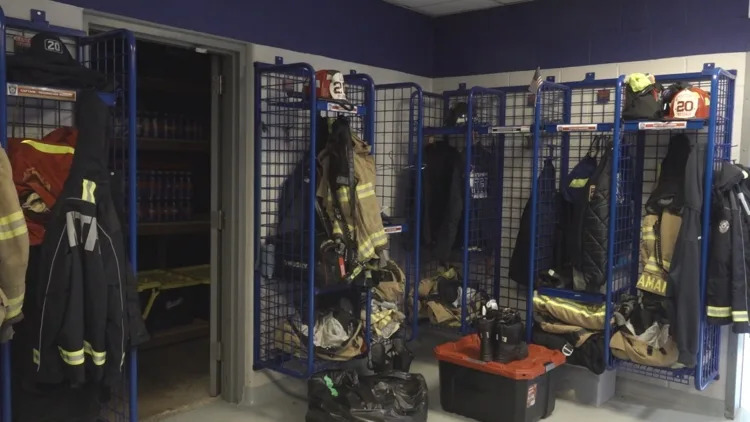
While many departments have already switched their foam, the bigger challenge may be the gear firefighters wear. Turnout coats, pants and gloves often still contain PFAS materials, and fire departments say they’re taking steps to limit exposure by spending less time in gear, taking breaks and wearing extra layers to reduce absorption.
“We want to get them out of the gear as quickly as we can, and the best way that we can do that is with enhanced funding as well as putting future restrictions moving forward on the gear,” Cook said.