
I maintain a file in the newspaper’s shared drive with names and numbers of contacts for reporters to use for stories as diverse as earthquakes, forest fires, boating accidents and animal concerns.
Several years ago, while training a newly hired reporter on the police beat, she didn’t understand why we even needed such a file. In her previous state, a reporter could simply contact the county’s media relations department to get most breaking‑news information.
I explained that government functions are decentralized in Pennsylvania, provided through a patchwork of municipal and community‑based agencies.
County government’s domain is limited. At minimum, counties must provide a prosecutor’s office, a jail, a centralized emergency dispatch system, a planning commission, and the physical infrastructure and security (sheriff’s office) for the Common Pleas Court system. Also required — though funded through the state Human Services Block Grant — are child protective services, an area agency on aging, and a mental health/developmental disabilities agency.
To show how complicated this can be, imagine you’re a reporter who learns about a rabid animal roaming a neighborhood. Perhaps a dog was euthanized, or a person must undergo rabies shots after an attack by suspected rabid wildlife. Who do you call to find out what testing is underway?
The health department? Good answer — if you’re in Bucks, Chester or Montgomery counties. But not in Berks, which has no county health department.
What about Reading? Surely a city of 95,000 has a public health agency. Wrong. You’ll need to call the Pennsylvania Department of Health.
Just seven of Pennsylvania’s 67 counties operate their own health department., but many are quite rural. The commonwealth runs state health centers in several counties without one — Schuylkill and Lancaster, for example — offering immunizations and STD testing.
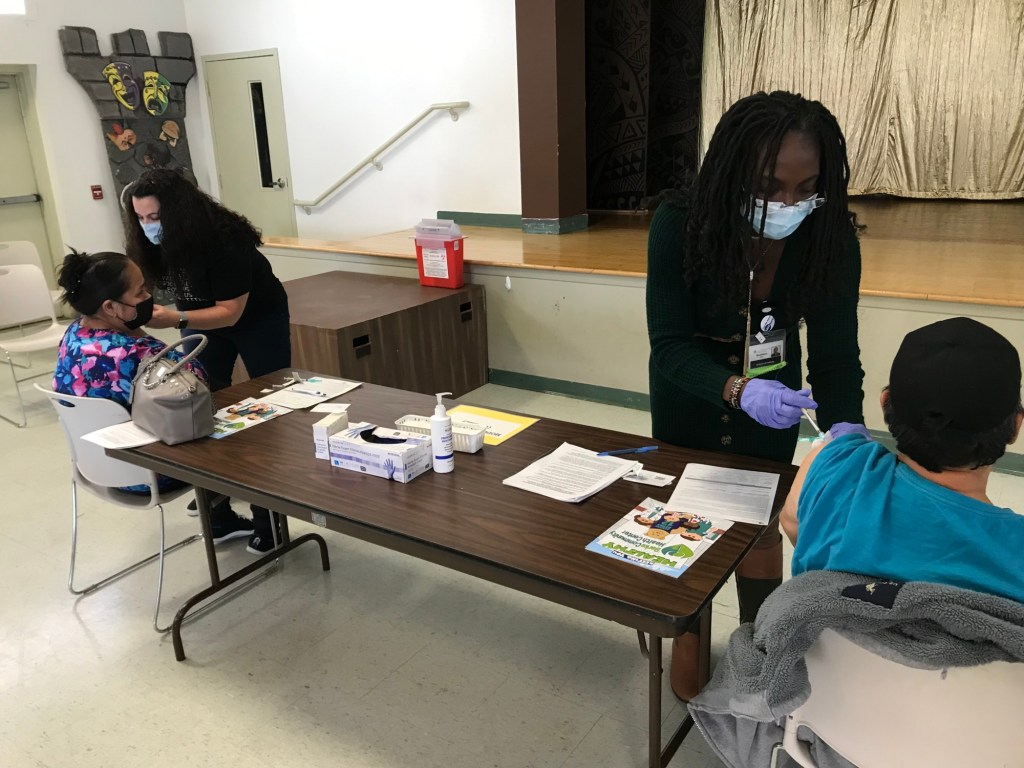
Berks has no official public health agency. Services are provided through a loose network of community‑based nonprofits that operate health fairs and vaccination clinics.
The Reading Hospital Center for Public Health at 301 S. Seventh Ave. in West Reading provides STD testing including rapid HIV results. This spring, it opened a Ryan White HIV/AIDS Program offering primary care, treatment, behavioral therapy and case management for HIV‑positive clients.
The idea of a county health department gained traction after the COVID‑19 pandemic. With no point person for contact tracing, prevention or immunization, county leaders had to assemble a coalition of medical professionals, nonprofits and community organizers. The county contracted with Co‑County Wellness Center to identify infected people and notify their contacts.
A post‑pandemic study recommended creating a Berks County health director position, but that’s been put on the back burner as commissioners tackle other priorities.
More recently, Reading residents who serve on the city’s Charter Review Commission tried to force consideration of a city health department through a referendum. On June 22, City Council declined to advance the required ordinances, citing a missed charter deadline.
It won’t appear on this fall’s ballot, but the question remains.