
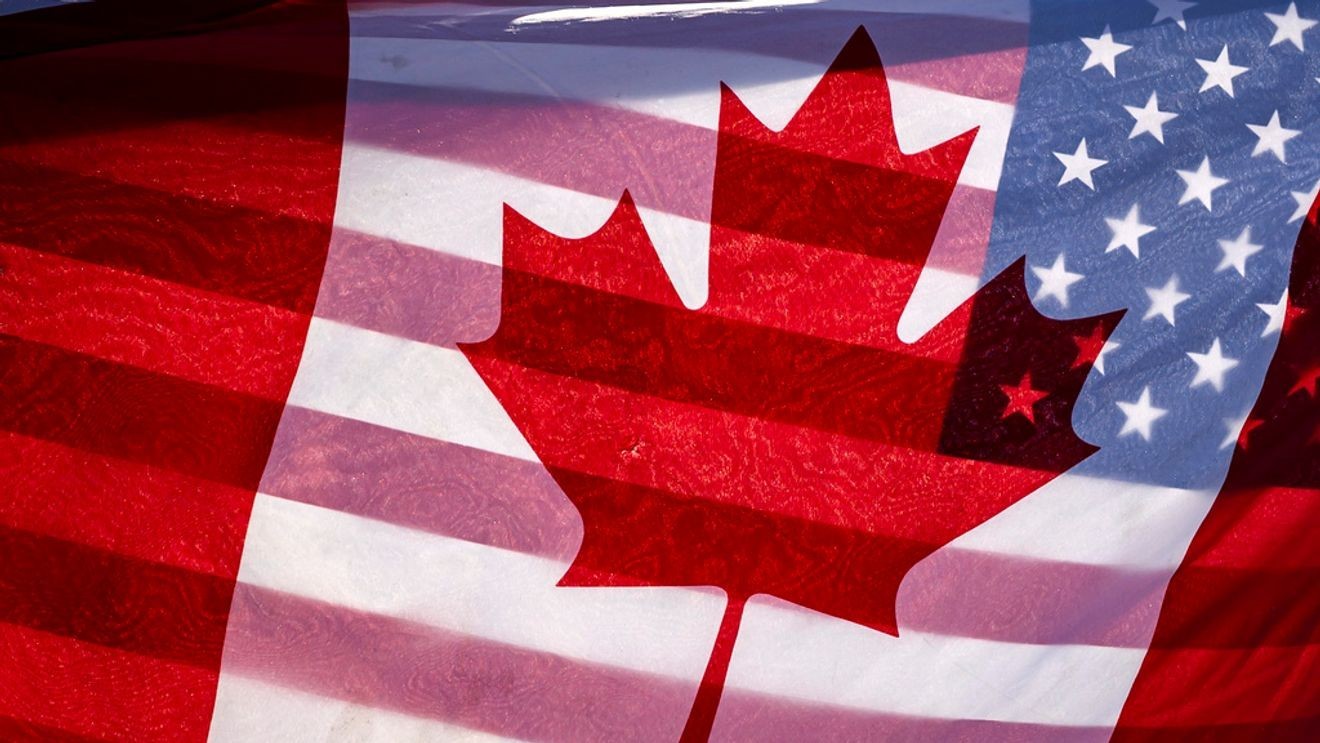
HARRISBURG, DAUPHIN CO. — Pennsylvania consumers and businesses could see higher prices on a wide range of Canadian goods after President Donald Trump announced plans to impose 50% tariffs on many imports from Canada, escalating a trade dispute between the two countries.
The tariffs, announced Monday, are scheduled to take effect Aug. 19 and target many Canadian products in response to what the Trump administration describes as discriminatory Canadian trade policies involving U.S. automobiles, dairy products and alcoholic beverages.
While the White House says the tariffs are intended to create a more level playing field for American manufacturers, economists warn the costs could ultimately be passed on to consumers through higher prices.
What could affect Pennsylvania?
Pennsylvania is Canada’s sixth-largest U.S. trading partner, with billions of dollars in cross-border commerce each year. That means industries across the Commonwealth could feel the impact.
Among the products most likely to be affected are:
Lumber and other building materialsCement and concrete productsPaper and pulp productsFurnitureAppliancesMachinery and industrial equipmentChemicals and plasticsClothing and textilesSporting goodsAuto parts and some vehiclesWine, beer and distilled spiritsCheese and other dairy productsConsumer packaged goods and household items
For consumers, that could translate into higher prices at home improvement stores, furniture retailers, grocery stores, liquor stores and automobile repair shops.
Pennsylvania’s manufacturing sector, which relies heavily on Canadian raw materials and industrial components, could also face increased costs. Homebuilders and contractors may see higher prices for lumber, cement and other construction supplies.
Key exemptions
Not every Canadian import will be affected.
The White House said the new tariffs will not apply to:
Energy products, including crude oil and natural gasElectricityPotash fertilizerFish and seafoodCritical minerals
Products already covered under separate national security tariffs, including many steel and aluminum products.
Those exemptions could help shield gasoline prices and some agricultural sectors from immediate impacts.
Why now?
The Trump administration invoked Section 338 of the Tariff Act of 1930, a rarely used law allowing the president to impose tariffs of up to 50% on imports from countries found to discriminate against U.S. commerce.
The administration says Canada has unfairly restricted American exports of automobiles, dairy products and alcoholic beverages and has retaliated against previous U.S. tariffs.
Uncertainty remains
Despite the announcement, businesses are still waiting for the government to publish the complete list of products that will be subject to the tariffs.
The White House has said the duties will apply to thousands of specific tariff classifications, but the detailed annexes identifying every affected product have not yet been released publicly.
Canada has indicated it is prepared to continue negotiations with the United States while also considering retaliatory measures if the tariffs take effect as scheduled.