
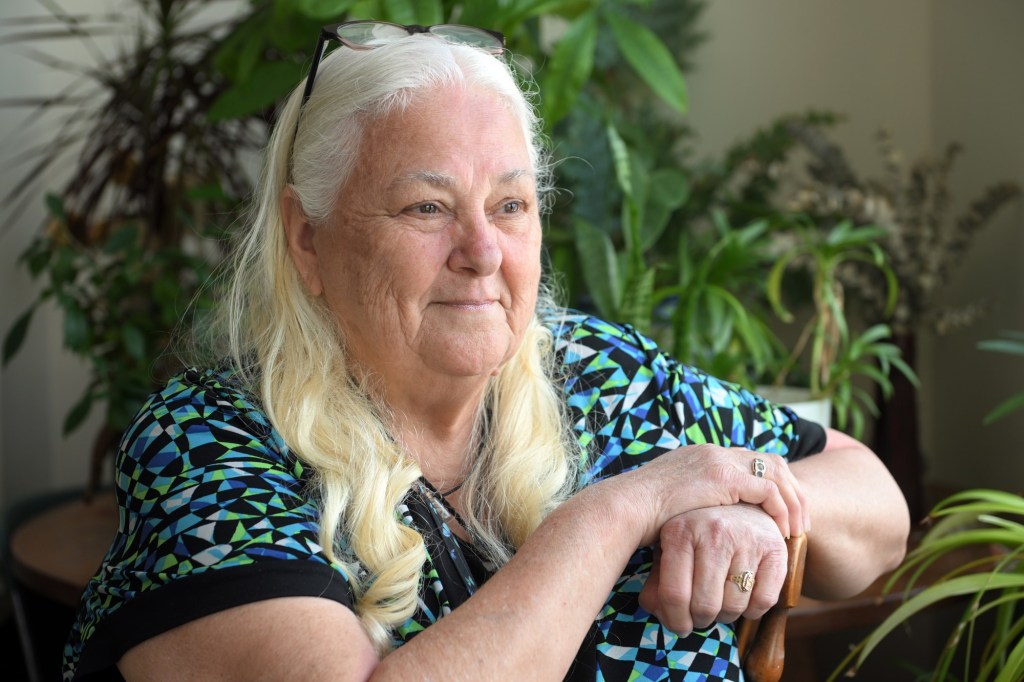
When Theresa Jackson arrived at Opportunity House a little more than two years ago, she was struggling just to stay alive.
“Before I had stable housing, it was difficult to focus on anything beyond basic survival,” she told City Council at a recent meeting. “I worried about where to stay, was it safe, and how I would meet my daily needs.”
After an accident left Jackson unable to work, she fell behind on her monthly rent payments, was evicted and found herself on the streets.
She now lives in supportive housing run by the nonprofit and credits the organization’s shelter, programs and case management services with helping her rebuild her life.
“My life today, because of these services, is more stable, hopeful and productive,” she said. “I have peace of mind and a foundation from which I can move forward.”
Jackson shared her story during a presentation on Reading’s Code Blue program, homelessness prevention efforts and a new five-year plan to address homelessness in Berks County.
The city receives about $200,000 annually through the federal Emergency Solutions Grant program, which funds homelessness prevention, rapid rehousing, shelter operations and street outreach, said Patricia Vasquez, deputy director of community development.
But the city does not provide these services directly, she noted.
“The city relies on strong partnerships with organizations such as Opportunity House, Hope Rescue Mission, Salvation Army, Catholic Charities, Family Promise, Berks Coalition to End Homelessness and more,” Vasquez said. “These efforts help individuals and families avoid homelessness, regain stability, and move towards permanent housing solutions.”
Opportunity House
Alyssa Bushkie, CEO of Opportunity House, said the organization served 334 people during the past year through the grant-supported programs, including emergency shelter, case management and housing navigation services.
 Alyssa Bushkie (Courtesy Opportunity House)
“These resources allow us to move beyond simply providing a bed and a meal for the night,” Bushkie said. “Our goal is to help people stabilize their situations, address barriers, and ultimately secure permanent housing where they can remain successfully housed long term and avoid returning to homelessness in the future.”
Representatives of the nonprofit also described the growing challenges faced by people experiencing homelessness, including rising housing costs, employment barriers and a shortage of affordable housing.
Many people become homeless because of financial setbacks, such as job loss, eviction, medical debt, divorce, disability, family breakdown or the death of a wage earner, they said, pushing back on the misconception that most unhoused people are homeless because of substance abuse or mental illness.
Hope Rescue Mission
At Hope Rescue Mission, the priority is safety and shelter, said Kate Alley, executive director of the mission’s Lighthouse Women and Children’s Shelter.
The more than 130-year-old faith-based nonprofit provides emergency shelter, meals and long-term support for people experiencing homelessness.
 Kate Alley, Executive Director of Lighthouse. (Photo submitted by Lighthouse)
Those who arrive while actively using substances are not automatically turned away, she said. However, staying long-term in the men’s or Lighthouse shelter requires movement toward recovery.
“After a certain period of time, we do require that they enter into a program that leads them to sobriety so that they don’t stay in their addiction,” Alley said.
Hope Rescue Mission and Opportunity House partner with the city to provide Code Blue winter emergency shelter.
The city contributed $350,000 toward the 2025-26 Code Blue season, part of a total funding package of approximately $565,000 that included support from private foundations, United Way and Berks County, Community Development Director David Barr told council.
Hope Rescue Mission served 482 men, women and children through its Code Blue operations this past winter, Alley said.
Another 189 individuals, including 101 people from family households, were served through Opportunity House’s winter program, Bushkie said, noting those figures reflect a continuing increase in homelessness throughout Berks.
Homelessness is not solely Reading’s problem, Barr stressed, calling for greater county support.
“In short, the city cannot carry this burden alone,” he said. “Code Blue and homelessness in general is a countywide issue.”
5-year plan
The Berks Coalition to End Homelessness also presented a new five-year strategic plan funded by the city and the Berks County Community Foundation.
Coalition Executive Director Jack Williams said the plan is intended to move the community beyond simply responding to homelessness and toward addressing systemic gaps in housing and support services.
 Jack Williams (BILL UHRICH/READING EAGLE)
The recommendations, he said, include strengthening prevention efforts, expanding affordable housing opportunities, improving access to emergency resources and increasing coordination among service providers throughout Berks.
Council members praised the collaboration among agencies and the decision to discuss Code Blue funding months before winter arrives.
“It’s not going to go away,” Councilman Christopher Miller said of homelessness. “It is growing, and we need to accept it and deal with it in an educated way.”
Jackson said her experience demonstrates the value of long-term housing and support services.
“Please continue to support the programs that help individuals and families achieve housing stability and improve their lives,” she said.
Council is expected to consider funding during the upcoming budget process.