
HARRISBURG, Pa. — A bill signed into law Monday, July 20, promotes nuclear development in Pennsylvania by allowing companies to build cheaper, smaller and more efficient sites.
State Rep. Jose Giral (D-Phila) was the primary sponsor of H.B. 2017, with additional sponsorships from Reps. Nate Davidson (D-Cumberland/Dauphin), Joe McAndre (D-Allegheny) and Elizabeth Fiedler (D-Phila).
“Pennsylvania has long been a national energy leader,” said Giral. “I am proud that the governor has taken swift action on our bill and signed it into law. The faster we can help the industry streamline here, the faster we see return on our investment.”
The bill updates the state’s fee structure for operators of nuclear sites to acknowledge how modern small modular reactors and micro-reactors differ from traditional light-water reactors. Legislators hope the change will enable the development of smaller, cheaper and more efficient nuclear reactors.
“Up-front capital needed to build new traditional reactors is prohibitively expensive, and this law meets the moment by recognizing small modular reactor development as the next important step in nuclear development and updating our current fee structure to make it more affordable for SMR developers to build here.”
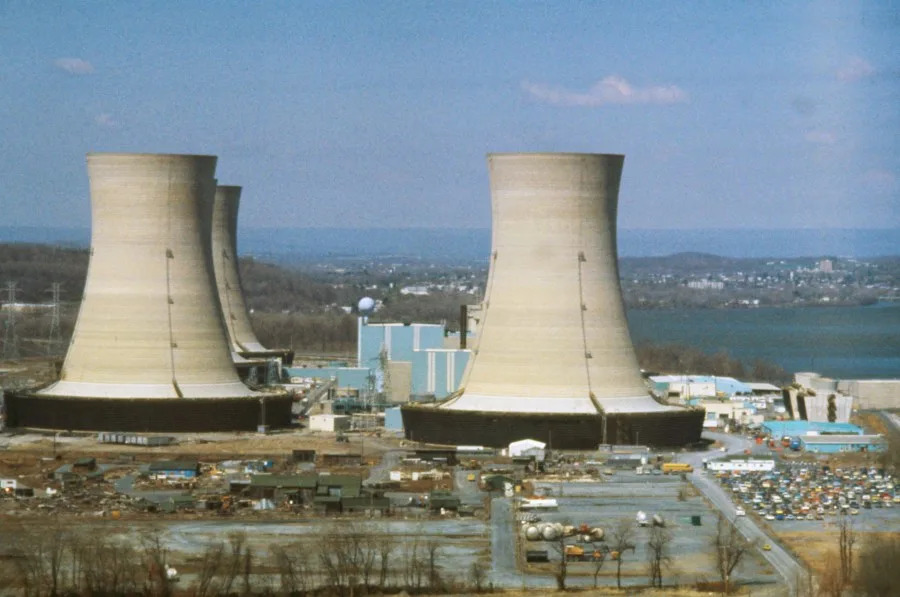
Lawmakers said traditional light-water nuclear reactors have sprawling footprints with multiple reactors per site, thereby requiring extensive time and money to construct and operate. SMRs, however, require smaller sites with fewer reactors per site. This allows them to be built in areas with less access to existing power grids, such as rural Pennsylvania.
Additionally, SMRs’ small size allows them to be factory-built, rather than built on-site, enabling them to be transported to areas where large-scale construction is difficult. Technological developments have also made SMRs more efficient than light-water reactors.
“Nuclear energy provides a critical piece of Pennsylvania’s baseload capacity, and now SMRs can be an even bigger part of the Commonwealth’s energy future,” said Davidson. “Our largest trading partner, Canada, is actively building the first SMR for grid energy production in a G7 country. This important law also sets the stage for Pennsylvania to be a national leader is SMR construction, opening the door to even closer economic ties with our neighbors to the north.”
The Department of Environmental Protection (DEP) has previously levied the fees on a per-site basis; however, Giral said operators are forced to pay too high a fee per site since SMRs require more sites to meet energy demand, which discourages companies from expanding into Pennsylvania.
“This law levels the playing field for nuclear innovation in Pennsylvania. As we look at energy to diversify our grid, this will allow new technology to flourish, resulting in lower energy costs. We’re making it clear that our Commonwealth is ready for next-generation energy,” said McAndrew.
The fees collected by the DEP support environmental monitoring, administrative oversight and decommissioning.
House Bill 2017, now Act 37 of 2026, updates the Radiation Protection Act of 1984 by adding definitions for small modular reactors and micro reactors and distinguishing them from traditional light-water reactors. The bill also creates a new, separate fee structure for SMR’s and directs the Environmental Quality Board to determine reasonable fees.
Get the latest news, weather forecasts and sports stories delivered straight to your inbox! Sign up for our newsletters.
“This bill received an incredible level of bipartisan support through the General Assembly, and I am thrilled to see it signed into law,” said Fiedler. “In the House Energy Committee, we are focused on bold solutions to the energy crisis that families in all our districts face. This bill addresses a key piece of the puzzle: generating more energy, and it does so in a clean, zero-carbon way. Congrats to Rep. Giral. I look forward to seeing projects break ground in Pennsylvania in the years to come!”
Giral noted that modernizing energy technology could help offset the significant energy consumption of data centers and lower energy costs for residents in the long term.
“We have the workforce and expertise to keep Pennsylvania ahead of the curve on energy modernization,” said Giral. “I am grateful to my colleagues for supporting our energy sector and the jobs that it will create.”
Copyright 2026 Nexstar Media, Inc. All rights reserved. This material may not be published, broadcast, rewritten, or redistributed.
For the latest news, weather, sports, and streaming video, head to WTAJ | Your News Leader.