
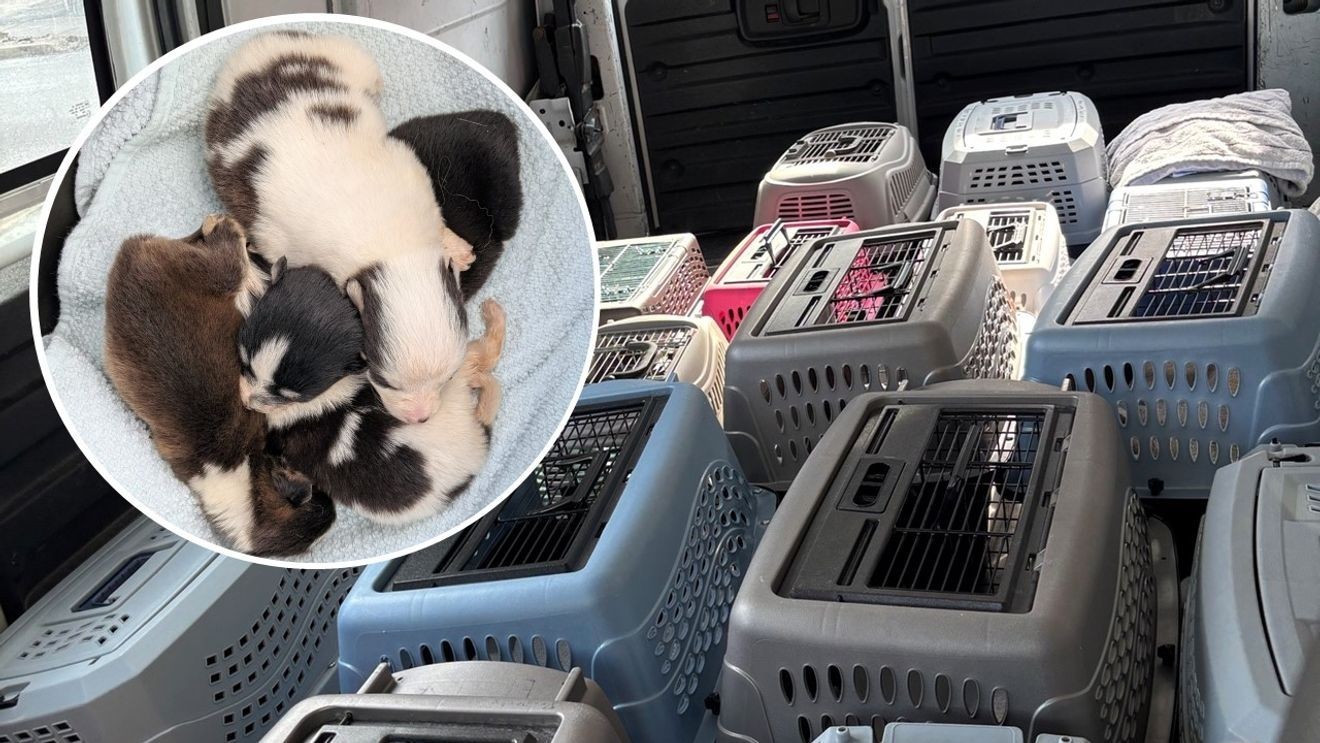
CUMBERLAND COUNTY, Pa. (WHP) — After a New Cumberland woman read about an animal hoarding case in York County where more than 20 cats were seized from a home dubbed the “hell house,” she realized she and her dozens of cats had a problem, according to nonprofit rescue Castaway Critters.
That woman reached out to the Harrisburg-based rescue to find out what she should do, according to Jessica Walton, operations manager of Castaway Critters.
“I’ve never had someone come on their own volition and say, ‘I have an issue. I need some help,’” Walton said.
Walton wrote on Facebook the woman had between 35 and 50 cats and kittens in her home.
During an interview with CBS 21, Walton said volunteers were able to pull 18 cats from the home the following day and provide food and litter for the remaining felines until they could also be removed.
She said the group will get four of the senior cats checked out and returned to the woman, since they’ve been together their whole lives.
Animal hoarding has always been an issue, Walton said, noting that she hasn’t seen any particular increase in cases.
At the York County SPCA, however, it’s a different story.
Executive Director Steven Martinez said the York County SPCA has seen more animal hoarding cases this year than the previous seven years he’s been executive director.
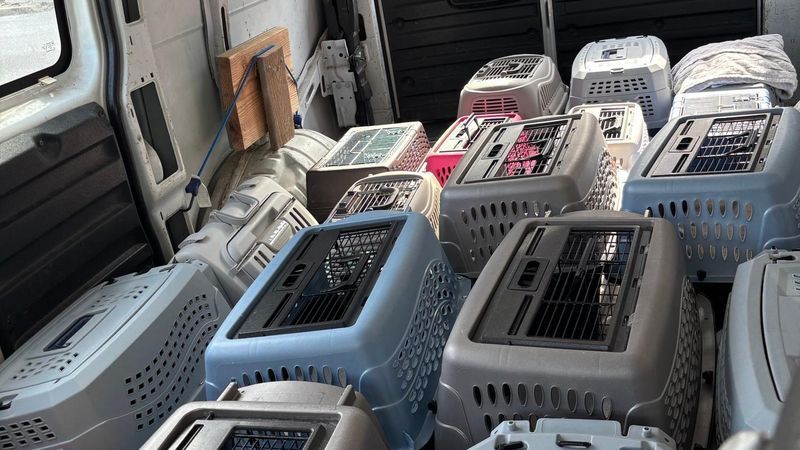
Photo from an animal hoarding case the York County SPCA helped with in 2026. (Courtesy of York County SPCA)
In previous years, he said, they might see an animal hoarding case every other month. Since the York County SPCA saw its first hoarding case this year in February, he said they’ve seen another case every other week or so.
“It’s a lot of moving pieces to managing a hoarding case,” Martinez said.
“In fact, they’re the most complex cases that we do have to manage, and so you need like a month, ideally, before you can move on to the next one. So the fact that we’re doing them about every other week, it feels like is it’s hard to just get your head above water.”
Martinez said they saw their first case of the year in February, when crews handled a trailer full of 50 cats in Hanover Borough. Then, they saw a double-wide trailer in Penn Township with 75 cats. The week after that, it was a house with 50 dogs. The week after that, a trailer full of cats. The week after that, a trailer with 10 cats.
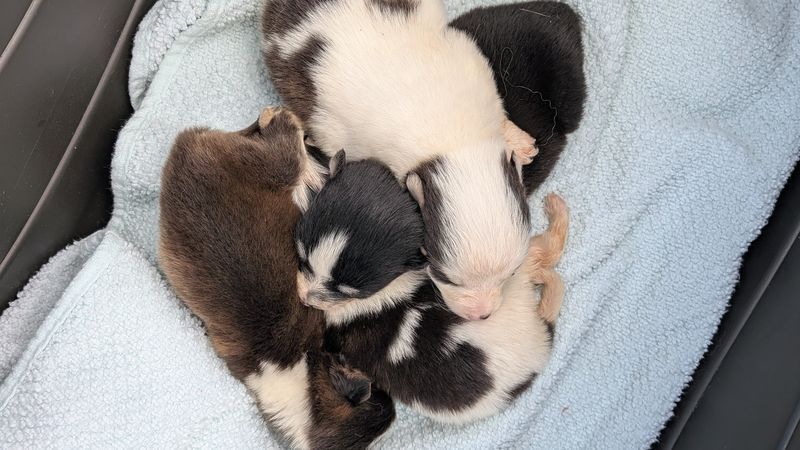
Photo from an animal hoarding case the York County SPCA helped with in 2026. (Courtesy of York County SPCA)
“Anecdotally speaking, all of us agree that this is by far the worst year so far,” he said.
Martinez said there’s not just one reason for the increase. He attributed the rise in cases to the economy, how animal services are structured in Pennsylvania, the lack of resources for nonprofit communities, and people taking in more pets during the pandemic, among other factors.
Back in May, Martinez led a virtual town hall with elected county officials to discuss the trend and the five things that typically lead to hoarding cases.
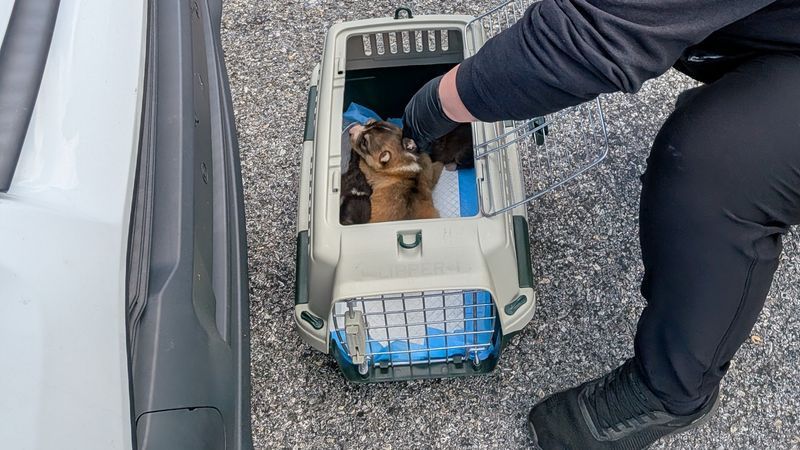
Photo from an animal hoarding case the York County SPCA helped with in 2026. (Courtesy of York County SPCA)
Martinez said most hoarding cases they see come from lonely seniors who adopt too many pets without getting them spayed or neutered.
The second most common reason is when good Samaritans take in animals they find outside, and they end up taking in too many.
Other times, people try to start a “rescue,” advertise it on social media, take in animals and get overwhelmed.
Or, for-profit breeders don’t sterilize their pets and get in over their head.
Finally, Martinez said they sometimes see animal hoarding cases involving people with mental health issues.
Plus, he said, people are often afraid to speak up due to shame.
“Shame will keep a person from reaching out for help,” he said. “Shame will keep them in that situation, and it just continues to get worse and worse, coupled with not spaying and neutering their animals.”
He said he wants other people who might find themselves in animal hoarding situations to know that the York SPCA is there to help, not to judge.
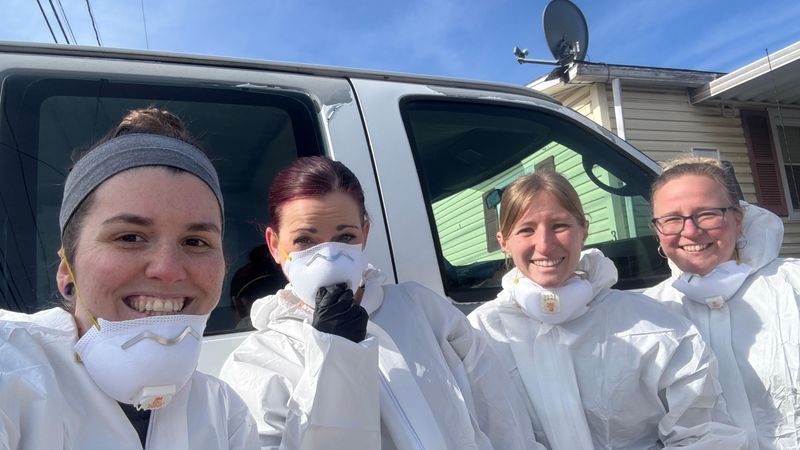
Photo from an animal hoarding case the York County SPCA helped with in 2026. (Courtesy of York County SPCA)
“Our job is not to judge them,” Martinez said. “Our job is not to try to get them in trouble or to send them to jail or anything scary like that. Our job is to be a resource to those individuals and especially to those animals. And if people do reach out to us, just know that we’re looking for a collaborative partnership.”
You can report suspected animal hoarding and neglect on the York County SPCA’s website, and they’ll look into it further, he said.
Walton said she encourages other people to take an honest look at themselves and admit when they need help. Once at that point, she said, it’s important to keep advocating for yourself to find the help you need.
“If we all help a little bit, the problems should start to go away,” she said. “[Not] spaying and neutering your animals is the number one cause of all of this.”