
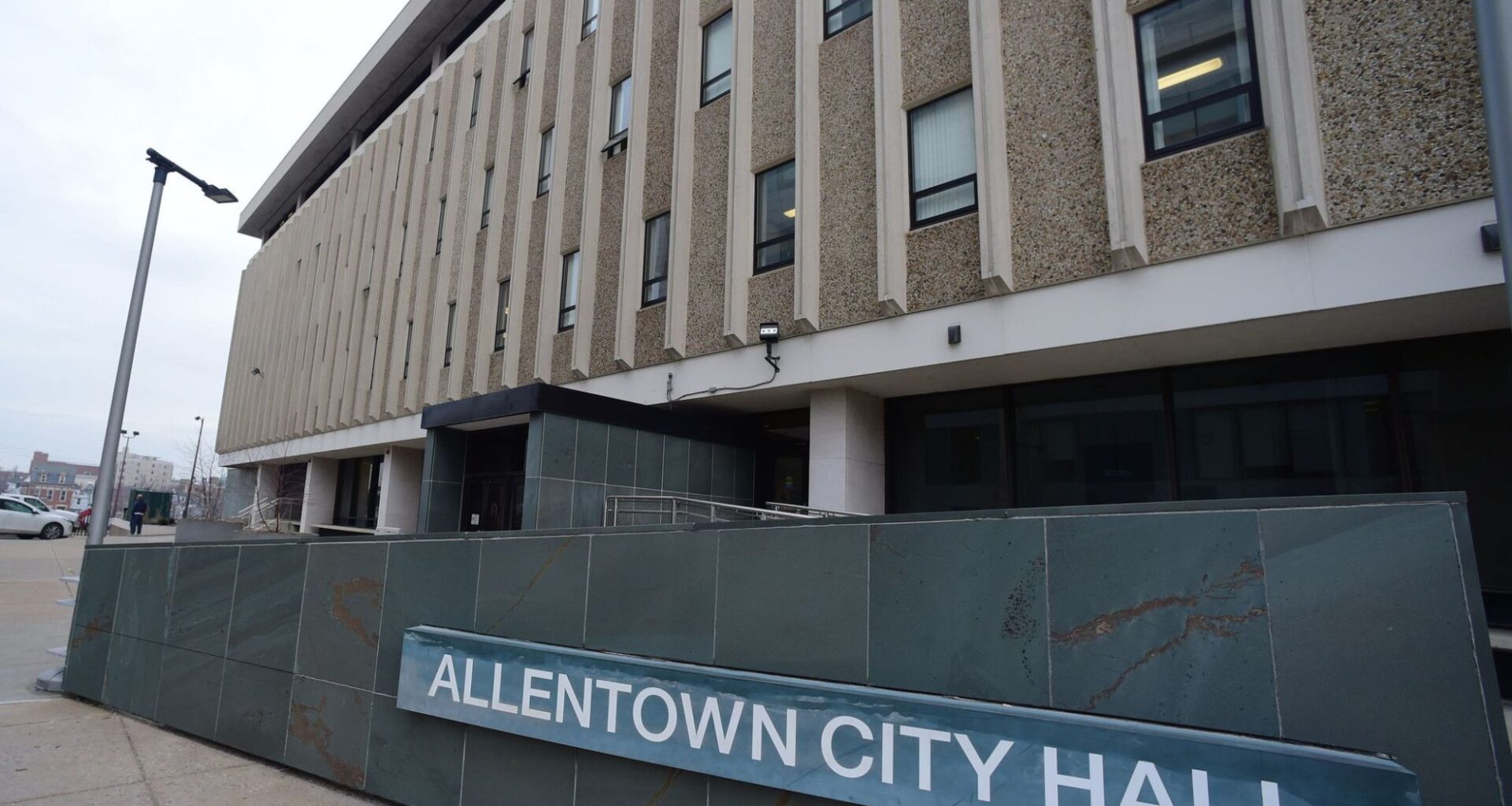
Allentown voters could have the chance to vote this November on whether most businesses citywide should offer paid sick leave to their employees.
The paid sick leave voter referendum is the result of a “citizens initiative” brought forward by a group of Allentown activists. Under Allentown’s home rule charter, a group of any five city residents can form a “petitioners committee,” and if that committee gathers more than 2,000 signatures from Allentown residents in support of a proposed city law or initiative, City Council must either approve it or send it to a voter referendum.
The petition for a “Paid Sick Leave Act” received more than 2,000 signatures from Allentown residents, according to City Council Vice President Cynthia Mota. If approved, the sick leave law would require Allentown businesses to offer at least one hour of paid sick leave for every 30 hours worked. The maximum amount of paid sick leave businesses must offer yearly is at least 72 hours of paid sick time for businesses with 15 or more employees, and 48 hours for those who employ less than 15.
Diana Espinale, an Allentown resident who helped circulate the Paid Sick Leave Act petition, told City Council members that she feared losing her job for falling sick while employed at a Lehigh Valley warehouse. A law requiring businesses to offer paid sick leave would alleviate that concern, she said.
“Working class families like mine have been faced with deciding between our health and our families and being able to keep up with our bills,” Espinale said.
According to Diana Robinson, executive director of advocacy organization Make the Road PA, which helped push for the paid sick leave bill, the petition was a “joint effort” across city organizations, and received support from various Allentown-based union groups.
However, Vicky Kistler, director of Allentown’s Department of Community and Economic Development, said the city administration opposes the bill. It would put a financial burden on the city to monitor and enforce whether businesses are complying with the sick leave act, she said.
“There are currently over 20,500 active in city licensed businesses that the health bureau would be required to monitor for compliance and enforcement,” Kistler said. “The city does not currently have staffing or administrative processes in place to comply with this ordinance. Implementation of the ordinance would require significant investment in additional staffing, which may result in doubling or tripling the city’s business license fees, and/or property tax increase.”
Robinson said that Philadelphia and Pittsburgh have successfully implemented city-wide paid sick leave laws.
“I think sometimes we have to think about the greater good,” Robinson said. “And in a time that we’re living with a lot of public health crises, whether it’s COVID, other infectious diseases, how are we also keeping the public safe?”
City Council members, who thanked the residents for bringing forward the paid sick leave question but also echoed Kistler’s concerns, unanimously opted to forward the bill to the Lehigh County Board of Elections. The board could put a paid sick leave question on the Nov. 3 general election ballot.
“I understand the spirit of it. I think it’s really focused on helping Allentown residents,” City Council member Jeremy Binder said of the initiative. “My only concern in the process is that, as council, we can’t amend or change anything when a citizen initiative comes up, so it is pretty much presented, and then it has to move on to the voters.”
The last time City Council weighed a citizen-backed voter referendum was 2023, when an initiative would have allowed voters to decide on whether the city should create a $4 million “mobile community response” pilot program to send social and EMT workers to emergencies involving mental health and drugs.
However, the Lehigh County Board of Elections opted not to put the question on the ballot because of concerns about the legality of such a program.
Reporter Lindsay Weber can be reached at Liweber@mcall.com.