
The Brief
A cyclosporiasis outbreak linked to iceberg lettuce has sickened 1,947 people across nine states, with Pennsylvania recently added to the list with 24 confirmed cases.
Taylor Farms recalled all iceberg lettuce sourced from central Mexico on July 17, though the FDA noted that an initial positive test for the parasite on their lettuce was later deemed a false positive.
Tracing the cyclospora parasite is difficult and prone to false positives because it cannot be tracked through standard national pathogen databases,
PENNSYLVANIA – A multi-state outbreak of a severe intestinal illness linked to iceberg lettuce has reached Pennsylvania, with at least two dozen cases of cyclosporiasis now confirmed across the state.
What we know
Pennsylvania, along with Illinois, Kansas, and Oklahoma, were added to the list of affected states, according to the Center for Disease Control and Prevention. They join Indiana, Kentucky, Michigan, Ohio and West Virginia for a total of nine states with reported cyclosporiasis cases from the outbreak.
The CDC says at least 1,947 people are currently sick across those states, with 24 cases reported in Pennsylvania.
Patients from the newly added states likely became ill around the same time as those identified in the initial group of affected states, but investigators only recently determined they were part of the same outbreak, according to a report by the Washington Post.
The backstory
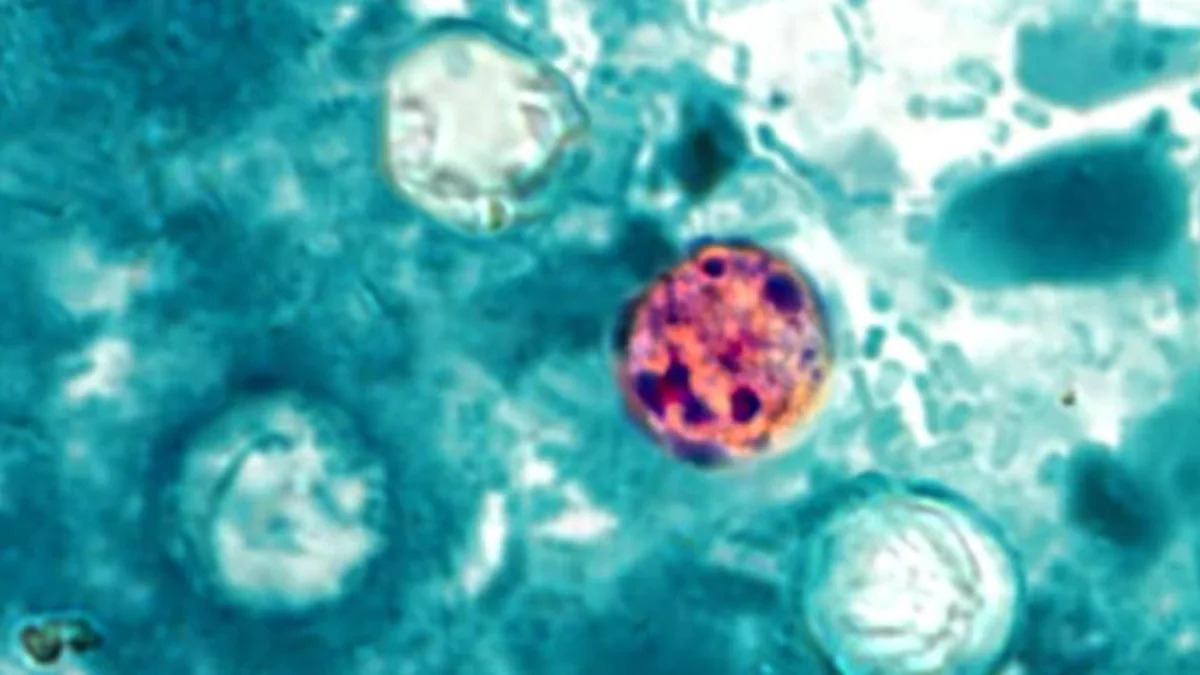
Cyclosporiasis is a gastrointestinal disease caused by the microscopic parasite cyclospora. Symptoms can appear two to 14 days after exposure and may include frequent watery diarrhea, loss of appetite, cramping, nausea and a fever.
The FDA initially said a sample of the Taylor Farms’ lettuce did test positive for the parasite after the supplier pulled all iceberg lettuce from central Mexico heading to the United States. However, they later said samples of lettuce that were collected should be considered a false positive.
On July 17, Taylor Farms initiated a recall of all iceberg lettuce sourced from central Mexico.
Dig deeper
Unlike pathogens such as salmonella or E. coli, which can be sequenced and matched through national databases, cyclospora cannot be traced using those same methods. Scientists have to take genetic material from the organism and make synthetic copies of the DNA, which could lead to a false positive, as we saw in the case with Taylor Farms.
The CDC urged doctors to start testing for cyclospora to make sure people are treated properly. With the publicity that has been generated by the recent outbreak of cyclospora, experts say more people are likely seeking out testing.
The Source
Information from this article was sourced from the Center for Disease Control and Prevention and Washington Post.