
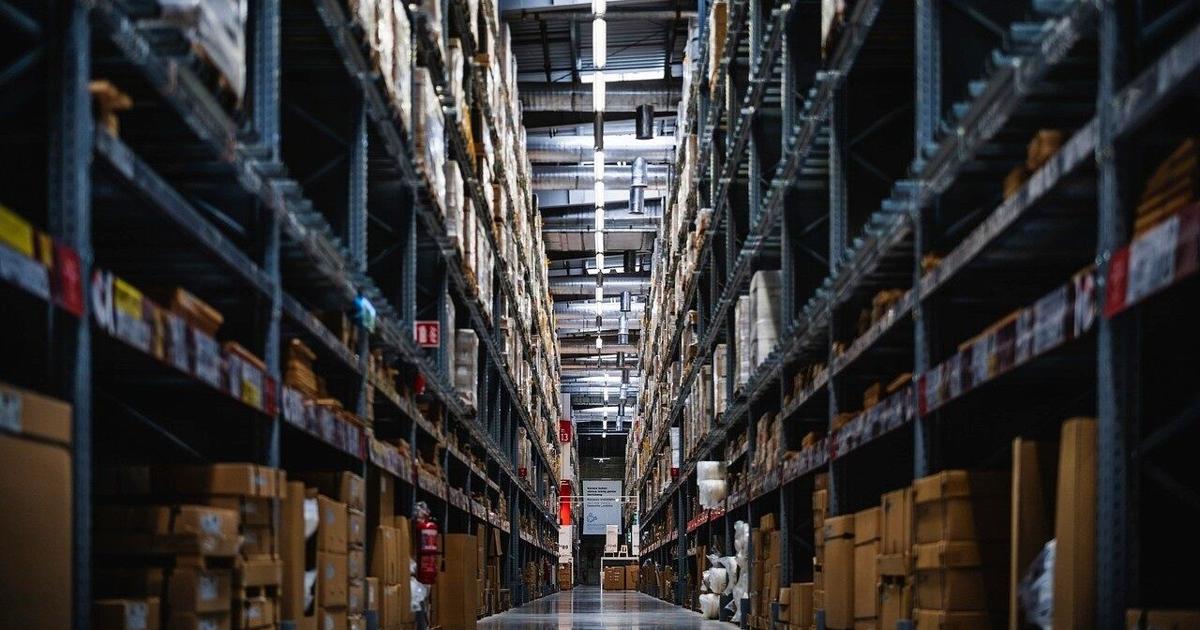
I watched the Lehigh Valley’s warehouse economy transform Upper Macungie before my eyes.
In the early 2000s, the change first showed itself through traffic. Route 100 became packed with tractor-trailers moving through roads and intersections not designed for that volume of freight.
The Trexlertown bypass and improvements around Routes 100 and 222 relieved bottlenecks. They also made an already valuable location more attractive to developers by improving access from large tracts of land to Interstate 78, Route 22 and the rest of the region.
Then roads widened, shopping centers appeared, housing developments filled nearly every opening and warehouses began defining the landscape.
My first job was with a staffing agency that provided labor support to the region’s growing warehouse industry. Between 2010 and 2013, I was assigned to facilities throughout the area. Eventually, the agency relied on me when it secured a new warehouse contract and wanted to make a strong impression on the client.
I had heard stories about brutally difficult warehouse conditions, but that was not always my experience. At some locations, I struggled to find enough meaningful work to stay occupied. I would pick up a broom and sweep simply to keep moving. That left me time to observe the repetition, predictable movements and jobs built around completing the same limited tasks over and over.
Even then, before artificial intelligence became part of everyday conversation, the conclusion seemed like simple math: much of what I was watching could eventually be performed by machines.
I left warehouse work in 2013 and found landscaping almost by accident. I loved that every property and problem was different.
Since then, through landscaping, construction, and snow removal, I have watched the warehouse economy from the outside. I have seen newly completed buildings remain dark; rows of available-space signs and facilities repeatedly change operators. A building need not be completely vacant to reveal instability. Frequent tenant turnover can show that the economic activity inside is less permanent than the concrete walls make it appear.
Warehouses brought real growth, employment, and tax revenue to the Lehigh Valley. That should not be dismissed. But after watching this cycle develop for more than two decades, I believe we need to ask what comes next.
The concern is not that every warehouse will disappear. It is that warehouse square footage, productivity and employment may no longer grow together. Artificial intelligence, robotics and automation are increasingly allowing companies to move more products with fewer workers. As these systems become more capable and affordable, automation may become an obvious investment rather than an experimental one.
Retrofitting an existing warehouse could involve much more than placing robots inside it. Many buildings are laid out to maximize human production, with aisles, racking, loading areas, and work zones designed around people and forklifts. Robotic systems may require different floor conditions, conveyor paths, charging areas, electrical capacity, data networks, control systems, and backup power. Major operational and layout changes may also require fire-protection systems, emergency access, and other code requirements to be reevaluated. Some buildings will adapt. Others may require reconstruction extensive enough that a new facility designed for automation becomes more practical.
That is why the Lehigh Valley should prepare for its next economic transition before the current one has fully ended.
As communities debate what should follow the warehouse boom, data centers and AI infrastructure may be part of the answer. But they should not become another land-intensive industry judged mainly by the tax revenue it promises. Major developments should create benefits residents can see and feel apprenticeships, scholarships, local contracting opportunities, technical education, environmental improvements, and neighborhood investment.
Tax revenue matters, but it is an indirect benefit. Communities should evaluate not only what a project adds to a municipal budget, but how much lasting public, environmental and economic value it creates.
The warehouse boom created opportunity, but it also showed how quickly development can reshape a region.
The question is not whether warehouses still have value. They do.
The question is whether we are prepared for the moment when they are no longer enough.

I watched the Lehigh Valley’s warehouse economy transform Upper Macungie before my eyes.

When do we truly reckon with the weight of war?

One year ago, the Working Families Tax Cuts became law — driving economic growth, lowering costs for families, unleashing America-first energy policies, and reclaiming America’s position as the world’s leading energy producer and exporter.

Berks County District Attorney John Adams’ comments on skill machines highlight a recurring flaw in modern policymaking: The assumption that any untaxed activity represents lost government revenue waiting to be captured.
Kellie Walenciak of Forks Township is a volunteer at St. Luke’s Anderson Campus and a communications executive.
Load more