
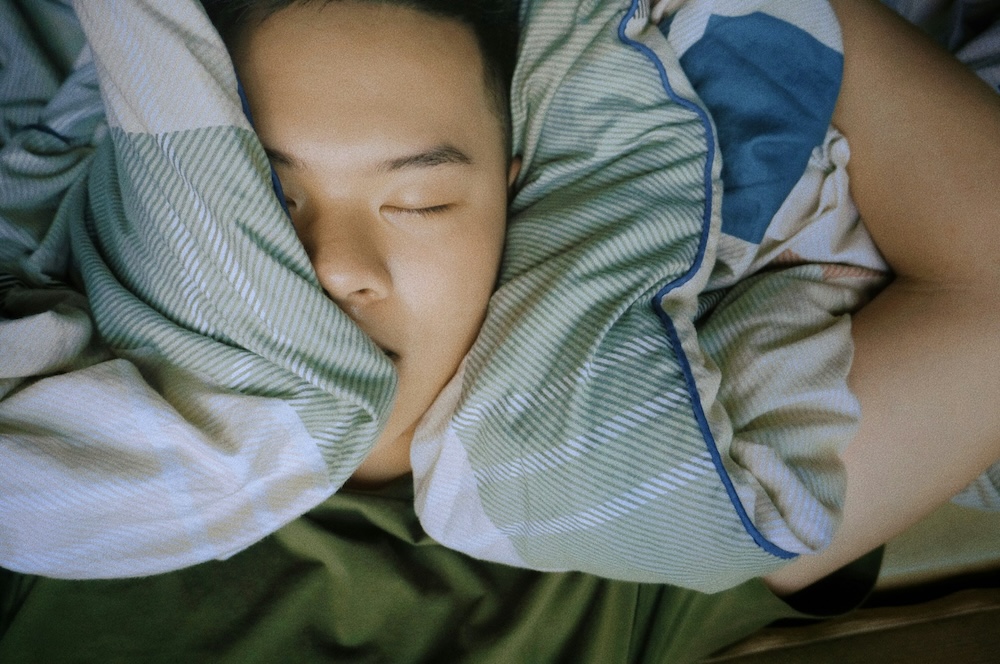
High schools in Pennsylvania can now get state grant money to help them transition to later start times. A new law passed in Pennsylvania recommends secondary schools start no earlier than 8:30 a.m. And the new state budget provides grant money for schools that want to adjust their start time to better align with teenagers’ biological clocks.
Dr. Joanna Fong-Isariyawongse, a sleep neurologist at the University of Pittsburgh, says four out of five teenagers are not getting enough sleep.
“Teenagers are not wired like adults or little kids. Their brains don’t release melatonin, which is the hormone that makes you sleepy, until around 11pm or later. And that’s biology, not laziness,” Dr. Fong-Isariyawongse says.
“When high schoolers have to be at the bus stop at 6am or 6:30 a.m. or earlier in the morning, we’re asking their brains to function on maybe five or six hours of sleep, night after night, for four years straight,” she says.
Dr. Fong-Isariyawongse says this can affect their academic performance and lead to mental health symptoms, like depression and anxiety. It can also lead to safety issues, more car accidents, and for the schools, lower attendance, more tardiness and lower graduation rates.
Nearly 50 schools in Pennsylvania have already switched to later start times, and there is now research showing how it has impacted students’ grades and learning. To learn more about how that transition is going, you can watch this Rested & Ready Forum webinar, where some of those superintendents explaining how they made the change to later start times is going.
To learn more about the reasoning behind starting school later, visit the Regional Adolescent Sleep Needs Coalition (RASNC): PA – Southeastern.