
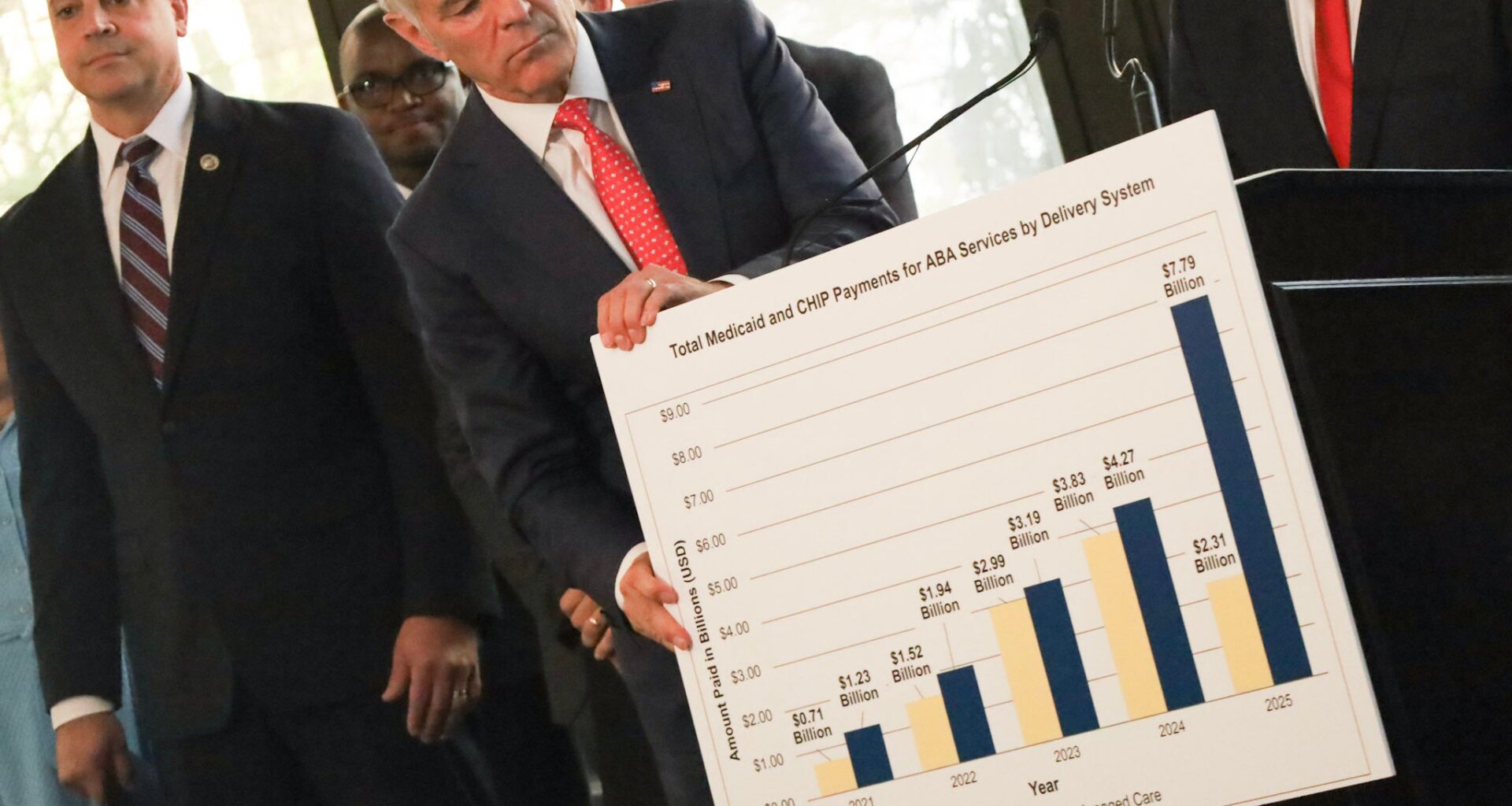
Home care jobs have skyrocketed in many states, including Pennsylvania, to dubious levels, Oz claimed. It could indicate that it has become an attractive area for “fraudsters” and “grifters” who are billing Medicaid for caregiving work that they aren’t providing, he said.
“The surge in enrollment of individuals in these programs is stunning,” Oz said. “It’s becoming a jobs program. Medicaid fraud in the state is costing taxpayers for care that was never delivered, or even worse, harmful.”
Pennsylvania launched its in-home health and personal care program for designated caregivers in 2018. Since then, Metcalf said it’s been difficult for state regulators and investigators to verify that specific services are being provided on any given day, even with electronic monitoring programs and phone apps that are used to track workers’ shifts in real time.
“Because the caregiver or the client behind closed doors simply can tap a button on their smartphone app or call in, and that record doesn’t actually establish that the person was actually there or providing health care service,” Metcalf said.
The 19 people facing criminal charges for suspected fraud include a home health aid who allegedly billed Medicaid for services she provided while incarcerated. Another person submitted claims for work at a time when they were hospitalized, according to the charges.
Other people facing fraud charges billed Medicaid while they were supposedly working other jobs, in court, traveling out of state or the country, or engaged in drug activities. In one case, a person has been charged for allegedly claiming over 8,700 overlapping hours of paid work.