
For Andrés Cisneros, who directed “Philly Rumba” with Melissa Beatriz, sustaining community and culture requires deliberate action.
“Intentional support keeps them going, keeps them thriving, keeps them funded — and that’s where we all collectively come in,” Cisneros said.
Beatriz emphasized preserving history as a form of community care and building cross-generational connection.
“I encourage everyone to digitize from your parents, grandparents and families. Find those tapes and see what other stories come out of those archives, and pass that on to whoever is kin to you,” Beatriz said.
While the filmmakers described the ideas behind their work, the people at the center of their stories offered their own perspective on what those themes look like in everyday life.
Tony Crosby, a member of Little Afrika, a percussion group featured in “Philly Rumba,” said the group’s music is about more than performance. It is a way of sharing history and culture across communities.
“We get to inform people of what we do, our culture, in the English language, and it is easy to convey to everybody,” Crosby said.
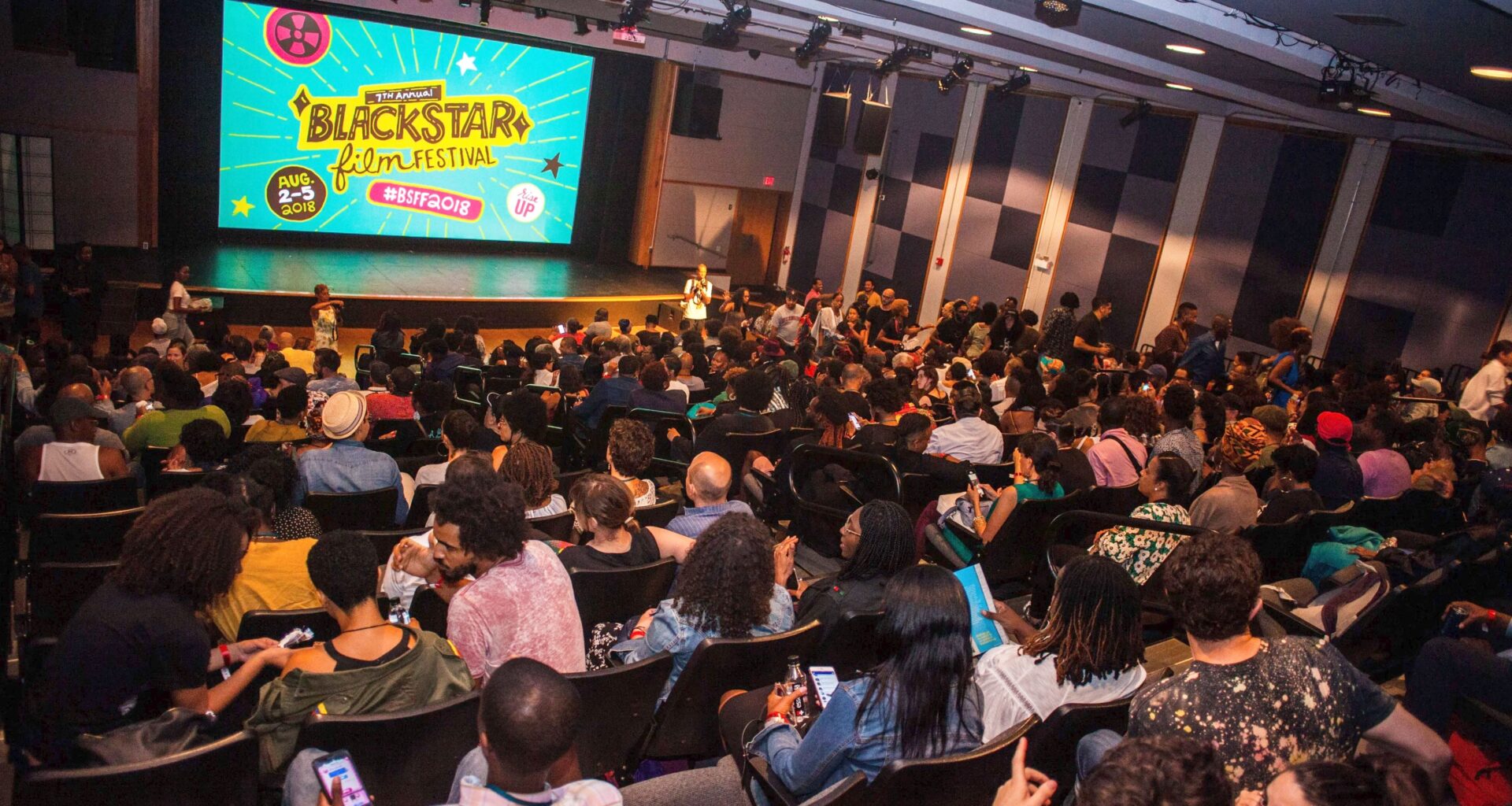
The ideas shared by the filmmakers and the stories shared by the people at the center of the projects carried onto the audience members attending the festival and viewing the films.
For Milena Mikael-Debass, a first-time BlackStar attendee, the documentaries reinforced the importance of taking ownership of your own story.
“What resonated with me the most was this idea of not waiting for permission, of owning agency and getting creative,” she said.
Mikael-Debass said festivals like BlackStar serve an important role in bringing communities together because they provide “a springboard from which we can share ideas for ways to fight and achieve liberation.”
A schedule of all BlackStar screenings and events can be found online.