
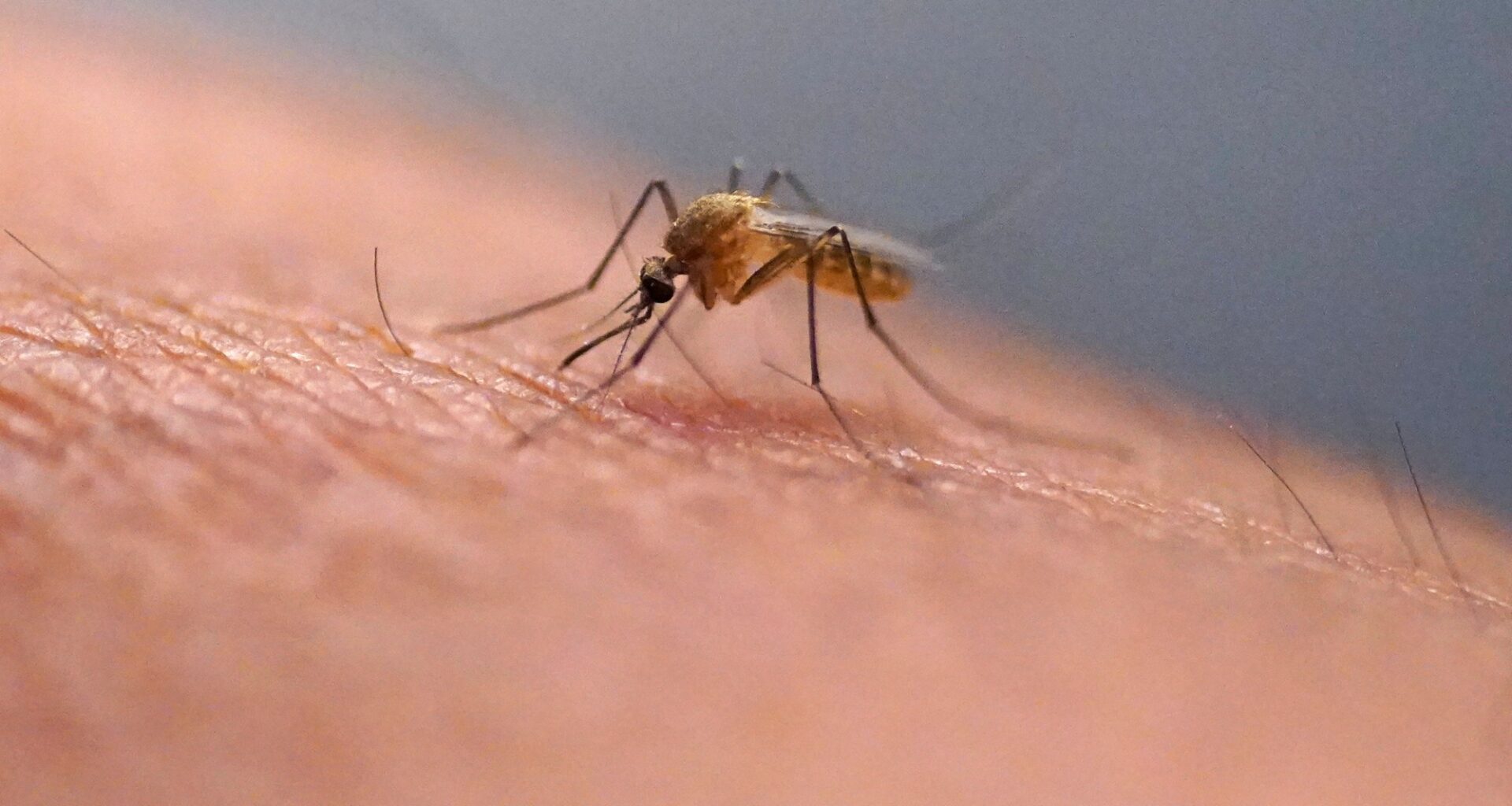
No human cases of West Nile virus have been reported in Lackawanna County in 2026 after the county recorded one of just five West Nile deaths registered statewide during the 2025 season.
West Nile, which is primarily spread through the bite of an infected mosquito, remains the most common mosquito-transmitted virus in the country. Human cases are relatively rare.
There were only 80 such cases in Pennsylvania last year, with Lancaster County accounting for by far the most with 21. Lackawanna and Schuylkill counties were the only counties in the northeast region with human cases in 2025, recording one each. Lackawanna was among five counties statewide with a virus death, the others being Dauphin, Lancaster, Lebanon and Montgomery counties, a 2025 summary published by the state Department of Environmental Protection shows.
The virus has been identified this year in several positive mosquito samples collected in Lackawanna County, where the county’s West Nile virus surveillance program remains ongoing.
The most recent sample, collected Aug. 3 at McDade Park in Scranton, marked the fourth time West Nile was detected in the county this summer. The first positive mosquito sample was collected June 26 at Oak and First streets in Taylor. The virus was also identified in two other samples collected July 13, one at Oak and First streets again and another at the Lackawanna River Heritage Tail’s Laurel Street Trailhead in Archbald.
A DEP-published West Nile virus activity map last updated Friday shows positive mosquito samples have been collected this year in other local counties, including one each in Pike, Schuylkill, Wayne and Wyoming, two in Monroe and 15 in Luzerne. In Susquehanna County, meanwhile, the virus was detected in two crows, according to other DEP data. All bird testing is performed by the Pennsylvania Game Commission.
Allegheny County accounts for the lone human case in the state so far this year, but that case is considered provisional, meaning it’s still being reviewed and could change.
Human symptoms of West Nile virus include fever, headache, body aches, vomiting, nausea, diarrhea, swollen lymph nodes, sore throat, rash and pain behind the eyes, according to the Cleveland Clinic. About 20% of individuals infected with the virus will experience symptoms, and in rare cases the virus can cause serious brain and spinal cord inflammation.
“West Nile is fatal in about 1 out of 10 people with nervous system infections (or about 1 in 1,500 people with West Nile),” the Cleveland Clinic’s website notes.
Residents can help mitigate West Nile risk by eliminating standing water on their properties, as even small amounts of standing water can serve as breeding grounds for mosquitoes, Lackawanna County West Nile Virus Coordinator Rocco Genovese said Monday.
“Standing water is number one, because (mosquitos) start their life in water and if you eliminate the water, well, they have nowhere to reproduce,” he said. “A lot of times when we have a dry season like this we’ll see lower trap counts … but higher positives, and we haven’t seen the higher positives yet which is a good thing, but I’m expecting it any day now.”
Genovese also encouraged people who feel ill with flu-like symptoms in the summer to get tested.
“It’s best to just play it safe and get checked out,” he said. “If you’re getting the flu in August something is off.”
The county’s West Nile surveillance efforts will continue into early October.