
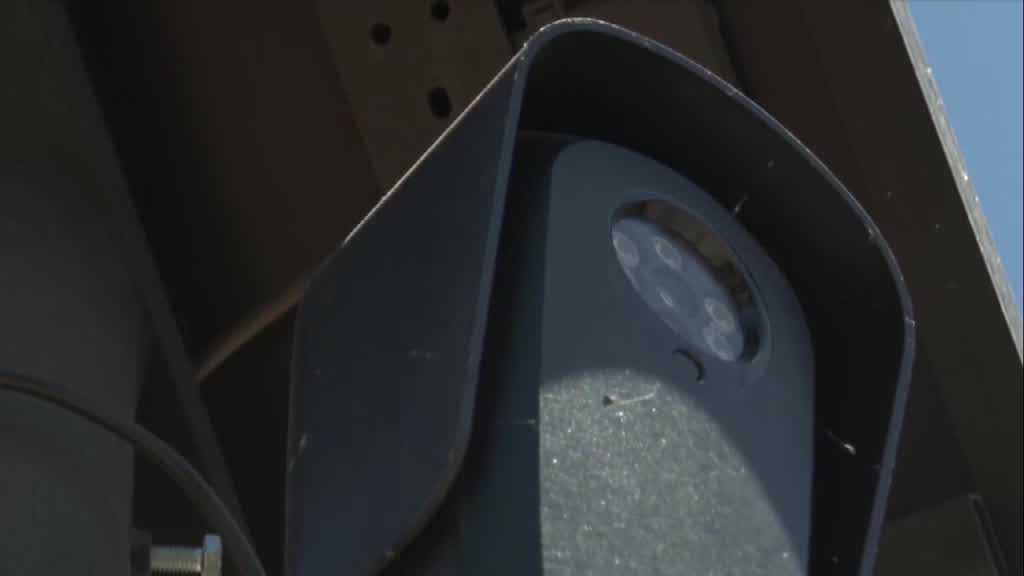
On both sides of the aisle, Pennsylvania lawmakers eye legislation on automatic license plate readers
 HARRISBURG, Pa. —
Pennsylvania lawmakers are proposing new restrictions on how automatic license plate reader data can be accessed and shared, citing concerns about privacy and the growing commercial use of information collected by the devices.
Proposal targets third-party access to plate data
Rep. Brenda Pugh, R-Luzerne County, is proposing legislation that would prohibit vendors from selling, disclosing, transferring, licensing or otherwise providing license plate reader data without the express authorization of the law enforcement agency that contracted with the vendor.
Pugh said the proposal is not aimed at a specific company or technology, including Flock Safety, a license plate reader company that has drawn scrutiny in Pennsylvania and elsewhere.
Instead, she said, the legislation would focus on restricting third-party access to data collected for law enforcement purposes.
Pugh said some vendors have developed commercial markets for license plate information, making the data available to lenders, insurers, debt collectors and vehicle repossession companies.
“The back ends have to be locked down completely,” Pugh said. She said vendors should not have continuous access to the cameras or the systems storing the data.
Law enforcement could continue sharing information
The proposal would allow law enforcement agencies to share information with other law enforcement agencies for legitimate public safety purposes, including investigations involving missing people or suspected serious crimes, Pugh said.
“In order to keep that a public safety side of it, I would be OK with law enforcement sharing it with law enforcement,” she said. “But I don’t think anybody else, third party or vendor, should have access to that.”
Democrats seek safeguards and penalties
Several House Democrats also announced legislation aimed at preventing the misuse of license plate reader data and establishing penalties for improper use.
The legislation would seek to protect personal information and civil liberties by establishing rules for access to the data, requiring officials to document the reasons for searches and creating audit trails to track how the information is used.
As this technology becomes more prevalent across Pennsylvania, we have an opportunity to put strong protections in place now,” Rep. Tarik Khan, D-Philadelphia, said. “Pennsylvanians deserve to know their personal information is protected and their civil liberties are respected. We can fight crime without sacrificing either.”