

Why is a gallon of milk $3.48 for me, but $5.71 for a resident who lives down the road?
Surveillance or algorithmic pricing is the answer.
Every week, families across Pennsylvania walk through grocery stores and have to make difficult choices. Do I buy the healthier option or the cheaper one? Do I put something back? Can I afford groceries and still pay the electric bill?
Families are already being squeezed by rising costs, and major corporations are using technology to make it even harder for people to afford the basics.
Algorithmic surveillance or personalized pricing uses computer programs and AI to analyze consumer data to help corporations charge the maximum amount for a product.
The data can include your shopping history, location, browsing behavior, device information, and other information collected without your knowledge from your phone.
Companies know if you have kids, where you vacation, the car you drive, and pets you care for. They can use this information to jack up prices to the maximum that you will pay, making your night’s groceries cost the most during the pre-dinner rush.
Businesses have always adjusted prices based on supply costs, competition, and sales, but that’s not the concern. The concern is that companies are being given information on everything about you to determine the highest price that you will pay. It’s predatory.
Target settled for $5 million dollars in California after allegations that the company was changing prices for certain items when a customer who was using the Target app on their phone walked into the brick-and-mortar store.
This isn’t about supply cost or even making a profit; this is about greed.
Researchers have been studying this issue for years, and more recently the National Bureau of Economic Research has examined algorithmic pricing in online grocery markets. They found that online prices can vary significantly, with algorithms adjusting prices frequently.
The Federal Trade Commission has also investigated surveillance pricing, raising concerns about companies using detailed consumer data to set individualized prices.
Consumer Reports and Groundwork Collaborative found that there was as much as a 23% difference between what customers paid for the same product using Instacart.
Researchers took several months to investigate over 400 shoppers, and they discovered that there were as many as 5 different prices for the same product simultaneously.
Consumer Reports estimated that the price differences they observed could translate to roughly $1,200 annually for a household of four.
The Consumer Reports investigation sparked legislative and regulatory responses, including Instacart vowing to stop the practice.
States across the country are beginning to recognize that this technology needs guardrails. In New York, they require disclosure.
Illinois is looking at prohibiting discriminatory algorithmic pricing while New Jersey is moving to prohibit personalized pricing. Maryland passed comprehensive legislation banning personalized pricing earlier this year.
Pennsylvania is falling behind. The legislature needs to reintroduce HB1942, which would have banned algorithmic grocery price setting, and HB1779 to require disclosure that your personal data was used to set the price.
A bill (HB2626) currently in the Rules Committee would ban dynamic or surge pricing enabled by digital price tags. Dynamic pricing allows corporations to quickly change the prices without notice; we shouldn’t wait for this problem to get worse.
Food is not a luxury. We can choose not to take an Uber during surge pricing or to not buy a concert ticket, but we can’t choose whether to eat. Inflation is bad enough, and we can’t allow corporations to build a second layer of inflation by using AI to figure out exactly how much more they can squeeze us.
According to the Pew Research Center, 8 out of 10 adults shop online. More than 60% of adults order groceries online at least on occasion, according to an article by Capital One Research.
As working and middle-class people, we are counting every dollar. Many of us have had to put something back because the money just wasn’t there. We are choosing between groceries, rent, and utilities, so another dollar here and another dollar there is significant.
The price should be the price. When you walk into a grocery store or order online, the price on the shelf should be the price everyone pays.
The author is an Allentown City Councilperson and a candidate for the Pennsylvania State House.


Researchers took several months to investigate over 400 shoppers, and they discovered that there were as many as 5 different prices for the same product simultaneously.
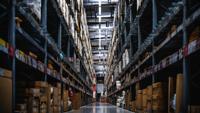
I watched the Lehigh Valley’s warehouse economy transform Upper Macungie before my eyes.

When do we truly reckon with the weight of war?

One year ago, the Working Families Tax Cuts became law — driving economic growth, lowering costs for families, unleashing America-first energy policies, and reclaiming America’s position as the world’s leading energy producer and exporter.

Berks County District Attorney John Adams’ comments on skill machines highlight a recurring flaw in modern policymaking: The assumption that any untaxed activity represents lost government revenue waiting to be captured.
Load more