
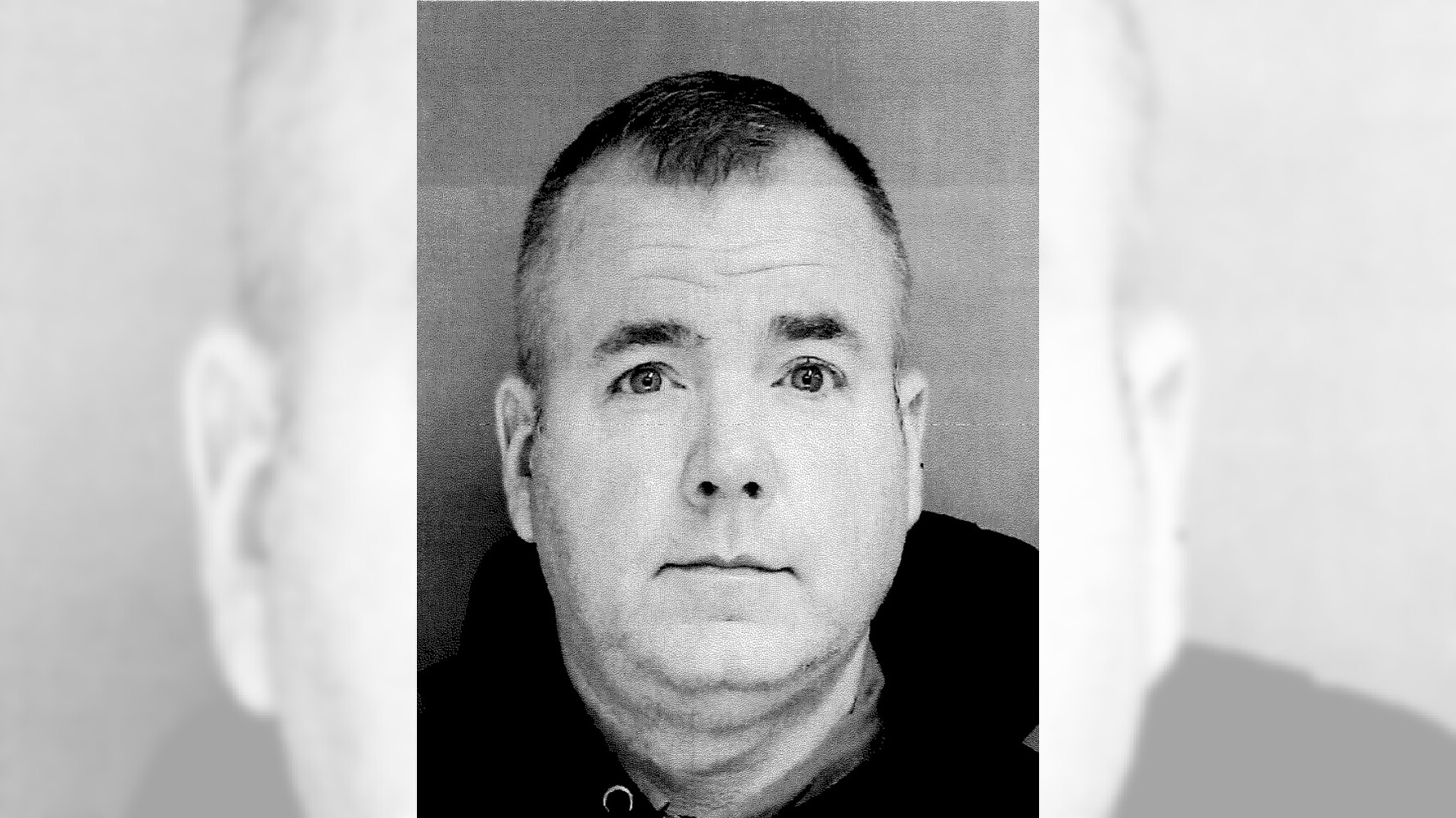
The fate of a former Scranton police officer accused of sexually assaulting multiple high school students over nearly a decade is now in the hands of a jury.
During closing arguments Thursday morning, prosecutors and defense counsel presented the 12 jurors with very different interpretations of Stephen Carroll’s actions from 2008 through 2017, the period during which he is accused of rape, unlawful contact with minors, sexual assault and other offenses.
His alleged victims included four male West Scranton High School students, as well as a fifth juvenile he met while responding to the boy’s residence for a family mental health issue.
Both defense attorney Jason Shrive and Senior Deputy Attorney General Helen Park agreed during closing arguments that Carroll used bad judgment and invited underage boys to his house for drinking parties.
First up, Shrive argued that the bad behavior, no matter how inappropriate, didn’t translate to sexual assault. He pointed out most of the offenses Carroll is accused of happened more than a decade ago. Only two of five alleged victims in the case immediately reported the assault — one to an emergency room doctor and one to his mother.
In the case of the emergency room doctor, the alleged victim asked that medical personnel not contact police and left the medical facility. In the second case, there is no record of the alleged victim’s mother alerting school officials or other authorities.
Shrive argued that many of the alleged victims had been drinking or using drugs at the time the sexual crimes were alleged to have taken place.
Shrive told jurors that “motive matters,” referencing a potential civil case for which he said the five had consulted attorneys.
“Money is a heavy motivator,” he said.
He told the jury that it would not be him or Park that would truly have the last word.
“That word or two words should be ‘not guilty,’ ” he told them.
Compelling testimony
Park, on the other hand, asked the jury to consider the demeanor of the five alleged victims who testified against Carroll.
Their willingness to courageously get up on the stand — emotional, embarrassed and needing to confront their accuser — was a testament to their commitment to telling the truth, she said.
She reframed seeming inconsistences pointed out by the defense as examples of how difficult it was for the juveniles, now young men, to come to terms with what had happened to them.
One witness, she said, had previously told state police he had been at Carroll’s house several times but testified he had been there only once. Normally when someone is intentionally lying, they lie in a way that would benefit them, Park said.
Had the victim been testifying in anticipation of a civil case, he would have made the situation seem worse, not better, she said.
Park emphasized that the five alleged victims were vulnerable, coming from troubled backgrounds and difficult home lives that made them easy targets for Carroll.
Carroll provided them with alcohol in an effort to groom them and break down their defenses, she said. The fact that they used drugs and alcohol at the time of the alleged offenses was consistent with troubled teenagers looking for approval and belonging.
It didn’t undermine their credibility, she told jurors.
Two other young men testified that they had attended parties at Carroll’s house but hadn’t witnessed any inappropriate sexual activity. Those two came from stable homes and were more likely to disclose sexual abuse to a parent or family member, Park said.
Like Shrive, she also asked the jury to be mindful of the importance of having the last word and asked them to bring back a “guilty” verdict.
The victims of Carroll’s actions didn’t get a day off from the impact of his crimes, she said.
“It is their own personal crime scene and their hearts are graveyards,” she said. “It is time to turn their graveyard hearts into gardens where they can plant peace and hope.”
The jury was scheduled to begin deliberations Thursday afternoon.