
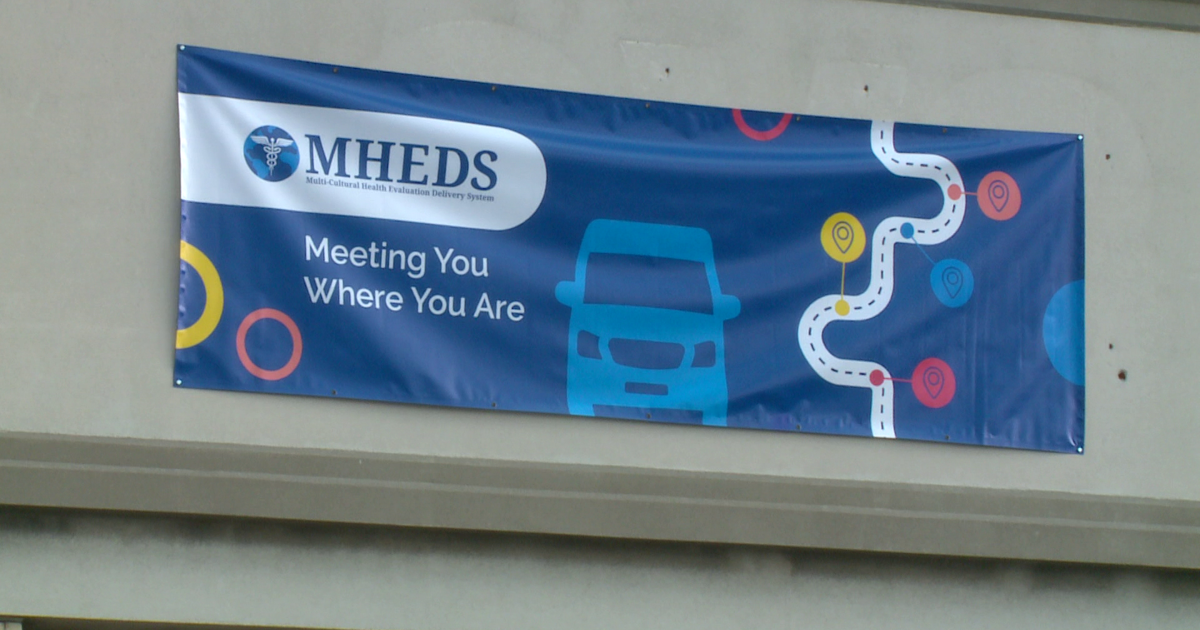

The Multi-Cultural Health Evaluation Delivery System (MHEDS) has secured federal funding through the Health Resources and Services Administration’s (HRSA) 2026 New Access Points program, a milestone that will strengthen access to primary healthcare services for residents across the Erie region.
The award marks a significant step forward for the organization, advancing MHEDS from Health Center Program Look-Alike status to becoming a fully HRSA-funded health center. MHEDS was one of 158 health centers selected nationwide and one of only five organizations in Pennsylvania to receive funding through the latest round of the federal program.
The funding is part of a $102 million national investment announced by the U.S. Department of Health and Human Services to expand access to healthcare services in underserved communities across the country.
According to MHEDS Chief Executive Officer Alivia Haibach, the award validates years of work focused on removing barriers that prevent individuals and families from receiving necessary care.
Founded in 1972 as a joint project of the Erie Diocesan Mission Office and the Erie Council of Churches, MHEDS has evolved over the decades to provide primary healthcare services while expanding support for refugee and immigrant populations. The organization joined the federal Health Center Program as a Look-Alike in 2019 and has continued its mission of providing care regardless of a patient’s ability to pay.
The organization’s achievement was also praised by regional healthcare leaders.
Haibach emphasized that while the designation is a major accomplishment for the organization, its true value lies in the impact it will have on local residents.
The federal designation will provide MHEDS with additional resources to expand access to primary care and other healthcare services for underserved populations throughout the Erie region.
Nationwide, HRSA-funded health centers serve more than 32 million people through over 16,000 service sites, providing primary care, behavioral health, oral health, preventive services, and chronic disease management. According to federal data, health centers serve one in eight children, one in five rural residents, and one in 15 adults age 65 and older across the United States.