
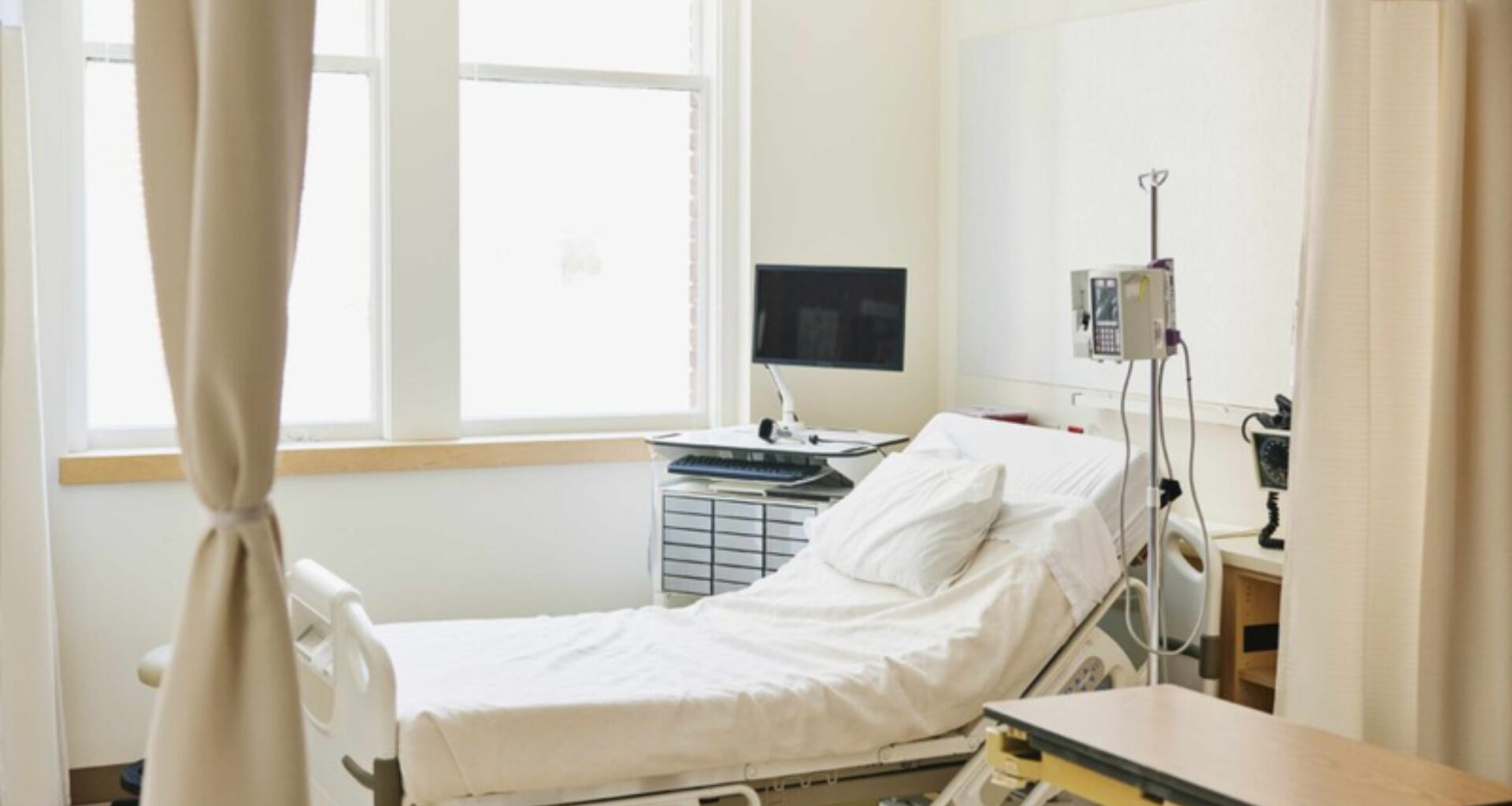
Photo by Thomas Barwick/Getty Images
Though nearly 20% of the state’s population is rural, only 10% of the state’s physicians and hospital beds are in rural counties.
Pennsylvania is projected to be short 2,500 physicians by the year 2038, but Jose Serrano is already seeing the impact in his Hanover emergency department. He reported that it took 62 days to get a primary care appointment in Adams or York counties, even as his patient volume grew by nearly 30% over the last four years.
“People are using emergency services as a surrogate for their healthcare and it is the most expensive way to deliver care,” said Serrano, an emergency physician with UPMC.
But there are limited numbers of domestically trained physicians and college enrollment is declining. Instead, some groups are asking Pennsylvania to look abroad, at students who were educated outside of the country, to supplement the state’s healthcare workforce.
“When we look at the numbers … we’re nowhere near the number that we need,” said Jennie Dallas, the state Strategic Director of The Libre Initiative, adding that roughly one-third of the commonwealth’s current physician workforce is retirement age.
Center-right and conservative organizations, led by Dallas’ Latino-focused group, invited Republican state lawmakers to a roundtable health policy discussion in York on Wednesday to explore a proposed legislative solution.
House Bill 2121, sponsored by Rep. Danilo Burgos (D-Philadelphia), allows for a provisional licensure pathway for foreign-trained physicians with an explicit goal to reduce doctor shortages in underserved areas or approved specialties.
To qualify, medical students must be proficient in English, have a U.S. work authorization and a full-time job offer. The supervised license lasts four years, with the opportunity for full licensure.
Both Alabama and Tennessee passed laws creating these pathways in 2023, but more than a dozen other states have their own versions.
More about the proposal
Supporters were clear to distinguish this provisional license from the institutional licensing currently available to a few hundred doctors who got their medical education outside of the United States.
“It’s relatively easy to get an institutional license for … those very specialized services,” said Serrano. “We have two (ears, nose and throat) physicians, both from Egypt, and they do very great. They see pediatric patients and I don’t have to send them away from Hanover to Pittsburgh or Harrisburg.”
But the same can’t be said for primary care physicians.
Of the 212 institutional licenses issued in Pennsylvania between 2022 and 2025, only six went to a non-academic hospital system, said Lawson Mansell, a health policy analyst with the Niskanen Center.
“From what we can tell, the institutional license pathway is working for big hospitals and large academic institutions, but it’s not serving the small institutions or rural institutions that often need these doctors,” he continued, noting that Federally Qualified Health Centers in underserved areas also aren’t eligible.
The most accessible pathway for foreign-trained physicians is to compete against American medical school graduates for a limited number of residency slots. But just under 10% of American graduates aren’t matched in any given year.
“(But) folks who did their medical school in the U.S. and did their residency overseas, are not eligible for institution (licenses),” said Mansell. “They come back to Pennsylvania to find a barrier and have to redo their residency again.”
The proposed legislation offers an alternative pathway, supporters argued.
“You have three years to demonstrate that you know what you’re doing and practicing (medicine) with supervision from other doctors in Pennsylvania,” added Jonathan Wolfson, a senior fellow with Niskanen. “There are red states, blue states, purple states that have done this … a doctor shortage is not partisan, and some solutions to the doctor shortage do not themselves need to be partisan.”
In other states, medical licensing boards have opposed these bills. Sen. Kristin Phillips-Hill (R-York) warned that “this is a really difficult space to legislate in,” pointing to a “Herculean effort” to allow pharmacists in other states to work in the commonwealth.
“This is very complicated because there’s a lot of entrenched interests who are protecting their own licensure,” she continued.
Lobbying organizations for physicians have also opposed efforts to expand the scope of practice for other highly trained providers, such as nurse practitioners. The bill hasn’t yet had a committee hearing.
It’s also unclear how many people might be attracted to the pathway, as the nationwide immigration crackdown has pushed out other foreign-trained healthcare providers and curtailed how many are allowed into such programs.
——
Pennsylvania Capital-Star is part of States Newsroom, a network of news bureaus supported by grants and a coalition of donors as a 501c(3) public charity. Pennsylvania Capital-Star maintains editorial independence. Contact Editor Tim Lambert for questions: info@penncapital-star.com. Follow Pennsylvania Capital-Star on Facebook and Twitter.