
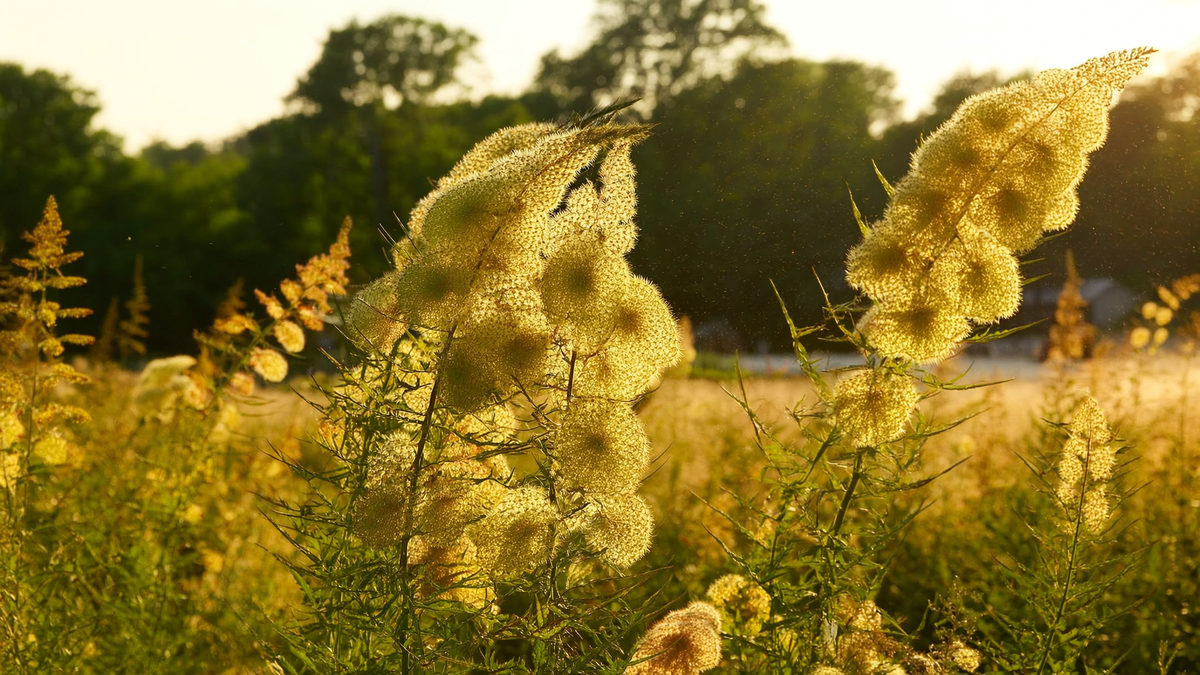
Millions of people across the region face a longer, more intense ragweed allergy season this year as hotter summer and fall temperatures fuel more pollen production, a Philadelphia allergist warns.
Throughout August and September, ragweed plants native to Pennsylvania, New Jersey and Delaware release billions of lightweight pollen particles carried by the wind. For people with a ragweed allergy, that means weeks of itchy, watery eyes, sneezing, congestion, headaches and fatigue. Allergy experts say those symptoms will stretch further into the fall this year, and in coming years, as climate change drives higher temperatures and increased humidity.
“More people are being affected as a result, and there’s a greater severity of symptoms,” said Dr. Manav Segal, allergist, immunologist and owner at Chestnut Hill Allergy & Asthma Associates.
A prolific pollinator hiding in plain sight
Ragweed is a green, weedy plant commonly found along riverbeds and highways, on playgrounds, in backyard gardens and throughout vacant lots. Some species have fernlike or palmlike leaves and can grow as tall as 6 feet.
“One of the issues with ragweed is it’s a prolific pollinator,” Segal said. “And the pollen that we’re affected by, it’s lightweight, it’s invisible, it’s carried by the wind and it can travel miles and miles. So, the pollen you’re affected by, you may not see plants immediately around you.”
Most people develop a ragweed allergy after repeated exposure to its pollen. Over time, the immune system begins treating the allergen as an unsafe substance that needs to be fought off, like an infection. That overreaction causes allergy symptoms and can create serious complications for people managing chronic conditions like asthma.
“Asthma patients could have increased coughing, wheezing, shortness of breath,” Segal said. “So, fall can be a time when people’s asthma becomes poorly controlled.”
Hidden costs for families and workers
While some children and adults experience mild symptoms, others face reactions severe enough to disrupt daily life.
“It can account for a lot of missed work, missed school for kids, medication expenses,” Segal said. “These are some of the hidden costs.”
Midday is the worst time to be outside
Ragweed pollen counts tend to peak around midday, so avoiding outdoor activities and exercise during those hours can help. People who need to be outside can wear sunglasses to block pollen from direct contact with their eyes, and masks can reduce the amount inhaled.
Over-the-counter nondrowsy antihistamines and steroid nasal sprays are effective for many people, Segal said. These are the same medications and brands used for tree and grass allergies in the spring.
For people who don’t get relief from those options, longer-term treatments like allergen immunotherapy may help reduce the body’s sensitivity to ragweed and other allergens over time.
“They don’t take immediate effect, but they can, over time, make people less allergic, less symptomatic, reduce medication demands,” Segal said.