
The Pennsylvania Fish and Boat Commission and the Department of Conservation and Natural Resources announced a collaborative strategy to expand public fishing and boating access across the state.
The statewide plan is designed as a blueprint for state agencies, local governments and nonprofit organizations to develop recreational opportunities in their communities while removing barriers that prevent some residents from using existing facilities.
“Pennsylvania is rich with more than 85,000 miles of rivers and streams and 4,000 lakes that provide recreational fishing and boating opportunities, and this strategy will help make more of our natural resources accessible to everyone,” DCNR Secretary Cindy Adams Dunn said.
Read the full Pennsylvania Fishing and Boating Access Strategy 2026 at pa.gov.
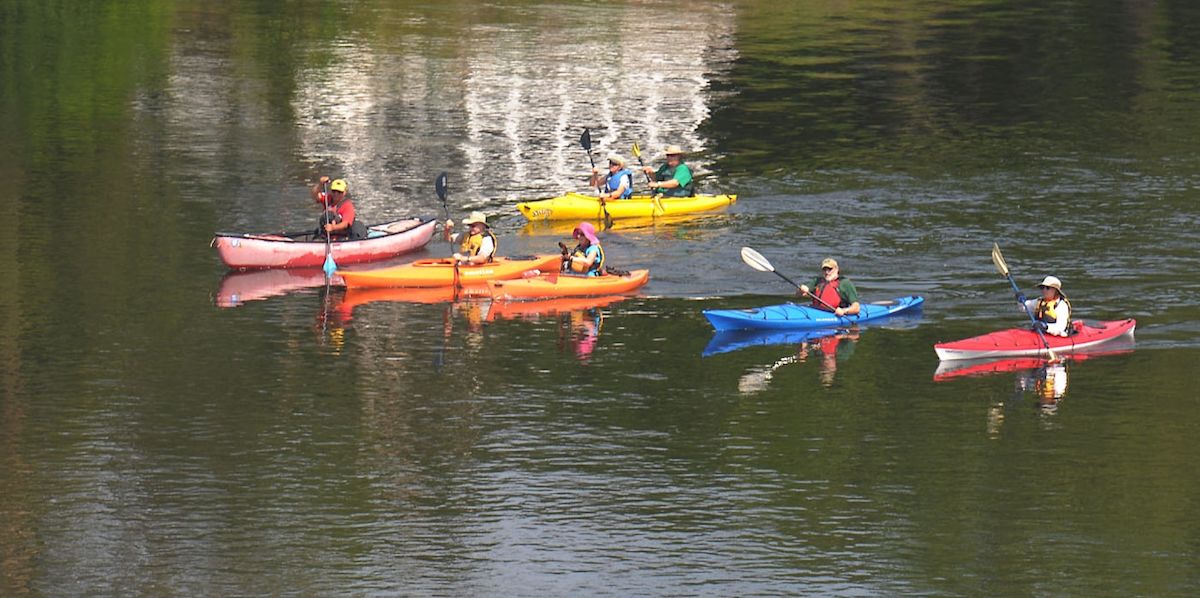
It seeks to address growing demand for water access, particularly as interest in kayaking and canoeing has reached record levels, according to state officials. Many visitors encounter obstacles ranging from physical challenges to a lack of nearby entry points.
Announced Aug. 14, the plan outlines the ambitious goal of placing a recreational water site within a 10-minute drive of every resident. Currently, 61% of Pennsylvania’s population lives within a 10-minute drive of one of the state’s 1,125 publicly accessible water areas.
The strategy addresses significant disparities in access. Residents in the Philadelphia region and those of Hispanic or Latino descent report higher levels of inaccessibility, according to officials.
Mark Sweppenhiser, director of the PFBC’s Bureau of Boating, said the strategy provides tools for watershed organizations and managers of Pennsylvania’s 29 designated water trails to optimize placement of new projects and prioritize areas with limited access.
“By optimizing placement for new public fishing and boating projects, prioritizing areas with limited access, building local support for access projects, and focusing on existing Water Trails, we can work alongside our partners to maximize the usability of our waterways to meet the interests of their communities,” Sweppenhiser said.
Future projects may include new boat launches, walk-in fishing trails and ADA-accessible features. Looking beyond standard accessibility, the plan calls for specialized sites that include kayak chutes, boarding benches and overhead grab bars that allow individuals with mobility restrictions to transition into boats or fish with greater independence.
Safety enhancements outlined in the strategy include a standardized system of land-based and waterway signs, with reflective markers for emergency responders and navigation aids to alert boaters to hazards such as low-head dams.
Local governments and nonprofits can access funding through the Boating Facility Grant Program and the Community Conservation Partnership Program. Most grants require a one-to-one financial match and a commitment to maintain the site for at least 25 years.
The economic impact of water recreation in the Keystone State is substantial. Boating and fishing contributed more than $900 million to the state’s economy in 2024, supporting thousands of jobs.
more pennsylvania fishing news
Read the original article on pennlive.com. Add pennlive.com as a Preferred Source by clicking here.