
Philadelphia was more than the birthplace of American independence — it was a hub where ideas took shape, and a new exhibit will explore just how much that early history helped form America’s development.
With ‘Pennsylvania’s Founding: How a City and a Colony Shaped America’s Civic DNA’, the National Constitution Center and Drexel University have teamed up to unveil the showcase, which will be on view to the public Sept. 30 through Jan. 3. A special public town hall, ‘The Holy Experiment: Religious Liberty, Pennsylvania, and the Making of America’, will also take place Sept. 29 to mark the exhibit’s opening.
“The National Constitution Center is honored to host this important experience, which offers visitors rare opportunities to see the documents and artifacts that shaped Pennsylvania’s distinctive civic traditions and helped lay the groundwork for American constitutional democracy,” says Vince Stango, interim president and CEO of the National Constitution Center.
“As we begin the Civic Decade, the years between the 250th anniversaries of the Declaration of Independence, the Constitution, and the Bill of Rights, it reminds us that constitutional democracy is not simply inherited. It is built and renewed by generations of people willing to put new ideas into practice, strengthen civic institutions, and expand the promise of self-government. By reflecting on those early experiments, we are reminded that each generation has a role to play in carrying America’s constitutional story forward.”
The exhibition brings together rare documents and artifacts. Highlights include a 1556 edition of Magna Carta once owned by Benjamin Franklin, William Penn’s own 1687 edition, and an original 1681 Pennsylvania Charter bearing King Charles II’s seal.
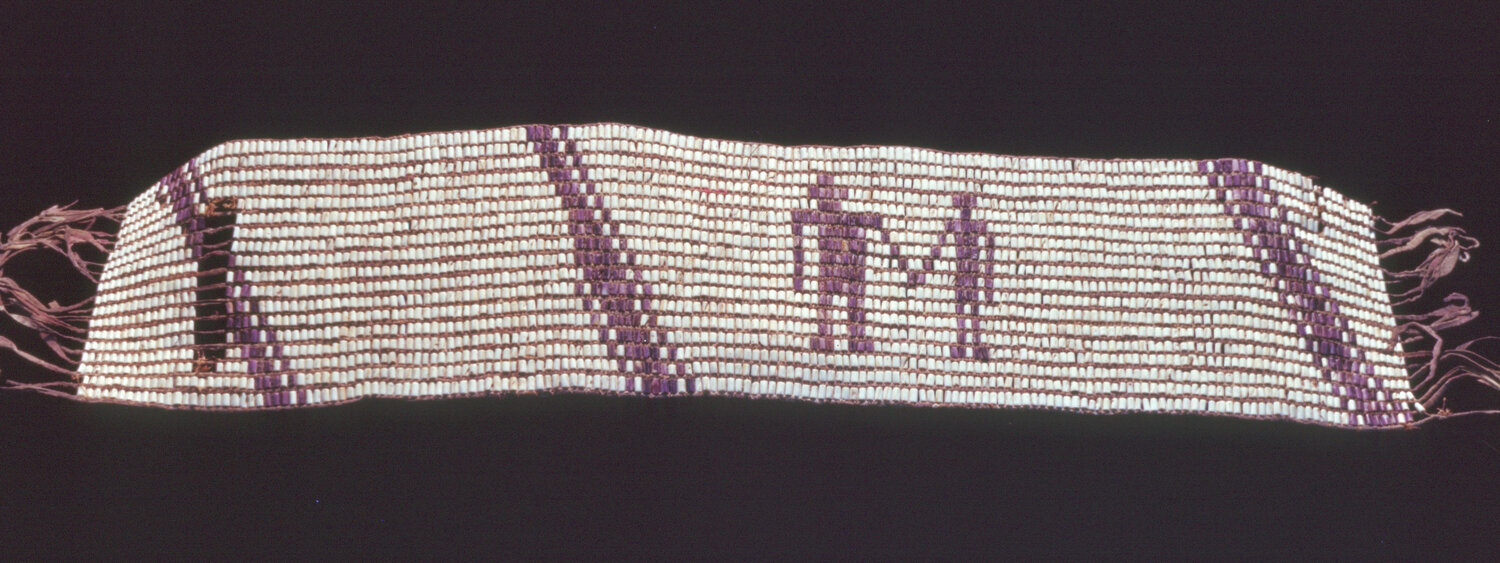
Visitors can also see a Lenape wampum belt associated with the 1682 Treaty of Shackamaxon, Thomas Holme’s 1683 plan of Philadelphia and Penn’s 1701 Charter of Privileges, which established protections like religious freedom. Other significant materials include Penn’s 1701 city charter, an early Quaker protest against slavery from 1696 and a rare 1776 printing of Pennsylvania’s first constitution.
‘Pennsylvania’s Founding’ also captures Philadelphia’s transformation through historic maps, plans and artwork. One standout in this section is ‘The South East Prospect of the City of Philadelphia’, created around 1718. It’s currently recognized as the oldest surviving painting of a North American urban center.
The National Constitution Center will offer educational programs through the exhibit as well, including gallery talks, special programs, artifact spotlights, exhibit guides and live virtual tours. Events marking Native American Heritage Month and Pennsylvania Ratification Day are also on the schedule, providing opportunities to examine artifacts up close.
Two interactive projects developed with Drexel students are also on the schedule. Throughout the experience, there’s an interactive timeline following William Penn’s life and the founding of Pennsylvania and Philadelphia. There’s also ‘Pennsylvania Mapped’, which uses historic maps and illustrations to explore the region’s changing landscape, including Indigenous lands.
As a release notes, organized into three sections, the exhibition additionally presents a nuanced look at Penn’s vision for Pennsylvania and the realities that challenged it. It explores his ambitions for religious tolerance, orderly government, and peaceful relationships with Indigenous communities while also confronting his involvement in slavery and the consequences of colonial expansion. Stories of displacement, land disputes, and conflicts reveal the tensions between Penn’s ideals and the complicated realities of colonial life throughout the showcase.
“Drexel’s collections and exhibits professionals, as well as our students, have been privileged to collaborate with the National Constitution Center on this important show,” finishes Rosalind Remer, PhD, senior vice provost of Drexel University Libraries, Collections & Archives. “In many ways, American history starts right here. This exhibit is a great way to tell that story to visitors—no matter where they’re from—as it’s a story that has resonance through the centuries to today.”
To learn more information on ‘Pennsylvania’s Founding: How a City and a Colony Shaped America’s Civic DNA’ opening at the National Constitution Center (525 Arch St.), visit constitutioncenter.org
MORE: Philadelphia at 250: A Center City walk through history
Keywords
National Constitution Center,
Philadelphia History,
Pennsylvania History,
Drexel University,
William Penn,
Benjamin Franklin,
Museums,
Philadelphia Events