
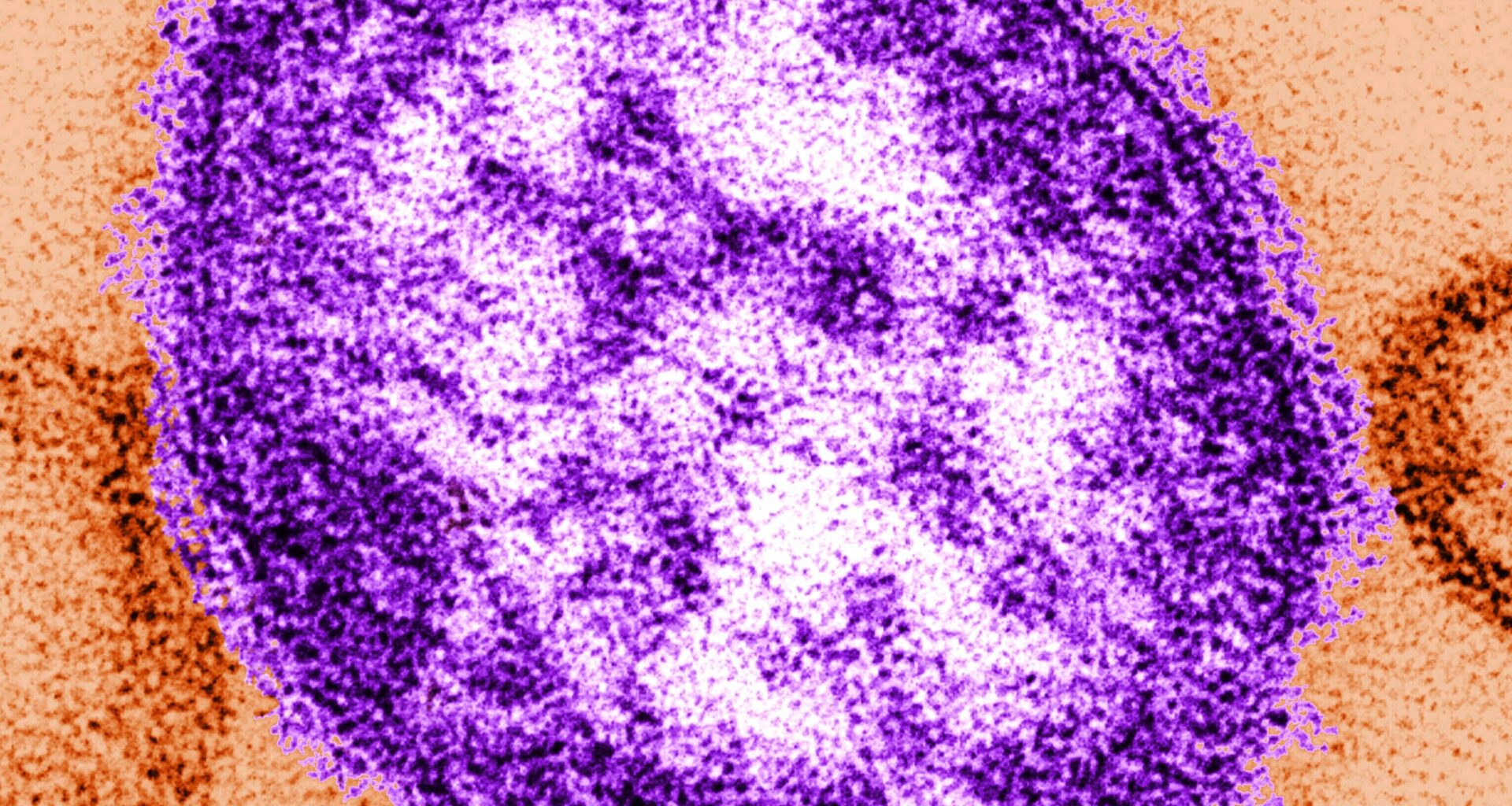
Measles symptoms, complications and vaccine protection
Measles is one of the most infectious viral diseases. It spreads when someone who is infected coughs, sneezes or breathes. The virus can linger in the air for up to two hours, creating an exposure risk for people passing through.
Early signs of infection can include cough, runny nose, red, watery eyes and a fever. A skin rash, the hallmark of measles, appears on the head and other parts of the body about three to five days after first signs of illness, according to the American Academy of Pediatrics.
Children and adults with measles may also have diarrhea or ear infections. While most people survive the disease, infection can lead to complications like pneumonia, encephalitis or brain swelling, deafness and intellectual disability and, in rare cases, death.
The combination measles, mumps and rubella vaccine, or MMR, “is safe and provides the best protection we have against measles,” Bogen said.
Two doses of the vaccine are about 97% effective against the virus. The American Academy of Pediatrics and the American Academy of Family Physicians recommend babies get their first dose after 12 months old and their second between 4 and 6 years old.
Families may be able to get their children vaccinated earlier if they plan to travel to areas with known measles outbreaks or internationally.
Adults can also get a measles shot if they’ve never been immunized or are unsure of their vaccination status.
Declining immunization rates and Pennsylvania efforts to boost MMR shots
More adults and children in Pennsylvania, and across the country, are vulnerable to measles infections due to declining vaccination rates. As a result, the number of infections and outbreaks has climbed.
State and local health leaders are focusing on increasing immunization rates in communities and in schools where rates have dropped below the 95% required for strong herd immunity, or when vulnerable people are still protected because they are surrounded by others who are vaccinated.
Pennsylvania residents who suspect that they’ve been exposed to measles and are experiencing symptoms should contact their local health care provider or call the state Department of Health hotline at 877-724-3258.