
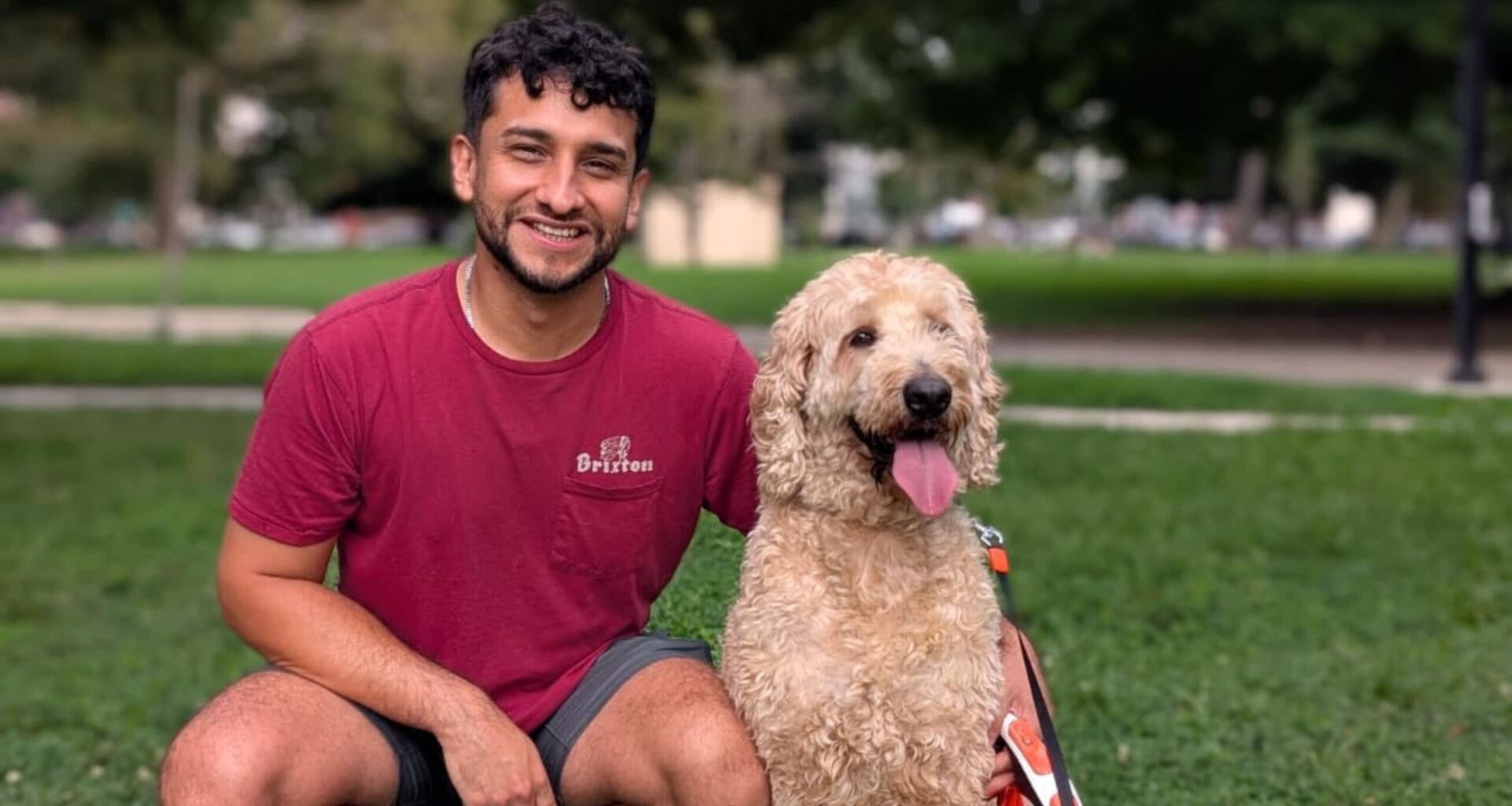
For Victor Espinoza, landing his dream job was overshadowed by delays with his work permit.
Espinoza is a Philadelphia-based software engineer working for JP Morgan. He is also a Deferred Action for Childhood Arrivals (DACA) recipient.
His family moved to the United States from Peru when he was nine. Growing up, he had an H4 visa, which are given to children of visa holders. When he turned 21, he had to apply for DACA — the program that allows people brought to the US as children to stay and work here — and now has to renew an employment authorization document every two years.
“I’ve done everything that I could to prevent this, and to chase that American dream.”
This year, widespread processing delays in the US Citizenship and Immigration Services meant he couldn’t get it renewed in time. He lost his ability to work.
Espinoza’s employer allowed him a 3-month leave of absence while he waited for the authorization to come through.
“It’s immensely overwhelming, and it’s an immense feeling of powerlessness,” he told Technical.ly during the waiting period. “I’ve done everything that I could to prevent this, and to chase that American dream.”
Finally, at the end of July, he received the new permit. He returned to work, but the stress of the process took a toll.
In this edition of How I Got Here, Espinoza explains what inspired him to study engineering and how his immigration status has impacted his career.
This Q&A has been edited for length and clarity.
Why did you choose to pursue engineering?
My journey starts with my parents. They both were interested in STEM fields. Growing up, my mom was very passionate about me doing well in math.
When I graduated high school in 2009, my initial plan was to be an architect. But the field seemed to be struggling, so I switched to electrical engineering. I always thought electronics were cool when I was a kid. I remember when I had electrical toys, and they would break, I would wish I could just fix it.
My favorite part about engineering is coming up with my own unique solutions to a problem.
What has your visa and documentation experience been like?
I had an H4 visa, which is a dependent of an H1 visa, which my dad had. When you turn 21, immigration doesn’t see you as a dependent anymore.
My lawyer said that there was some legal process that would make me eligible, but there was a memo around when I turned 21 that my immigration attorney overlooked. My mom saw it and she consulted with the attorney, but they said it would be fine.
It wasn’t fine, I lost my legal status and became undocumented. I switched immigration lawyers, and they told me my only option was to get a two year work permit that you have to renew, through DACA.
I applied for it. I was so happy about my first legal work permit because I could apply to internships and jobs without marking that I need sponsorship.
How did your career progress after that?
After I graduated college, I got a job in South Jersey at a pharma company where I worked for a year.
I went back to school for a masters in electrical engineering for two years at Temple University. I wanted to do more research and development and programming, and have space to create my own solutions as an engineer. I also completed one year as a research assistant there.
Then I became a data engineer in the city’s Office of Innovation and Technology. I was building pipelines to import data from different government agencies to our central data warehouse, and clean it up, manipulate it, or make it accessible to the public.
I got the job at JP Morgan in January, which was a huge step for me professionally. To start, from zero connections as an immigrant, I was immensely proud of myself.
I see my career as a product of my own efforts and merit, but also huge effort and support from my parents.
What has it been like maintaining your work permit throughout your career?
The renewal process was always easy and it always took one to two months to renew, but with the political climate, the processing times changed.
When I got my job at JP Morgan, my work permit was going to expire in seven months. Usually I apply for my DACA renewal within five or six months of it expiring. That’s what I’ve always done, that’s what my immigration lawyer always recommended.
USCIS tells you the average processing time, and after that, you can contact them. The response was that they were experiencing longer than average processing time.
I made congressional inquiries, they’re supposed to have an update within 30 days as to why your petition or renewal case is taking so long, and I didn’t get an answer within that time period.
What should people know about this process?
I would hope that people are at least more sensitive to people’s immigration status.
A lot of job interviews ask if I’m a citizen. I think the more professional framing would be to ask if I need sponsorship.
I would hope that people would be more mindful about the pressure immigrants are under to achieve their career goals and deal with this stress.