
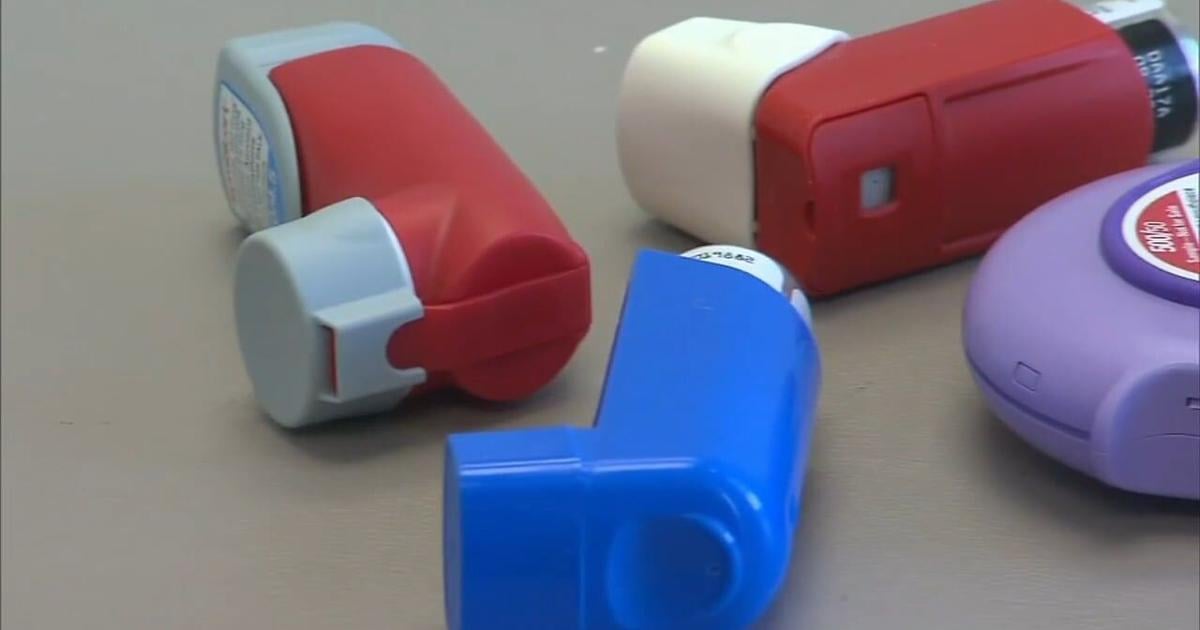
If you’ve been sneezing, wheezing, or reaching for your inhaler lately, there’s a reason.
Allentown just officially reclaimed the crown as the single worst city in America to live with asthma.
The Asthma and Allergy Foundation of America ranks the nation’s 100 largest metro areas on asthma rates, deaths, and Emergency department visits. And Allentown’s sky-high numbers officially put us back at number one.
“Allentown is unfortunately kind of the usual suspect at the top of our asthma capitals list,” Hannah Jaffee says.
Asthma and Allergy Foundation of America research director Hannah Jaffee says the numbers are in, and Allentown is officially back at the top of a list nobody really wants to win for the third time in four years.
“Allentown had the highest rate of ED visits of all the cities that we analyzed,” Jaffee says. “Being in a valley situated between major highways, it can kind of trap all that nasty air pollution and really just make things worse for people with asthma.”
It isn’t just geography or Route 22 traffic.
“Older housing can have poor indoor air quality, more issues with mold and mildew, which can really trigger asthma, and also smoke-free laws. So Allentown in particular does not necessarily have smoke-free laws in restaurants, bars or cars with minors,” Jaffee says.
Timing makes it worse. September kicks off peak asthma season, but Jaffee says they found a twist in this year’s data.
“Historically we’ve thought of September as like asthma peak month and the third week of September as asthma peak week, but we did a little more digging in the data this year, and we found that yes, while these rates start to spike in September, it really continues to increase throughout the winter months,” Jaffee says.
So how do you actually manage living in America’s number one asthma capital?
“Being at number one certainly does not mean doom and gloom for the area. There could be a lot of hope found,” Jaffee says. “These can include things like an asthma action plan so you can track your symptoms and also know when to take your medications. Making sure that your indoor air quality is safe and clean can really make a huge difference.”
Experts say focus on what you can control, update those vaccines, and get a doctor-backed plan before peak season hits full force.
You can read the full report and asthma action plan here.