
With the use of electric scooters and other vehicles on the rise — and with them collisions, injuries and even deaths — Lehigh Valley police chiefs this week called on state legislators to act.
Authorities described the current situation with the scooters as “the Wild West” while their usage is largely unregulated in the state.
“This not just an urban environment issue but transcends boroughs, townships and cities throughout the commonwealth,” Salisbury Township police Chief Donald Sabo said.
Sabo was joined by Allentown police Chief Charles Roca, as well as Scott Bohn, the executive director for the Pennsylvania Chiefs of Police Association, when they spoke to legislators and state officials Tuesday in Allentown during a panel discussion on e-scooter safety.
In Allentown alone, there have been 58 collisions involving e-bikes or scooters, with 40 injuries, Roca said. Additionally, there have been 517 motorbike complaints so far this year, compared with 233 in 2025.
There also have been multiple fatal crashes this year involving e-scooters and e-bikes in the Lehigh Valley as their usage increases statewide.
An electric or motorized scooter is a two-wheeled vehicle powered by an engine or electric motor that does not have a seat or saddle. Under Pennsylvania law, they can’t be used on Pennsylvania roads or sidewalks, but there’s little other regulation.
Becky Bradley, executive director of the Lehigh Valley Planning Commission, where the meeting was held, said micromobility devices such as e-bikes or e-scooters, have “gone from an emerging trend to a core component of the modern transportation system.”
“As new devices from e-bikes to e-scooters and other lightweight electric vehicles enter the market, our planning frameworks must anticipate not only today’s needs, but what we think we can reasonably expect in 10 to even 20 years from now,” she said.
Rep. Tim Kearney D-Delaware County, and Rep. Nick Miller, D-Lehigh and the Senate Democratic Policy Committee chair, held the hearing.
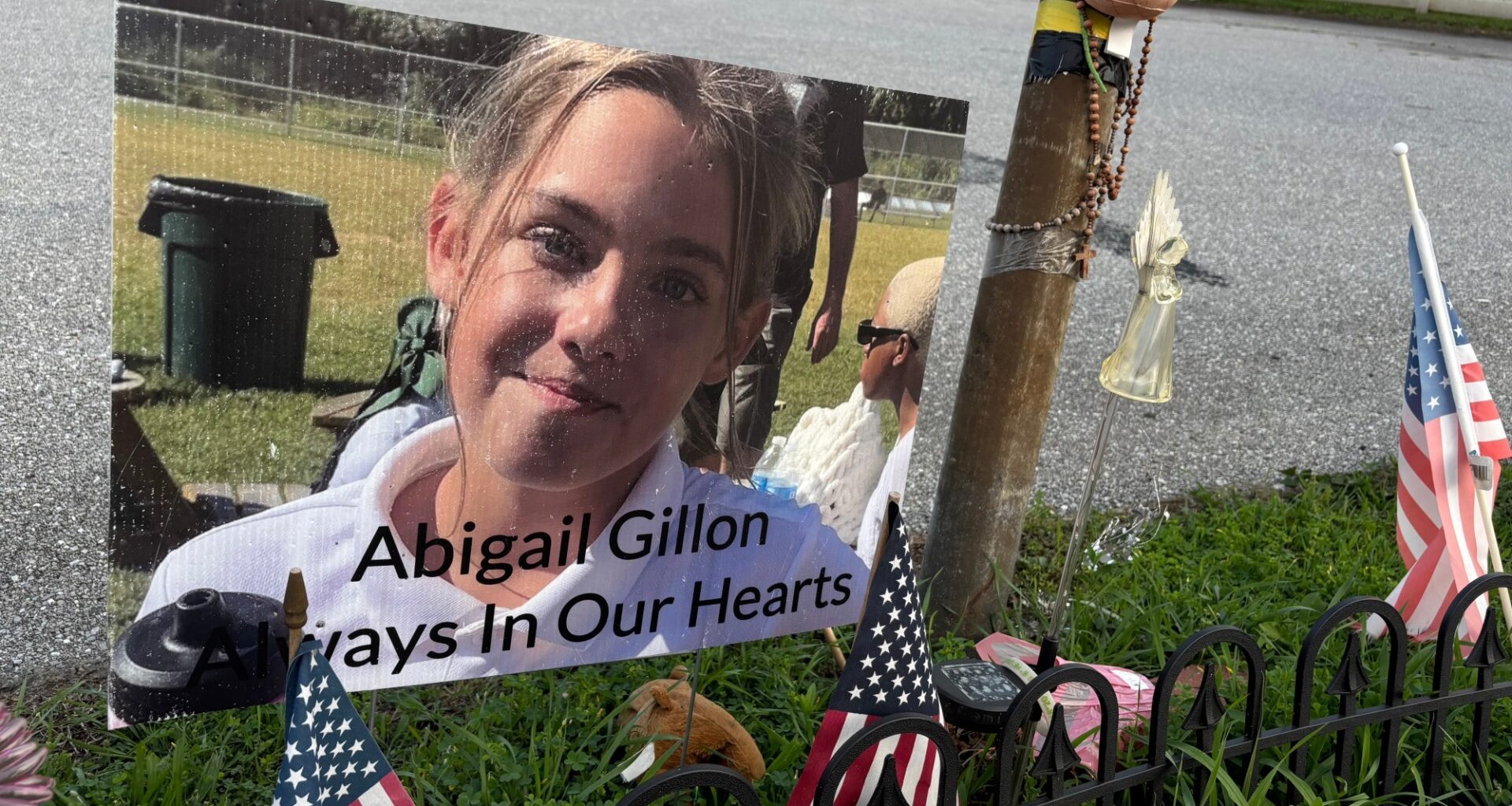
Kearney introduced Abby’s Law last year to help put safeguards in place for e-scooter riders. The bill introduces speed limits, age limits, helmet requirement and a limit of one person per scooter. It was named after Abby Gillon, who died last year in an e-scooter crash in Delaware County. The bill is before the Senate Transportation Committee.
Hank Beaver, special assistant to the deputy secretary for multimodal transportation, said PennDOT also believes there needs to be statewide legal frameworks for e-scooters, but that they should be regulated the same as bikes, and exempt from licensing and registration.
Others called for stricter oversight.
Both Roca and Sabo said the rules for e-vehicles need to be clear so officers can enforce any law and the general public can understand them clearly. They both said education is needed for drivers, police, parents and riders of the devices.
“I think this is a solid starting point, but I feel a clearer path may be needed to regulate, educate and enforce various forms of transportation moving forward into the future with a more comprehensive statewide plan of action,” Sabo said.
Bohn said Abby’s Law is a start, but noted that it does not have licensing, training, identification and accountability that is associated with motor vehicles.
He said officers could have difficulty stopping one, and drivers on the road could face uncertainty with them because of their size and stability. He said the association believes scooters should be prohibited on public roads.
However, if they become legal, the state should mandate things such a minimum operating age, safety training and equipment standards. Parents who allow their children on the scooters should also face consequences, he said. Penalties should also be enough of a deterrent to people riding scooters unsafely, Bohn said.
“Pennsylvania should not legalize first, then try to solve the safety problems later,” he said.