
For Pitt students living on campus, doing a load of laundry now comes with a higher price tag — a $1 per load increase from the previous school year.
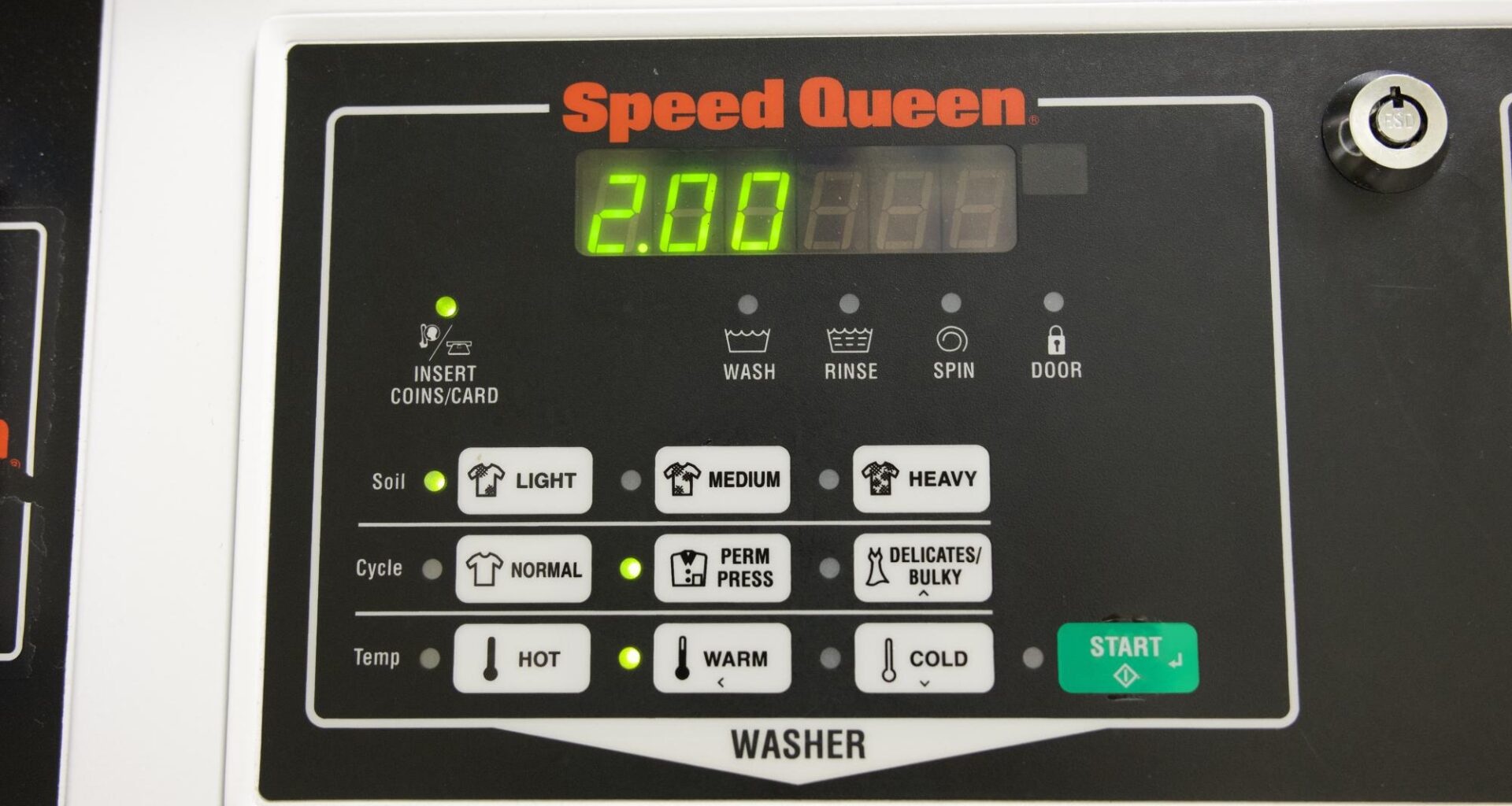
For the 2026-2027 academic year, the cost of washing and drying laundry has increased by $0.50 each from last year on-campus, according to University spokesperson Meredith Herndon. This brings the total cost of a load to $4.00, up from the previous $3.00.
Herndon said the cost increase is due to rising costs associated with maintaining clean, safe and functioning laundry facilities.
“The University has raised the cost of on-campus laundry facilities to students by 50 cents, following increases in water, electricity, and labor costs,” Herndon said.
The increase comes as utility costs in the Pittsburgh area are also rising. Pittsburgh Water has proposed increasing rates by around 33% over the next two years, while Duquesne Light and West Penn Power increased electricity rates by approximately 2.84% and 10.3%, respectively, beginning June 1.
Brett Barker, a sophomore mechanical engineering major, said he believes the prices of laundry are “ridiculous,” since he does laundry at least once a week.
“I have to spend a minimum of $4 a week on just laundry, and if I wanted to separate towels from clothes or darks from whites, I’d have to spend $8,” Barker said.
The increased laundry costs come amid other changes to expenses for Pitt students, including changes to meal plans and tuition for the 2026-2027 academic year.
Caroline Leiter, a sophomore nursing major, said the prices already felt expensive during her first year, making this year’s cost even more of a shock.
“[This] raises prices significantly for me throughout the whole year,” Leiter said.
Corinne Covey, a sophomore chemical engineering major, said the cost is “completely unreasonable,” especially because she has to budget for laundry costs using her limited income. Students can pay for laundry using the CSCPay mobile app or Panther Funds, a prepaid account that can be used for services on and off campus such as laundry.
“I’ve had to budget laundry into my very little income when I believe it should be included as a utility for on-campus housing,” Covey said. “There should be the option for the machines to be coin-operated as well as [by] card. If I’m already scrounging for money to do laundry, I should be able to use my spare change.”
Leiter said she is unhappy with the price increase because she considered the laundry machines at Pitt unreliable to begin with.
“My roommates have had problems where they pay for the laundry and the machine literally just does not work,” Leiter said. “I think that if they are going to increase the price, they also need to increase the quality of the machines themselves.”
Anthony Watkins, a sophomore electrical engineering major who is part of the Pitt marching band, only has one uniform, requiring him to do laundry more frequently than the average student.
“Many times last year, it was more time-efficient, granted still a bit expensive, to just throw them in the wash once or twice a week to have them ready,” Watkins said. “With the price increase, these weekly cycles have just become more of a burden, and I recently have just resorted to asking my roommates to include them in their load, which is inconvenient as our cycles usually aren’t on the same schedule.”
In response to the increased laundry costs, Herndon said the University has expanded its partnership with Generation Conscious, which provides free laundry detergent sheets in on-campus laundry rooms.
Leiter said she does not use the detergent and does not see it as an effective solution to the cost increase.
“I don’t really think this is a decent solution to the price increase because of the fact that there are many reasons as to why someone might not want to use the complimentary detergent,” Leiter said. “I also have never seen the complimentary detergent in my laundry room, so I’m not sure if it’s because someone just has been taking it all for themselves or if there is another reason for that.”
Although Covey did not know the provided laundry detergent existed, she said she would not use it anyway.
“Even if laundry was free, I’d still use my own detergent because I have skin sensitivities,” Covey said.