
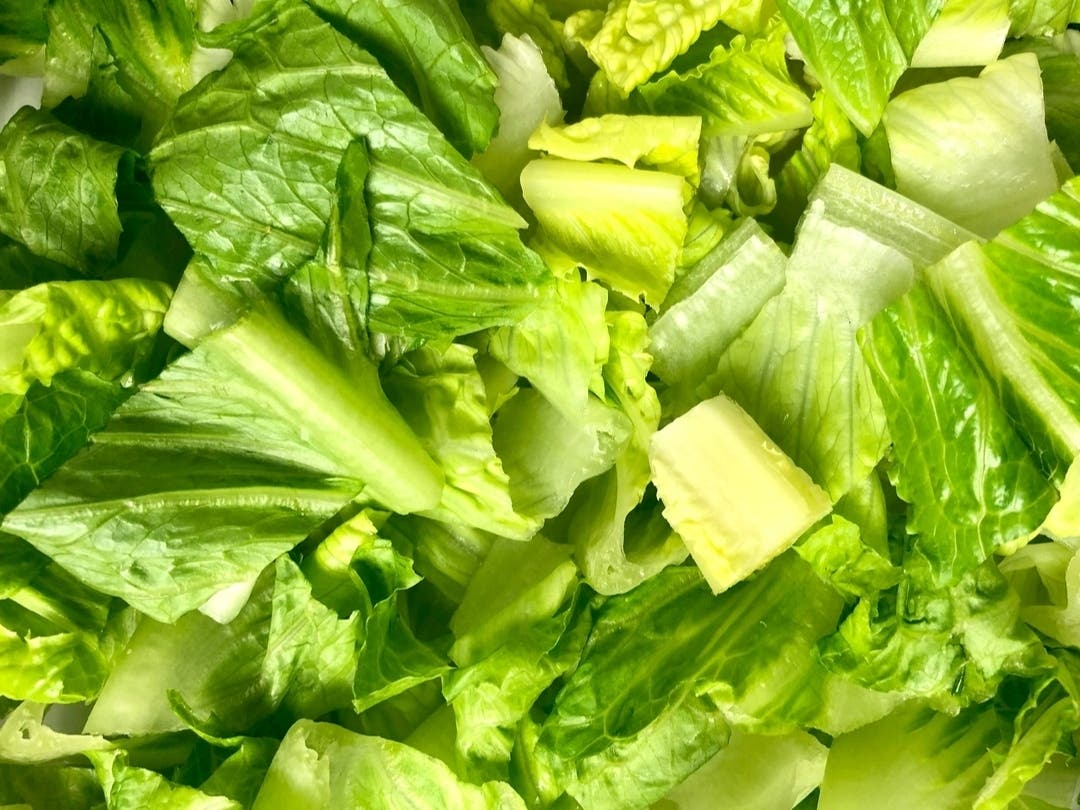
Dr. Colleen Kraft, a professor of infectious diseases at Emory University School of Medicine, told CNN she’s “comfortable with people eating iceberg lettuce that is currently being sold. I would distinguish between the specific recalled product and iceberg lettuce as a category. The implicated lettuce is no longer expected to be on the market. There is always some baseline risk associated with eating raw produce, but there is not currently a recommendation to avoid all iceberg lettuce because of this outbreak.”
How To Wash Produce
Rinsing lettuce and other produce under the faucet may reduce the risk of cyclospora and other foodborne illnesses, but washing alone cannot guarantee that the parasite is gone, federal health officials caution. And there’s a right and wrong way to wash produce.
The FDA recommends discarding the outer two or three layers of leafy greens, then rinsing the remaining leaves thoroughly under clean running water. Do not use soap, bleach or commercial produce washes. Cyclospora can resist chlorine-based sanitizers, and soap or detergent can be absorbed by porous produce and make people sick.
The advice extends well beyond lettuce. Previous U.S. cyclospora outbreaks have been linked to raspberries, cabbage, basil, cilantro, parsley, broccoli, snow peas, sugar snap peas and other leafy greens. The parasite can settle into the folds, crevices and rough surfaces of produce, making it difficult to wash away completely.
The CDC recommends washing hands with soap and water before and after handling raw produce, removing bruised or damaged areas, and rinsing all fruits and vegetables before eating, cutting or cooking them. That includes melons, cucumbers and other produce with peels that will not be eaten because a knife can carry contaminants from the surface into the flesh. Firm produce should be scrubbed with a clean produce brush.