
Sarah White was worried that her students at La Roche University were about to lose their only bus stop.
As Pittsburgh Regional Transit continues its Bus Line Refresh service overhaul, the agency proposed cutting La Roche’s stop on Route 12, stranding 2,100 graduates and undergraduates to travel along a hilly stretch of McKnight Road with no sidewalks to reach a bus.
White, the university’s dean of students and Title IX coordinator, joined with other organizations that use the route, like UPMC and the Sisters of Divine Providence, to push for PRT to reconsider. She pointed out that even though La Roche was in suburban McCandless, many students are not from the area and rely on the bus to commute.
The group’s effort was successful — La Roche will retain bus access in the heart of campus at the intersection of Babcock Boulevard and Duncan Avenue. Buses will continue to serve the stop every 60 minutes.
La Roche also stands to gain another route, the 9, which will connect the nearby McCandless Park-And-Ride to Oakland and provide students access to the neighborhood’s museums and cultural amenities.
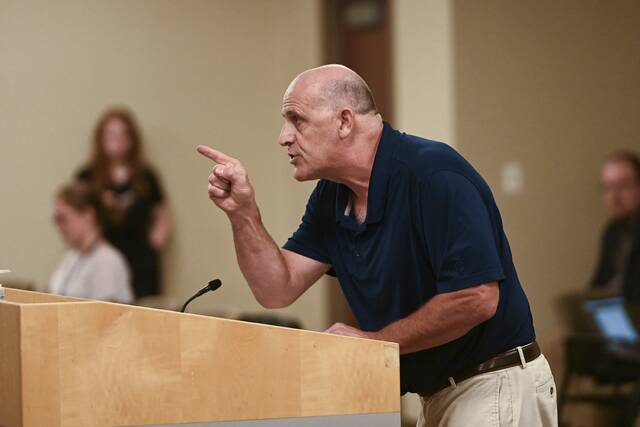
White spoke at PRT’s second Downtown hearing for the Refresh to thank the board for preserving and expanding La Roche’s transit access.
“We really wanted to get the word out that we’re here and we need this… we’re excited and really pleased that we were heard,” she said.
PRT’s most recent version of the Bus Line Refresh will cut 20 routes — most of them with low passenger volumes — and introduce 14 new routes.
The agency’s full plan is available on its website, along with a comment form open until Sept. 30. PRT’s board expects to vote on the changes in November and implement them in the second half of 2027.
In addition to the in-person hearings, PRT has fielded more than 16,000 online comments regarding the Refresh, but remarked on its project page that “demand for transit in our region exceeds the funding, staffing, and operational capacity we’re able to provide.”
The agency narrowly avoided cutting more than 35% of its service last year by plugging its $100 million budget deficit with state capital funds. PRT CEO Katharine Kelleman said at the time that even that drastic measure was only a “band-aid fix.”
A dozen speakers took to the podium Thursday morning during the first session of the hearing, many pushing the board to modify the service changes like White was able to.
Uptown resident Alisa Grishman, a wheelchair user, spoke broadly about how PRT’s plan to prioritize shorter routes with more transfers would make it more difficult for her to travel. She said she already regularly deals with inconveniences such as drivers waiting for passengers to board before lowering the ramp for her and some accessible seats not functioning properly.
“As bad as it is now, imagine these little delays accumulating and bogging down the entire system once there are twice as many transfers,” she said.
Commuter Sean Duzek said that Downtown routes were already often late and inconvenient as they stood, and he was considering abandoning the buses altogether for his car if the proposed transfer routes went into effect.
“I don’t know that I can take two hours out of my day just to wait for a transfer if I miss the first one,” he said. “It’s bad enough whenever I’m waiting for one of the high-frequency 61 or 71 buses, and it takes half an hour, even if they’re supposed to be there every 15 minutes.”
Organizing for change
Several of Thursday’s speakers were members of Pittsburghers for Public Transit, a grassroots advocacy group pushing for sustainable transit funding and access.
The group’s digital organizing director, Dan Yablonsky, led a canvassing session Downtown before the hearings, spreading awareness to riders and encouraging them to testify.
Yablonsky said PRT’s current refresh plan is a “huge improvement” across the board over previous iterations.
Pittsburghers for Public Transit’s more than 500 dues-paying members helped lobby for bus frequencies increasing in some areas, restored route connections, and even a simplified naming system that a member who used to work for PRT as a service planner suggested, Yablonsky said.
But he remained concerned that many communities would be worse off as things stood. The group’s analysis found that places like Reserve Township, Allegheny Commons and Kane Hospital on McKnight Road will lose all access to service, while parts of Manchester and the Hill District were among the neighborhoods losing most of their access.
Route changes adding transfers in the past have hurt PRT’s ridership, Yablonsky said, adding that the drop-off may continue if the proposed Refresh changes went into effect.
Yablonsky admitted that trying to explain the massive and constantly evolving list of changes to riders was like asking them to drink from a fire hose. A lack of state funding also hamstrung PRT ability to create an optimal service plan for as many riders as possible, he said.
“Perhaps the biggest thing that we are harping on right now is that a redesign should not be managing the decline of a transit system,” Yablonsky said. “What we need is our politicians to really stand up and pass a dedicated and expanded funding plan for transit.”